- Mobility Scooters
-
- Furniture
-
-
Riser Recliners
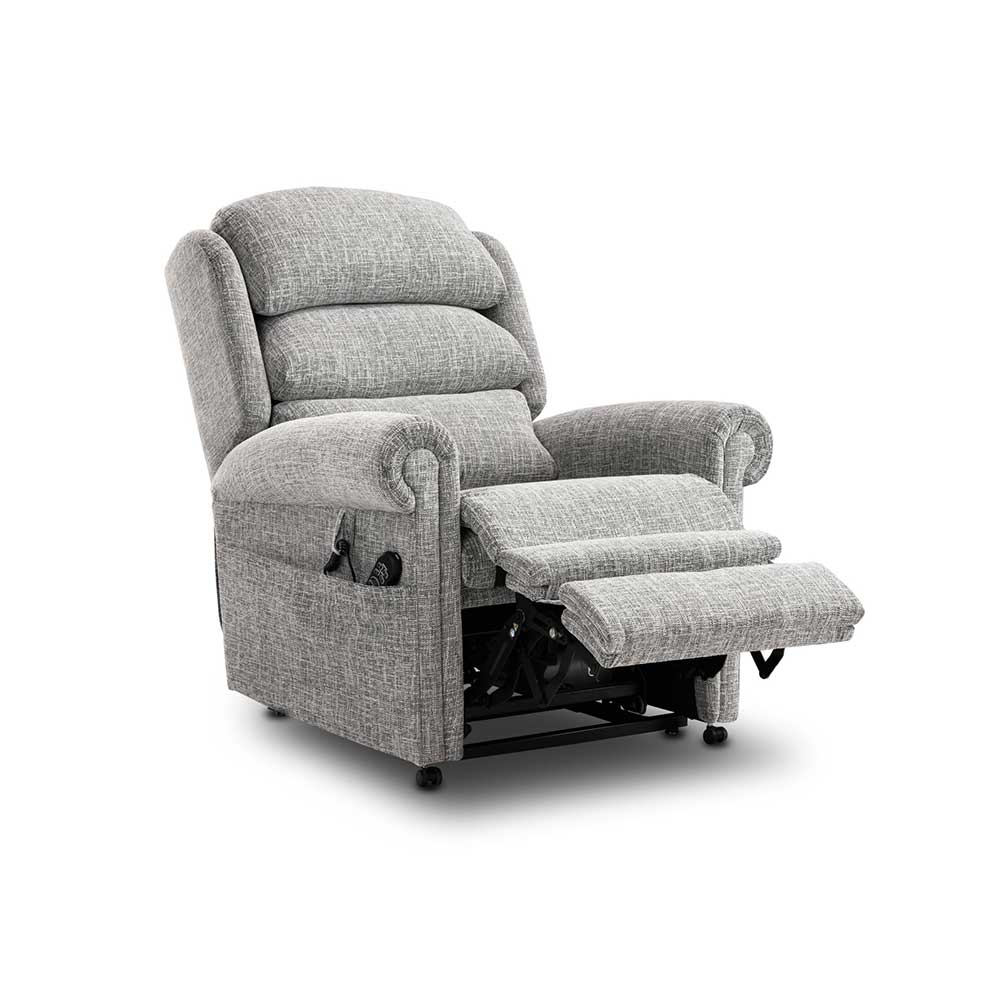
-
Fireside Chairs
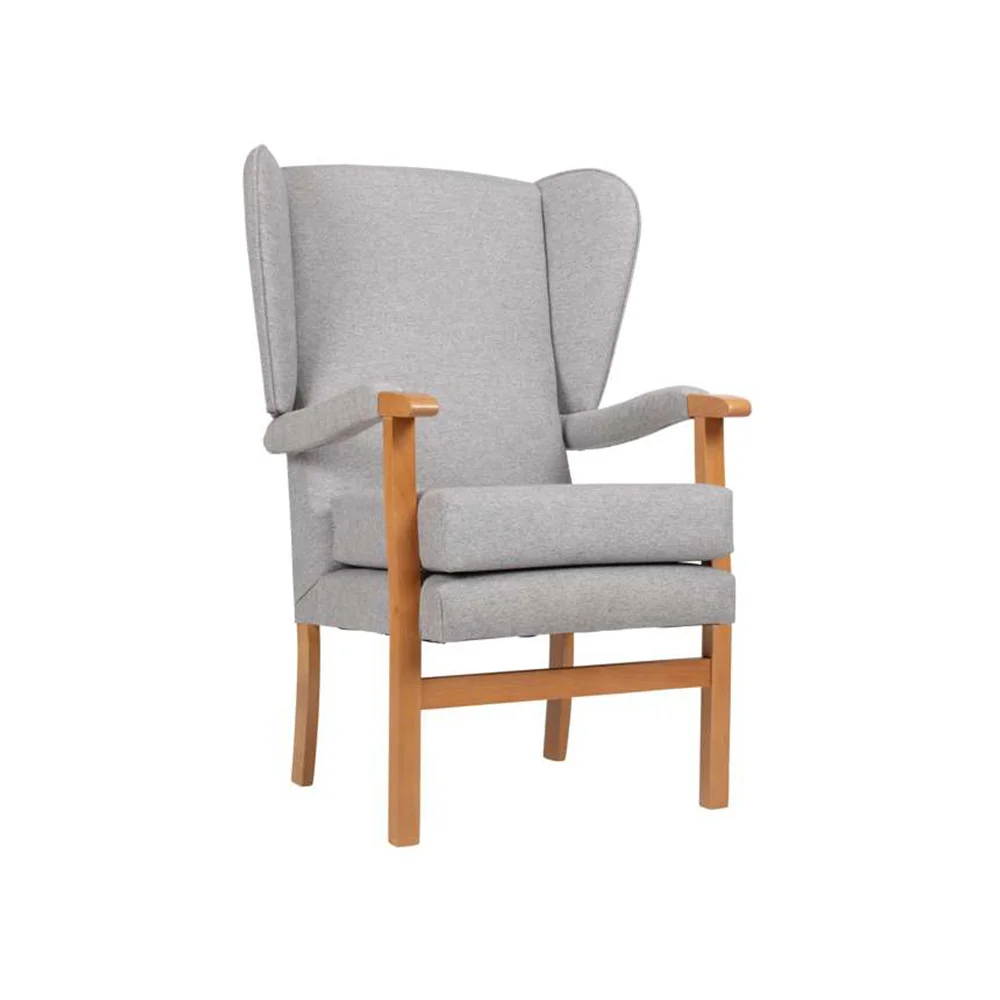
-
Adjustable Beds
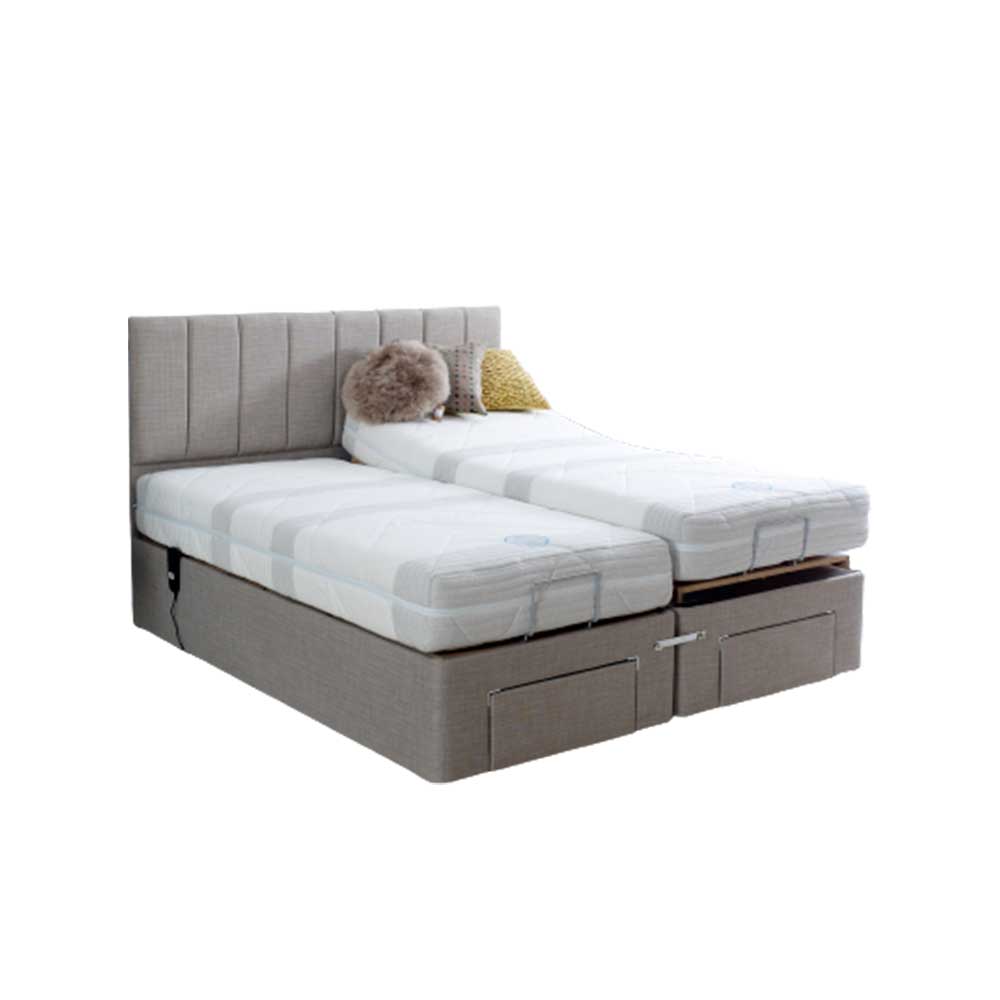
-
Mattresses
-
-
- Stairlifts
-

Showing all 14 results
Lightweight Transit Wheelchairs
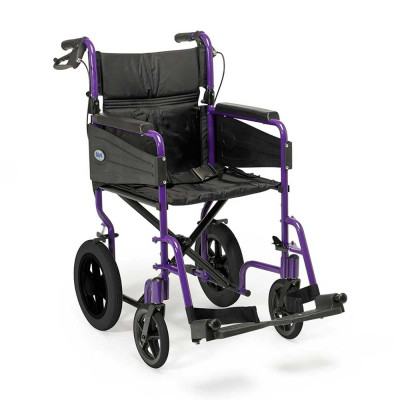
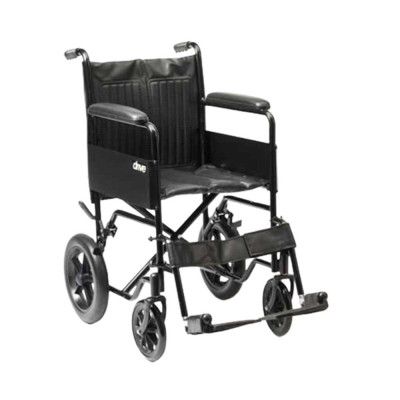
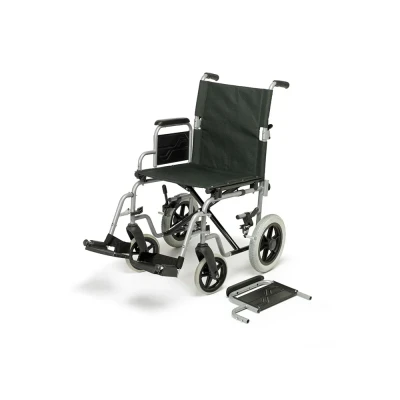
Lightweight transit wheelchairs are designed to be pushed by a family member, friend or carer while remaining easier to fold, lift and transport than many larger wheelchair models. This range includes compact attendant-propelled wheelchairs for appointments, shopping trips, travel and everyday outings, with options across different seat widths, frame weights and support features.
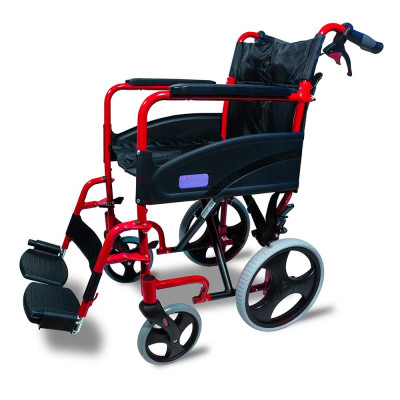
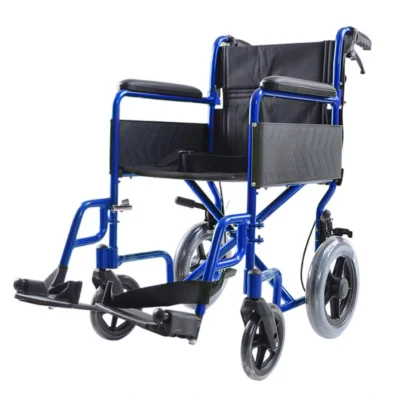
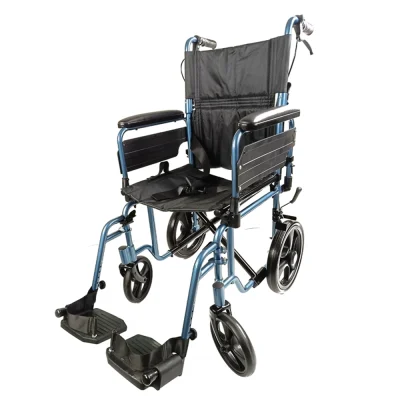
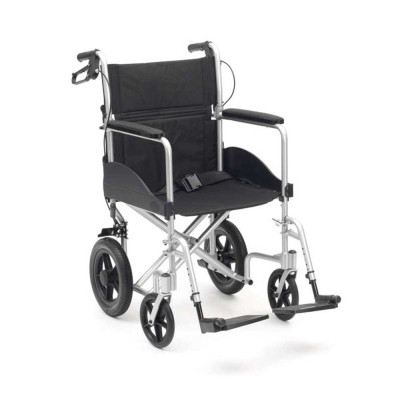
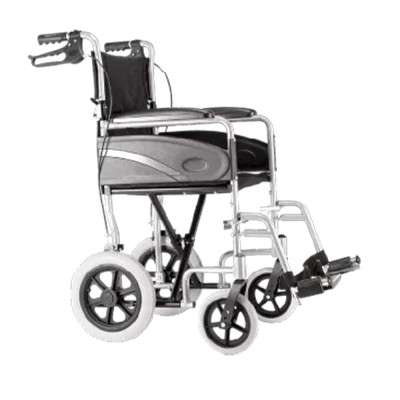
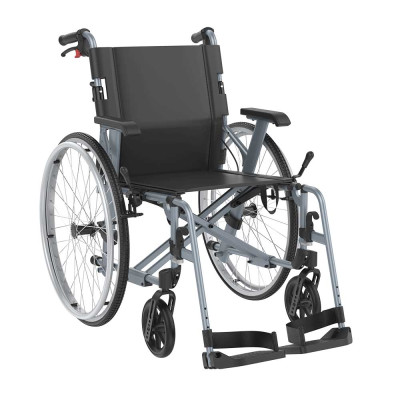
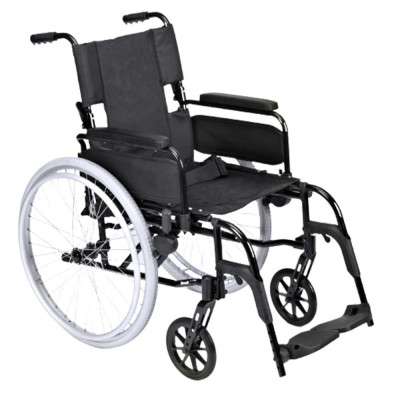
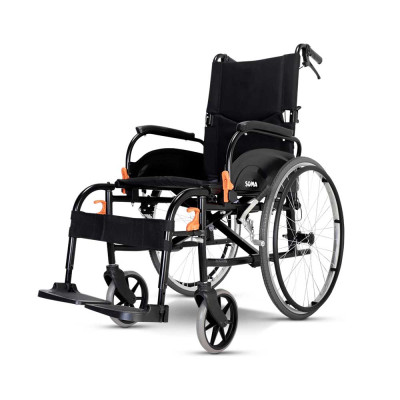
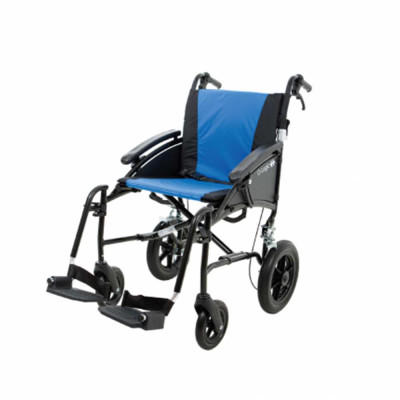
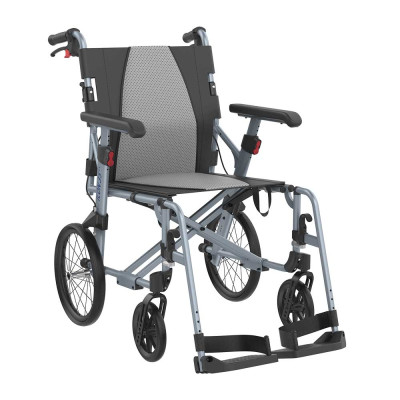
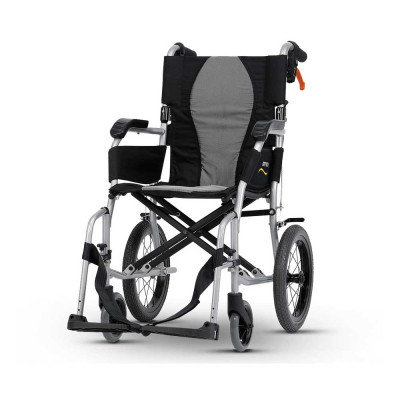
Transit Wheelchairs for Assisted Everyday Mobility
A transit wheelchair is designed primarily for attendant-assisted use. Instead of large rear wheels with hand rims, it normally has smaller rear wheels and handles that allow a family member, friend or carer to push and steer the chair.
Transit wheelchairs are commonly chosen for appointments, shopping trips, holidays, days out and occasional mobility support where the user does not need to propel the chair independently.
A transit wheelchair may be suitable if:
- The user will normally be pushed by another person
- The chair needs to fold for storage or transport
- A lightweight wheelchair is needed for regular car journeys
- The wheelchair will mainly be used for appointments or outings
- Compact handling matters more than independent propulsion
- The user needs a practical chair for occasional or assisted use
What Is a Transit Wheelchair?
A transit wheelchair is a manual wheelchair with smaller rear wheels that is controlled by an attendant rather than propelled by the seated user.
Most transit chairs include push handles, parking brakes and folding frames. Many also include removable or swing-away footrests, padded armrests and attendant-operated braking controls.
The smaller rear wheels can make the chair more compact and easier to lift than a comparable self-propelled wheelchair, although the exact weight varies considerably between models.
Transit Wheelchair vs Self-Propelled Wheelchair
The main difference is who moves the wheelchair.
- Transit wheelchairs are designed to be pushed and controlled by another person
- Self-propelled wheelchairs have large rear wheels with push rims, allowing the user to propel themselves where suitable
A self-propelled wheelchair may still have push handles for assisted use, but it is usually larger and heavier because of the bigger rear wheels.
A transit wheelchair may be the better option when portability and attendant control are the priorities. A self-propelled model may be more appropriate when the user wants greater independence and has the strength and movement required to operate the chair safely.
Lightweight Transit Wheelchairs
A lightweight transit wheelchair can make loading, unloading and day-to-day handling easier for the person assisting the user.
However, “lightweight” can describe a wide range of chair weights, so compare the actual product specification rather than relying only on the name.
Before choosing, check:
- Total wheelchair weight
- Weight after removable footrests or cushions are taken off
- Folded dimensions
- Whether the chair can be lifted by the person who will transport it
- Maximum user weight
- Frame strength and intended usage
A very light wheelchair may be easier to transport, but it must still provide the correct seat size, stability and support for the user.
Folding Transit Wheelchairs for Travel
Most transit wheelchairs fold through the centre of the frame, reducing their width for storage and transport.
Some models also include removable footrests, folding backrests or quick-release components to reduce the packed size further.
A folding transit wheelchair can be useful for:
- Car journeys
- Appointments and hospital visits
- Shopping trips
- Days out
- Hotels and holidays
- Homes with limited storage space
Check the complete folded dimensions before buying, particularly where the chair must fit into a smaller car boot.
Will a Transit Wheelchair Fit in a Car Boot?
Many lightweight transit chairs are suitable for car transport, but fit depends on both the wheelchair and the vehicle.
Check:
- Wheelchair folded width
- Folded height and length
- Boot opening width and height
- Available boot depth
- Whether the rear seats need to remain in use
- Weight of the chair for lifting
- Whether footrests must be removed
A wheelchair may fit inside the boot but still be difficult to load if the boot lip is high or the person lifting it has limited strength.
Where lifting remains difficult, it may be worth considering a lighter wheelchair, a suitable car boot hoist or another vehicle-loading solution.
Choosing the Correct Seat Width
Seat width affects comfort, posture and the overall width of the wheelchair.
A seat that is too narrow can feel restrictive and create pressure around the hips. A seat that is too wide may reduce support and make the chair unnecessarily difficult to manoeuvre through doorways.
When comparing seat sizes, consider:
- User hip width
- Clothing and outerwear
- Required clearance at either side
- Use of a wheelchair cushion
- Overall chair width
- Doorway and indoor access requirements
Modern Mobility also provides wheelchair selections by width, including 16-inch narrow wheelchairs, 18-inch standard wheelchairs and 20-inch wide wheelchairs.
Transit Wheelchair Brakes
Transit wheelchairs can include different braking systems.
- Parking brakes secure the wheelchair while stationary
- Attendant brakes allow the person pushing the chair to slow or control it from the handles
Attendant-operated brakes can be particularly useful on slopes, uneven ground or during regular outdoor use.
Brakes should be easy for the attendant to reach and operate. They should be checked regularly and must not be relied on to make an unsuitable slope safe.
Footrests and Armrests
Footrests support the user’s feet and lower legs while seated. Many transit wheelchairs include swing-away or removable footrests to make transfers and storage easier.
Check whether the chair includes:
- Height-adjustable footplates
- Swing-away footrests
- Removable footrests
- Heel straps
- Fixed or removable armrests
- Desk-length or full-length arm supports
The user’s feet should remain supported without dragging on the floor or being positioned too high.
Comfort During Longer Journeys
Transit wheelchairs are often bought for occasional journeys, but comfort still matters.
Consider:
- Seat width and depth
- Backrest height
- Armrest position
- Footrest adjustment
- Suspension or tyre type
- Whether a suitable wheelchair cushion is required
- How long the user is likely to remain seated
A basic transit wheelchair may be appropriate for short appointments but less suitable for someone who spends several hours seated or needs more advanced posture and pressure support.
Indoor and Outdoor Use
Transit wheelchairs can be used indoors and outdoors, but wheel size, tyre type and frame design affect how they handle different surfaces.
Small rear wheels are useful for compactness, but they may provide a firmer ride over rough paving, gravel or uneven surfaces.
For regular outdoor use, compare:
- Rear and front wheel size
- Attendant braking
- Tyre type
- Frame stability
- Ground clearance
- Overall chair weight
Transit wheelchairs should be used carefully on slopes, kerbs and uneven ground. The attendant must remain in control and follow the wheelchair manufacturer’s guidance.
Transit Wheelchairs for Occasional or Regular Use
Some transit wheelchairs are designed mainly for occasional outings, while others offer stronger frames, more support and features suited to regular use.
- Occasional-use chairs often prioritise light weight, folding and compact transport
- Regular-use transit chairs may provide more supportive seating, stronger construction and additional adjustment
Choose according to the real routine rather than assuming every lightweight transit chair is suitable for continuous daily seating.
Crash-Tested Transit Wheelchairs
Some transit wheelchairs are crash tested for use as a forward-facing seat in an appropriately adapted vehicle with an approved wheelchair restraint and occupant restraint system.
A crash-tested wheelchair is not automatically suitable for every vehicle or transport arrangement.
Before using a wheelchair as a vehicle seat, confirm:
- The exact wheelchair model has been crash tested
- The transport system is compatible
- Approved wheelchair tie-down points are used
- An appropriate occupant restraint is fitted
- The wheelchair is positioned according to the instructions
- Any removable accessories are handled correctly
Where possible, transferring to a vehicle seat may offer better protection. Specialist transport advice should be followed.
Transit Wheelchair or Travel Wheelchair?
The terms overlap, but a travel wheelchair normally places particular emphasis on low weight, compact folding and short assisted journeys.
A transit wheelchair may include compact travel models as well as more substantial attendant-propelled chairs designed for regular use.
When comparing the two, focus on chair weight, folded size, seat comfort, user weight capacity and how frequently the chair will be used.
Popular Transit Wheelchair Brands
Modern Mobility stocks transit wheelchair options from recognised brands including:
Available products include lightweight folding chairs, compact travel models, crash-tested wheelchairs and transit versions of more configurable wheelchair ranges.
What to Check Before Buying a Transit Wheelchair
Before ordering, compare:
- Seat width and depth
- Maximum user weight
- Total chair weight
- Folded dimensions
- Attendant brake setup
- Footrest and armrest design
- Indoor and outdoor suitability
- Wheel and tyre size
- Whether a cushion is required
- Whether crash testing is relevant
- How often the wheelchair will be used
If possible, it is worth trying a wheelchair before buying. The user should feel adequately supported, while the attendant should be comfortable pushing, braking, folding and lifting the chair.
Compare Transit Wheelchairs at Modern Mobility
Modern Mobility can help you compare transit wheelchairs based on chair weight, seat width, folding size, car transport, braking and everyday use.
Selected wheelchairs may be available to view or try in store, depending on location and current availability.
You may also find it useful to browse the main wheelchairs range, self-propelled wheelchairs, travel wheelchairs, active wheelchairs, wheelchair accessories and wheelchair cushions.
Transit Wheelchair FAQs
Transit wheelchairs are designed for attendant-assisted mobility, with different models available for occasional travel and more regular use.
What is a transit wheelchair?
A transit wheelchair is a manual wheelchair with smaller rear wheels that is designed to be pushed and controlled by another person.
Can a transit wheelchair be self-propelled?
Usually not. Transit chairs do not normally have the large rear wheels and push rims required for practical self-propulsion.
What is the difference between a transit and self-propelled wheelchair?
A transit wheelchair is pushed by an attendant. A self-propelled wheelchair has larger rear wheels that allow the seated user to propel themselves where suitable.
Are transit wheelchairs lightweight?
Many are relatively lightweight and designed for transport, but the exact chair weight varies by model.
Do transit wheelchairs fold?
Most transit wheelchairs fold for storage and car transport. Some also have folding backrests and removable footrests.
Will a transit wheelchair fit in a car boot?
Many will, but you should compare the folded chair dimensions with the vehicle’s boot opening and internal space.
What is the best transit wheelchair?
The best option depends on the user’s seat size, weight, comfort needs and how easily the attendant can push, fold and transport the chair.
Do transit wheelchairs have brakes?
Yes. Most include parking brakes, while many also have attendant-operated brakes on the push handles.
Can transit wheelchairs be used outdoors?
Yes, although suitability for rougher surfaces depends on wheel size, tyre type, braking and frame design.
Can a transit wheelchair be used as a seat in a vehicle?
Only selected crash-tested models may be used with an approved wheelchair and occupant restraint system in a suitable vehicle.
Are transit wheelchairs suitable for everyday use?
Some are, but lightweight travel-focused models may not provide enough support for prolonged daily seating. Check the model’s intended use and seating features.
Can Modern Mobility help me choose a transit wheelchair?
Yes. Contact Modern Mobility for help comparing seat width, chair weight, folding dimensions, attendant brakes and available models.