- Mobility Scooters
-
- Furniture
-
-
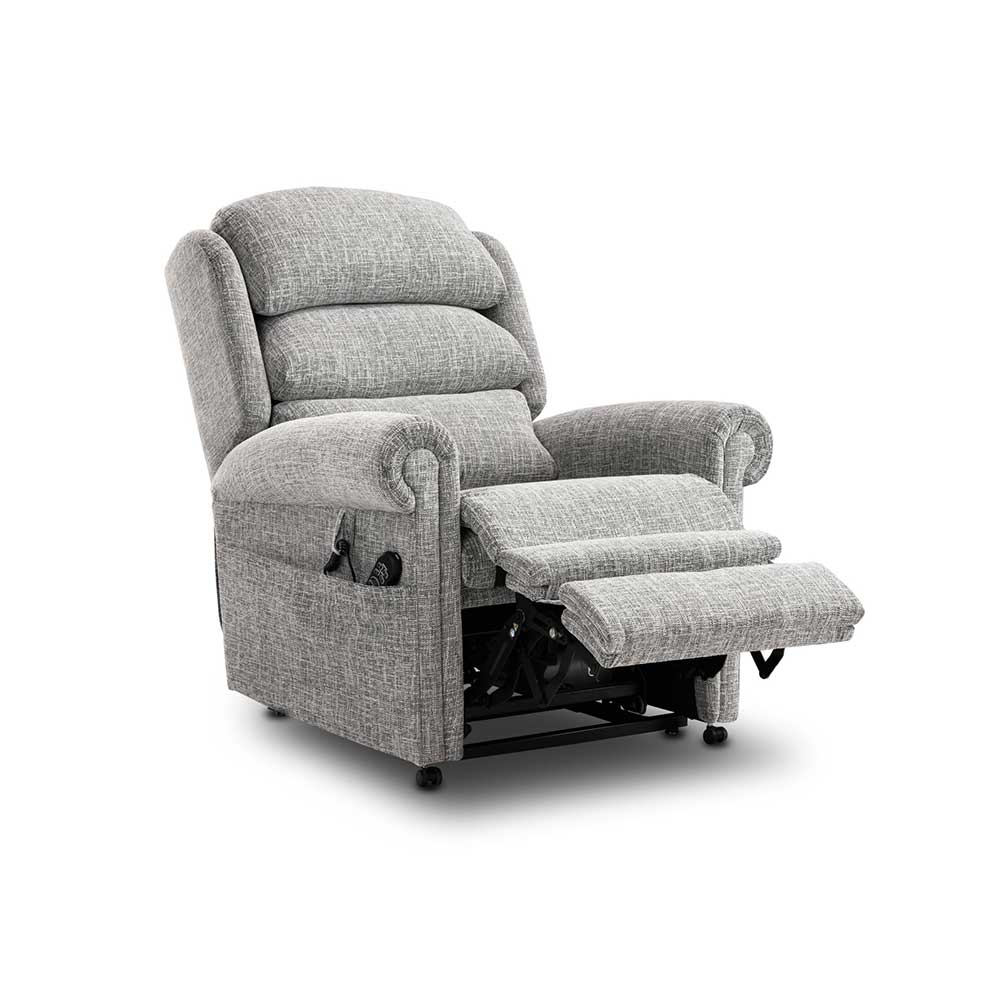
Riser Recliners
-
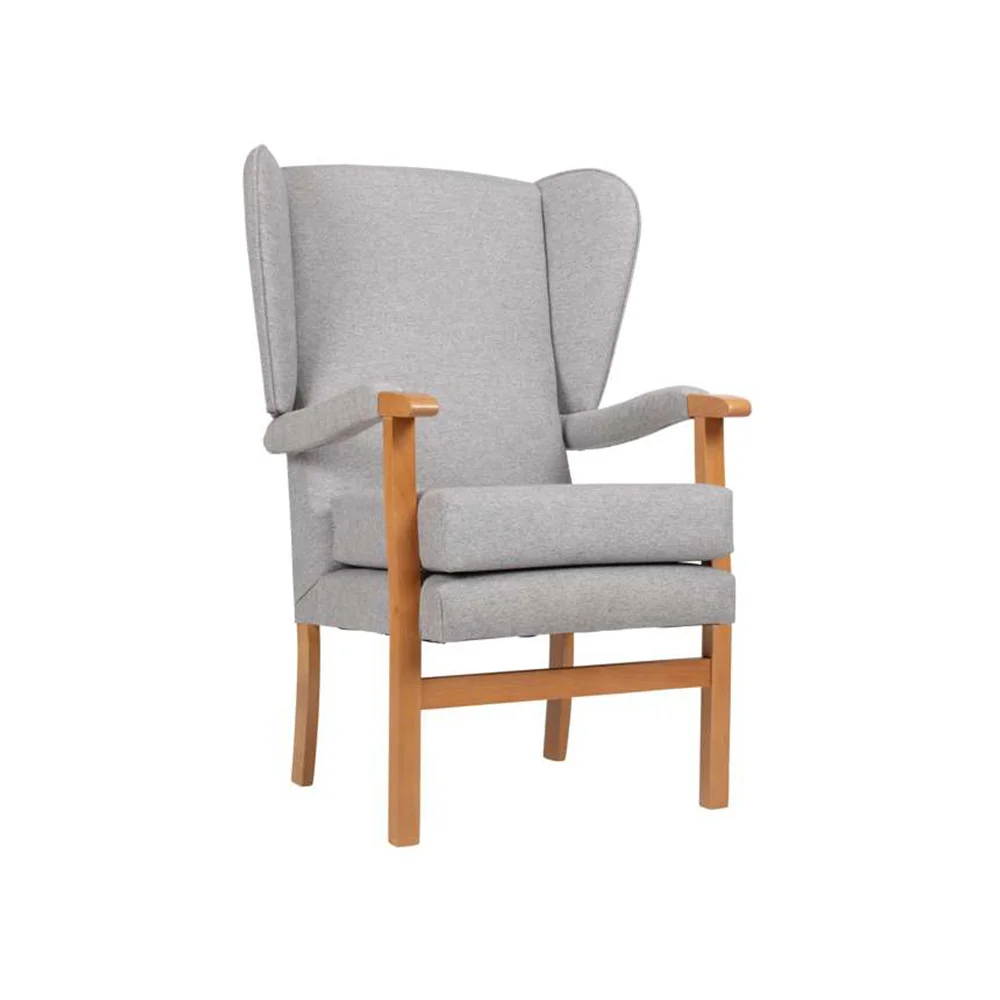
Fireside Chairs
-
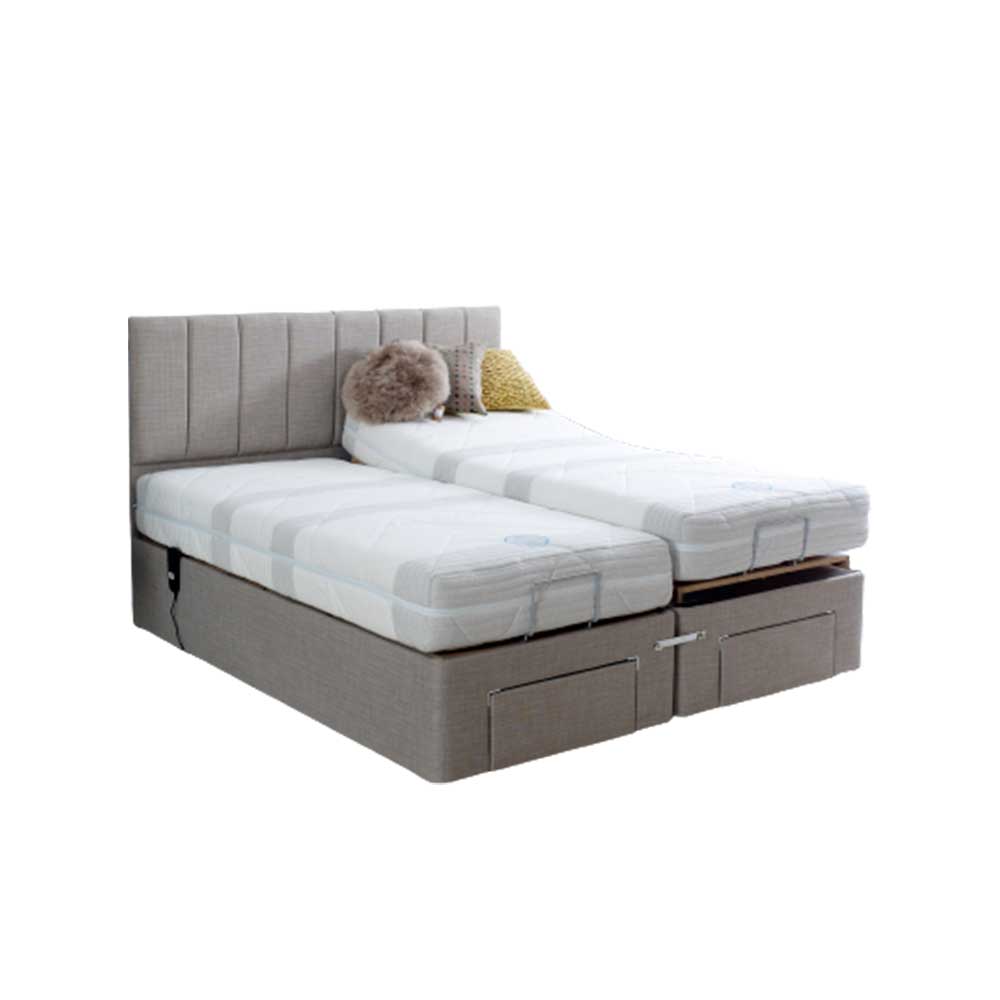
Adjustable Beds
-
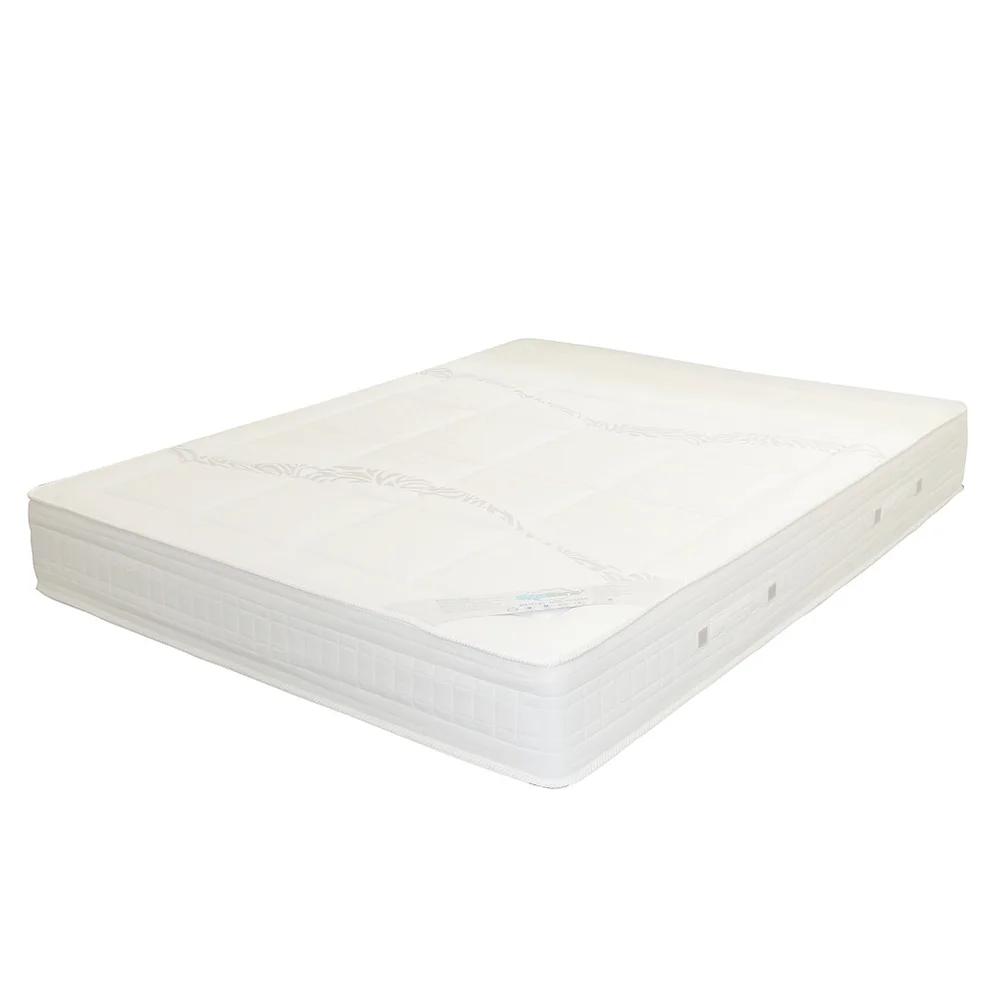
Mattresses
-
-
- Stairlifts
-


Showing all 4 results
Powerchair & Wheelchair Controllers
Powerchair and electric wheelchair controllers manage steering, speed and everyday operation of compatible powered chairs. This specialist range includes Quantum Q-Logic, VR2 and NE+ controllers and joysticks for selected powerchairs, with compatibility checks and expert advice available before ordering.
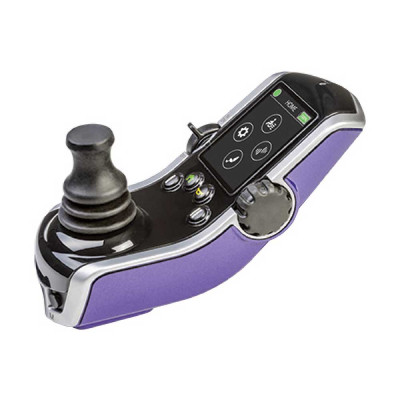
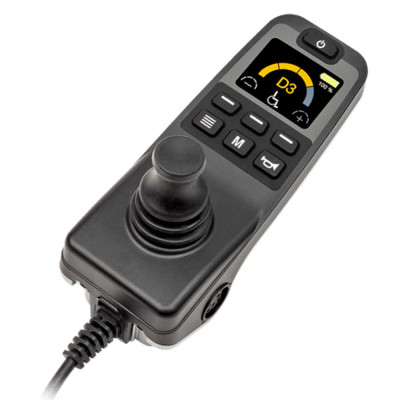
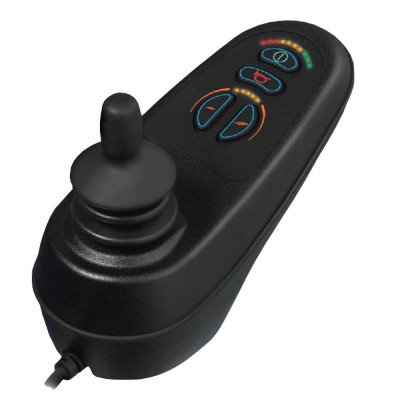
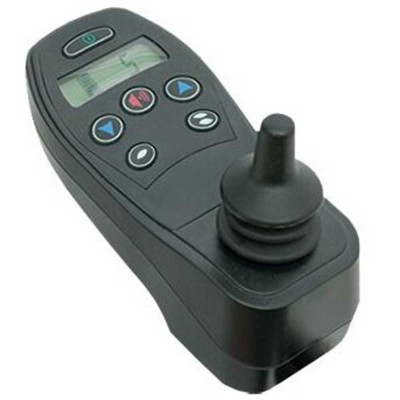
Powerchair Controllers and Wheelchair Joysticks
Powerchair controllers and joysticks are specialist electrical components that control how a powered wheelchair moves, steers and responds. Because these parts are connected to the wider chair control system, choosing the correct replacement is essential.
This range currently focuses on Quantum control systems, including Q-Logic 3, Q-Logic 3e, VR2 and NE+ controllers and joystick units.
Available controller types may include:
- Quantum Q-Logic powerchair controllers
- Quantum Q-Logic joystick modules
- Quantum VR2 controllers and joysticks
- Quantum NE+ control systems
- Replacement powerchair joystick units
- Compatible electric wheelchair controller components
Controller, Joystick or Complete Control System?
The terms controller and joystick are sometimes used interchangeably, but they may refer to different parts of the system.
- Joystick module – the part operated by the user to control direction and speed
- Controller – the electronic unit that processes commands and communicates with the chair
- Control system – the wider combination of joystick, controller, wiring and programmed chair settings
A visible joystick fault does not always mean the joystick itself needs replacing. Problems may also be caused by wiring, batteries, connectors, motors, programming or another part of the electrical system.
Quantum Q-Logic, VR2 and NE+ Controllers
Quantum powerchairs may use different controller systems depending on the chair model, seating configuration and original specification.
The current range includes selected Quantum Q-Logic 3, Q-Logic 3e, VR2 and NE+ controller products. These systems are not automatically interchangeable, even when the components appear similar.
Before purchasing, check the exact powerchair model, existing controller label, connector type and current control system. Where possible, provide the chair serial number and photographs of the existing controller when asking for advice.
Check Compatibility Before Ordering
Powerchair controllers are highly model-specific. Ordering the wrong unit could mean the part cannot connect, communicate with the chair or operate correctly without additional programming.
Before ordering, check:
- The powerchair make and exact model
- The chair serial number
- The controller system currently installed
- The part number shown on the existing unit
- Whether the joystick or main controller has failed
- Connector type and wiring compatibility
- Whether programming or calibration will be required
If you are uncertain, contact Modern Mobility before ordering. The team may be able to help identify the correct Quantum controller or advise whether the chair should be inspected first.
Signs of a Powerchair Controller Fault
A controller or joystick problem can present in several ways, but the same symptoms can also be caused by other electrical faults.
Possible warning signs include:
- The powerchair does not respond to joystick movement
- The chair moves intermittently or unpredictably
- Fault lights or error codes appear on the controller
- The joystick does not return smoothly to its centre position
- Speed or direction control feels inconsistent
- The controller powers on but the chair will not drive
Stop using the chair if it is moving unpredictably or appears unsafe. A diagnostic check can help confirm whether the controller, joystick, battery, wiring or another component is causing the issue.
Programming and Fitting Powerchair Controllers
Some replacement controllers may need programming, pairing or calibration before the powerchair operates correctly. Settings can affect speed, acceleration, braking, steering response and compatibility with powered seating functions.
For this reason, replacing a controller is not always a simple plug-in repair. Specialist fitting may be particularly important for complex powerchairs or chairs with advanced seating controls.
Modern Mobility can assist with powerchair servicing and repairs and may be able to diagnose the fault, identify the correct part and advise on fitting or programming requirements.
You may also find it useful to browse powerchairs, complex powerchairs, powerchair accessories, wheelchair accessories or service and repairs.
Powerchair Controller FAQs
Powerchair controllers and joysticks are specialist parts, so compatibility should always be confirmed before ordering.
Are powerchair controllers universal?
No. Most powerchair controllers are designed for specific chair models, control systems and connector types.
What does a powerchair joystick do?
The joystick allows the user to control direction and speed. It sends commands through the control system to the motors and other powered functions.
What is the difference between a powerchair controller and joystick?
The joystick is the user-operated control interface. The controller processes those commands and communicates with the wider powerchair electrical system.
Can I replace a powerchair controller myself?
Some parts may be physically straightforward to fit, but controllers can require programming, calibration or fault diagnosis. Specialist fitting is often the safer option.
How do I know which wheelchair controller I need?
Check the chair make, model, serial number, existing controller type and part number. Contact Modern Mobility if you are uncertain.
What are Quantum Q-Logic controllers?
Q-Logic is a Quantum powerchair control system used on selected chairs. Different Q-Logic generations and components may not be interchangeable.
Can a faulty joystick stop an electric wheelchair from moving?
Yes, but similar symptoms may also be caused by batteries, wiring, connectors, motors or programming faults. Diagnosis is recommended before ordering a replacement.
Do replacement powerchair controllers need programming?
Some do. Programming may be needed to match the chair, user settings, motor configuration and powered seating functions.
Can Modern Mobility diagnose a controller fault?
Modern Mobility may be able to inspect the powerchair, identify the likely fault and advise on compatible replacement parts through its service and repair support.