- Mobility Scooters
-
- Furniture
-
-
Riser Recliners
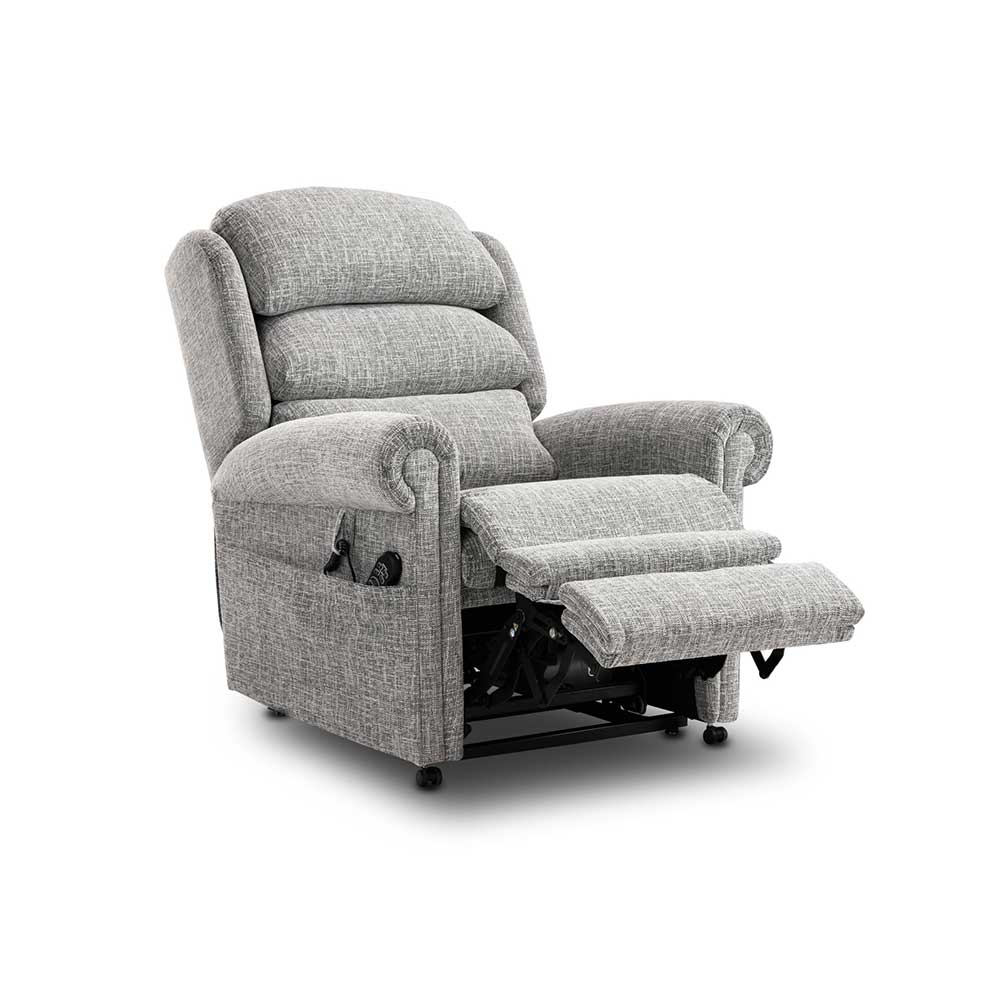
-
Fireside Chairs
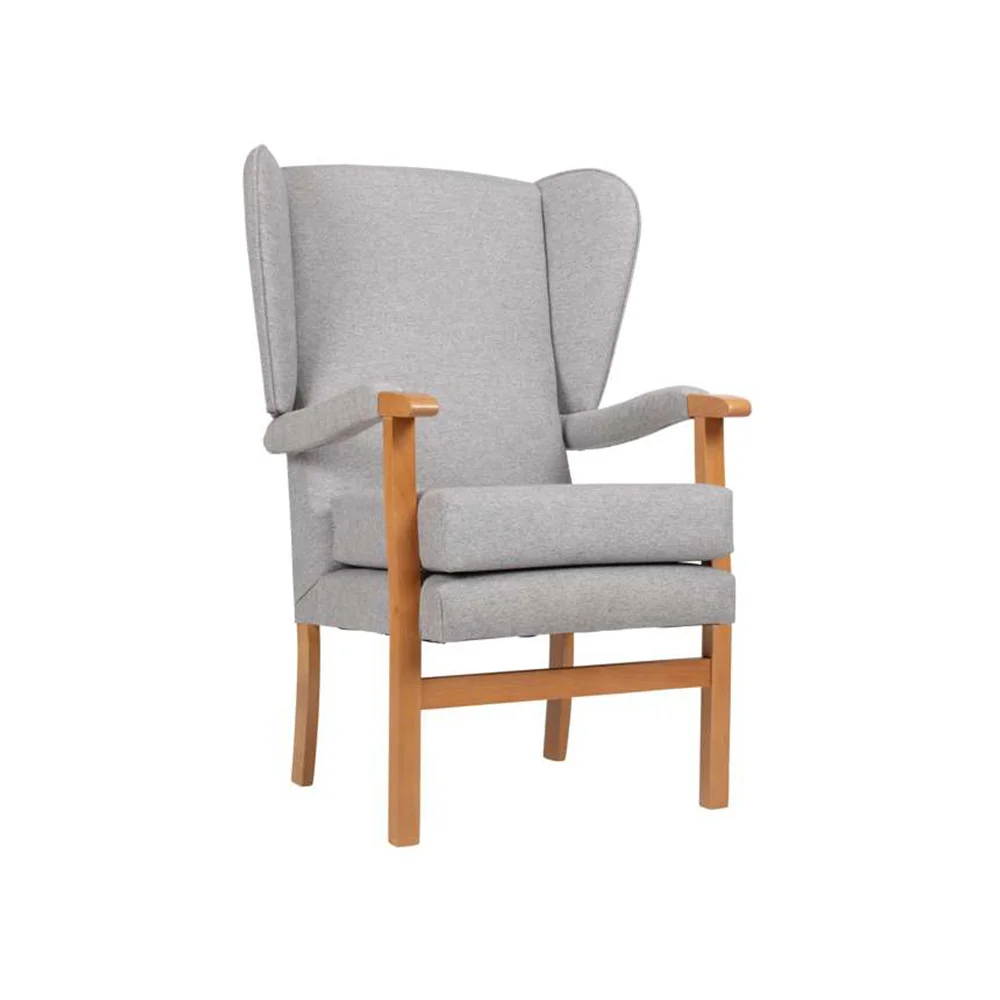
-
Adjustable Beds
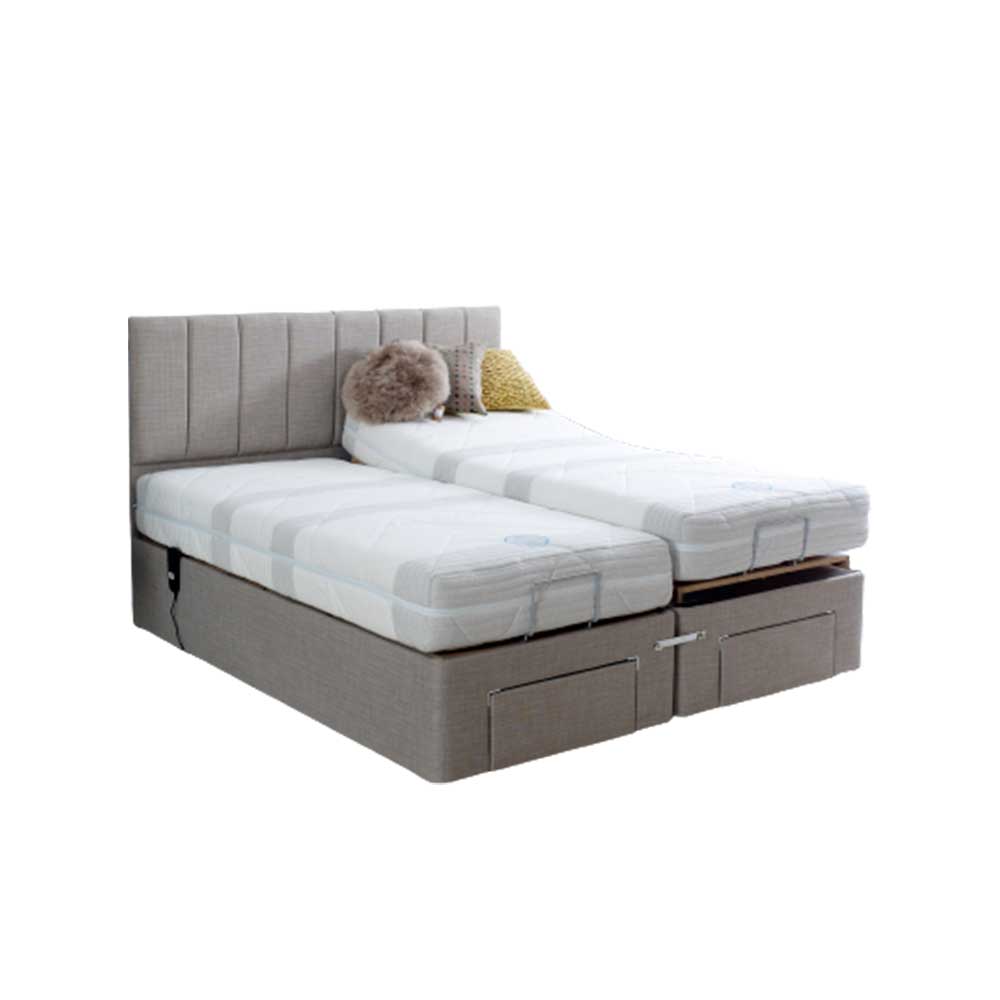
-
Mattresses
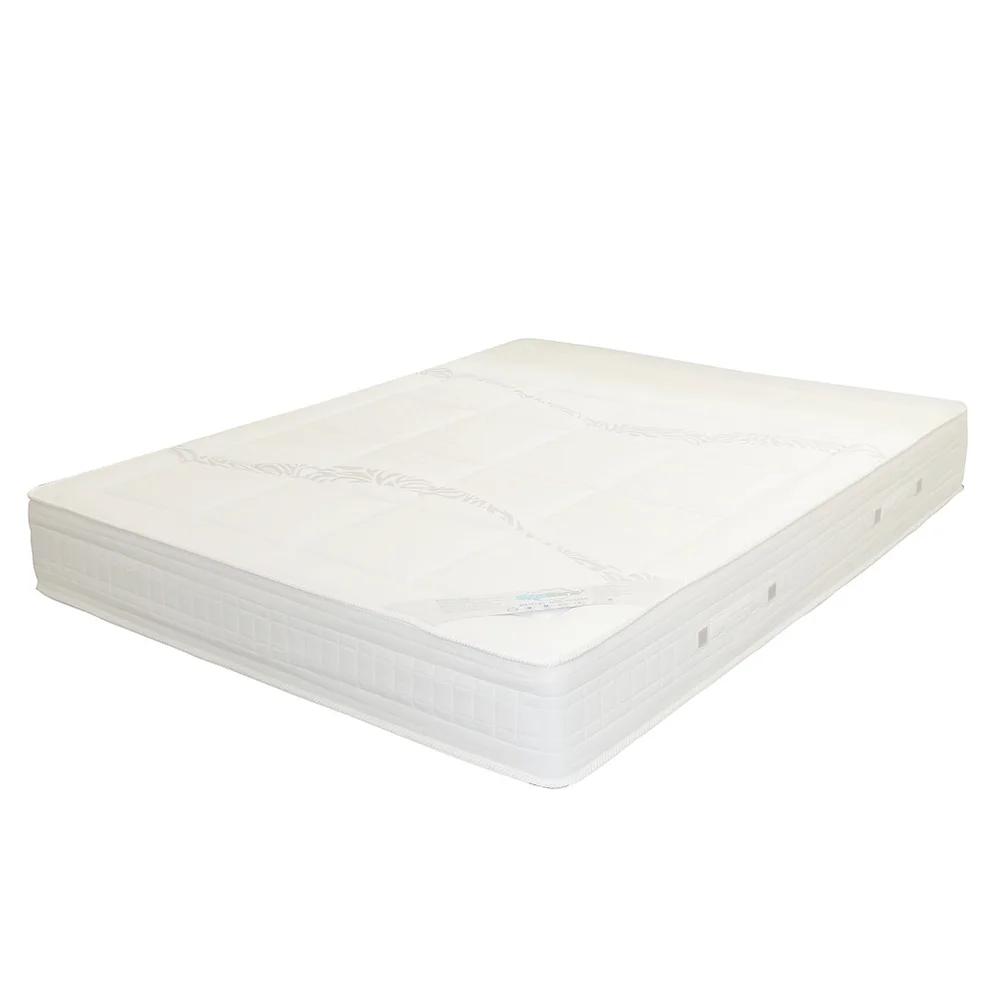
-
-
- Stairlifts
-

Showing all 16 results
Walking Sticks & Canes
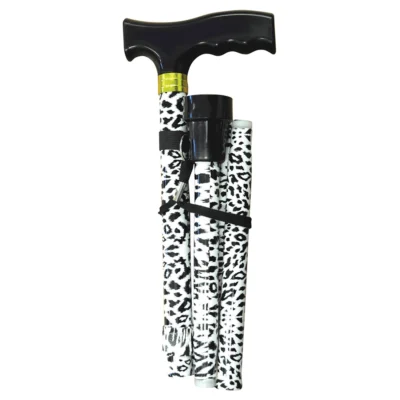
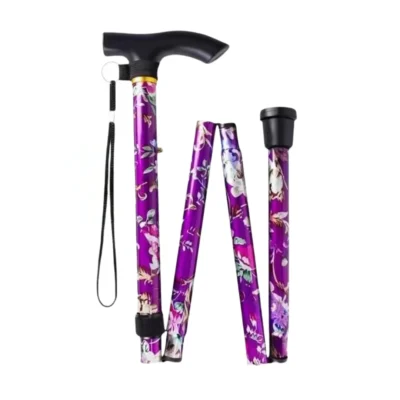
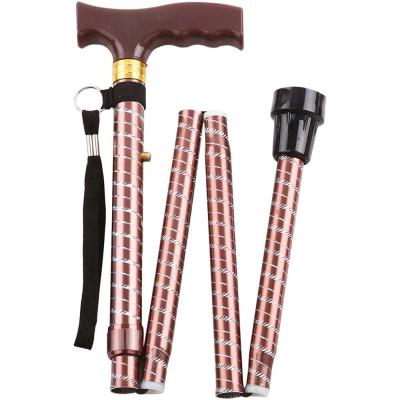
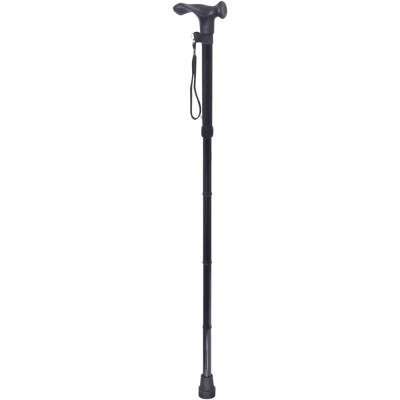
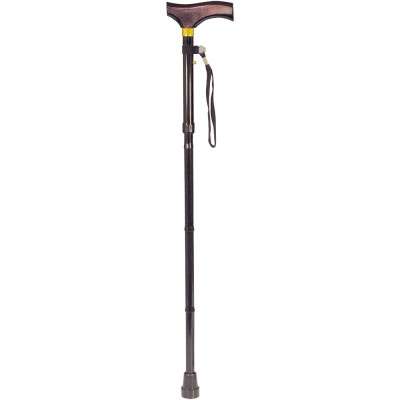
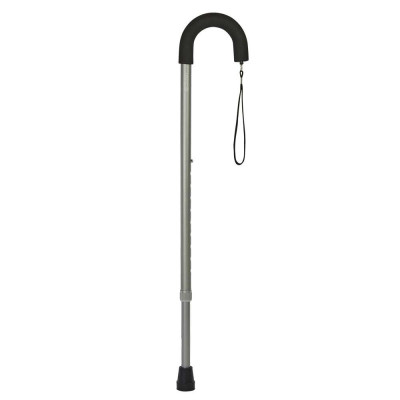
Walking sticks and canes provide light everyday support for balance, confidence and stability. Part of our wider walking aids range, this selection includes adjustable, folding, patterned, ergonomic, quad and tri-base designs for adults of different ages, support requirements and style preferences.
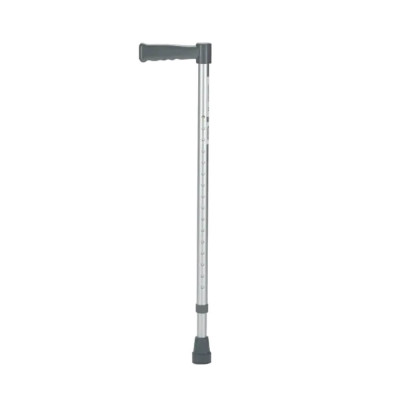
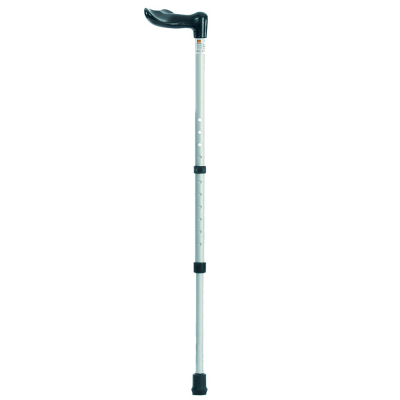
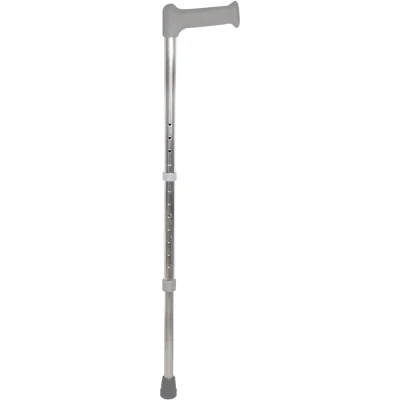
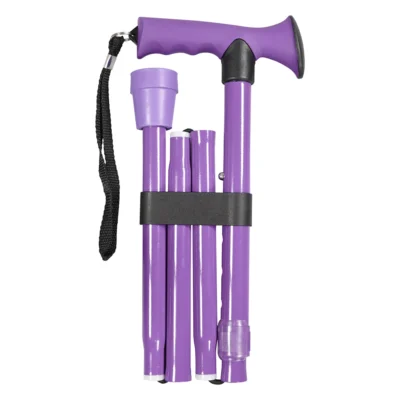
Walking Sticks and Canes for Everyday Support
Walking sticks and canes are designed for people who need a lighter level of support when walking. They can provide an additional point of contact with the ground, helping with balance, confidence and stability during everyday movement.
The right walking stick should feel comfortable in the hand, suit the user’s height and provide an appropriate level of support. Modern Mobility offers practical everyday models alongside patterned, colourful and contemporary walking sticks for people who want their mobility aid to reflect their personal style.
Compare Different Types of Walking Stick
Adjustable Walking Sticks
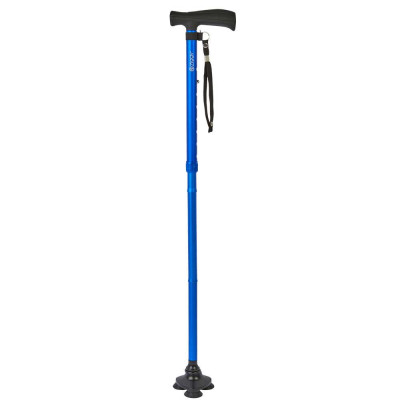
Height-adjustable sticks can be altered to suit different users and help position the handle at a more comfortable level.
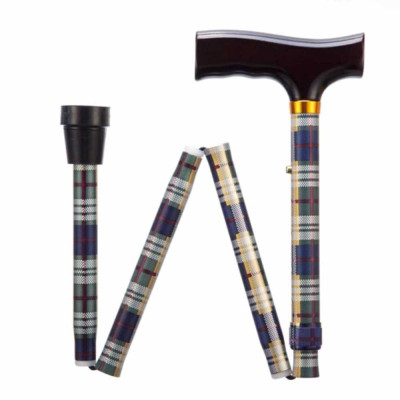
Folding Walking Sticks
Folding and collapsible walking sticks can be stored more easily in a bag, vehicle or cupboard when they are not being used.
Quad and Tri-Base Canes
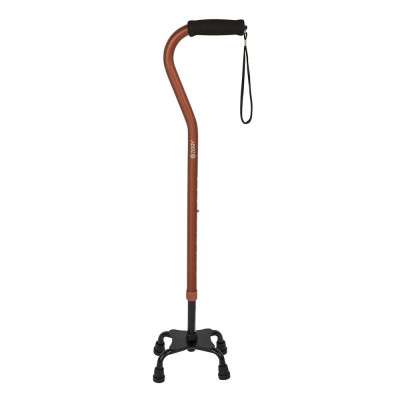
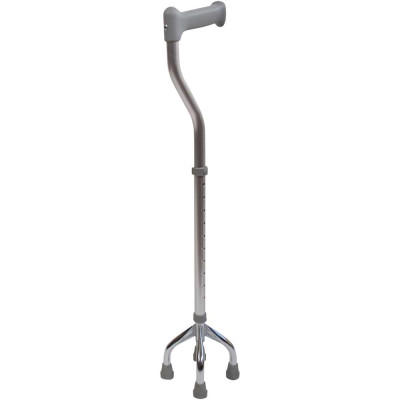
Quad canes and three-pronged or tri-base walking sticks provide additional ground contact compared with a standard single-point stick.
Walking Sticks with Seats
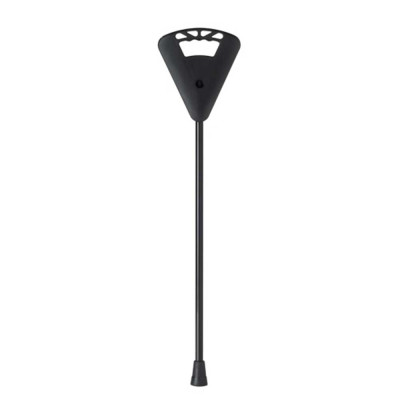
A walking stick with an integrated seat can provide occasional support and somewhere to rest during suitable trips or events.
Modern and Patterned Walking Sticks
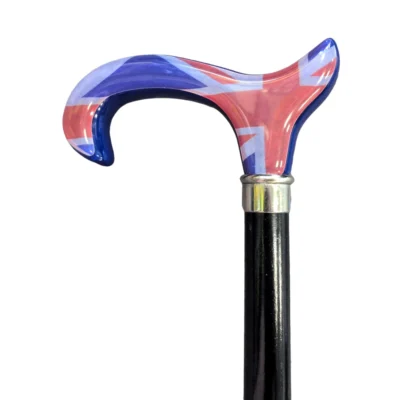
Walking sticks are used by adults of many different ages and do not need to look purely clinical. Patterned, colourful and modern walking sticks can provide practical support while feeling more like a personal accessory.
Current options may include floral patterns, engraved finishes, tartan designs, contemporary colours and distinctive walking canes. Stock and individual designs can change, so check the available products if a particular colour or pattern is important to you.
How to Choose a Walking Stick
Consider how often the walking stick will be used, where it will be taken and how much support the user requires.
• Correct height: The handle should generally sit around the wrist crease when the user is standing upright with their arms relaxed.
• Handle shape: Crook, Fischer, ergonomic, offset and gel handles can feel different in the hand and distribute pressure differently.
• Base type: A standard single-point stick is usually easier to position, while a quad or tri-base cane provides a broader area of ground contact.
• Folding mechanism: Consider whether the stick needs to fold for travel or remain permanently available for regular support.
• Product weight: A lighter walking stick may be easier to carry and reposition, particularly during longer periods of use.
• Maximum user weight: Check the individual product specification and do not exceed the stated capacity.
• Ferrule condition: The rubber ferrule at the bottom of the stick should provide suitable grip and should be replaced if it becomes worn or damaged.
Check the walking stick regularly
Check the handle, height-adjustment mechanism, folding joints and ferrule for wear, looseness or damage. Replacement walking stick and crutch ferrules are available in different sizes, so confirm compatibility before ordering.
When a Walking Stick May Not Provide Enough Support
A walking stick is intended for relatively light support. Someone who feels very unsteady, needs support on both sides or needs to place substantial weight through their walking aid may require a different product or a professional mobility assessment.
Depending on the user’s needs, it may be helpful to compare crutches, walking frames, tri-walkers or rollators. These products provide different levels of support, stability and manoeuvrability.
Buy Walking Sticks Online or In Store
Walking sticks and canes can be ordered online, while selected products may also be available to view at Modern Mobility stores. If you want to compare handle shapes, height settings or base types before purchasing, contact your nearest Modern Mobility store to confirm current availability.
Walking Stick and Cane FAQs
Answers to common questions about walking-stick height, folding designs, handle styles and base types.
What is the difference between a walking stick and a cane?
The terms are often used interchangeably. Both describe a handheld walking aid intended to provide light support, balance and confidence while walking.
Are walking sticks only for older people?
No. Walking sticks are used by adults of different ages for mobility, balance, injury recovery and long-term health requirements. Modern and patterned designs provide alternatives for people who do not want a traditional clinical appearance.
How do I choose the correct walking-stick height?
As a general guide, the handle should sit around the wrist crease when standing upright with the arms relaxed. If you are unsure, seek advice from a physiotherapist or another suitably qualified healthcare professional.
Are folding walking sticks suitable for everyday use?
Many folding walking sticks are designed for regular light support, but suitability depends on the model, maximum user weight and individual support requirements. Check that every section is securely connected before use.
What is a three-pronged walking stick?
A three-pronged or tri-base walking stick has three points of contact with the ground. This provides a broader base than a standard single-point stick while remaining smaller than many quad canes.
Is a quad cane more stable than a standard walking stick?
A quad cane has four points of ground contact and a broader base than a standard stick. This may provide greater stability for some users, although it can feel different to position and may not suit every walking pattern.
How often should I replace a walking-stick ferrule?
There is no fixed replacement interval. Check the ferrule regularly and replace it when the tread becomes worn, the rubber splits or it no longer provides reliable contact with the ground.
Can I view walking sticks before buying?
Selected walking sticks may be available to view at Modern Mobility stores. Contact the store before visiting if you want to check the availability of a particular model, handle or design.