- Mobility Scooters
-
- Furniture
-
-
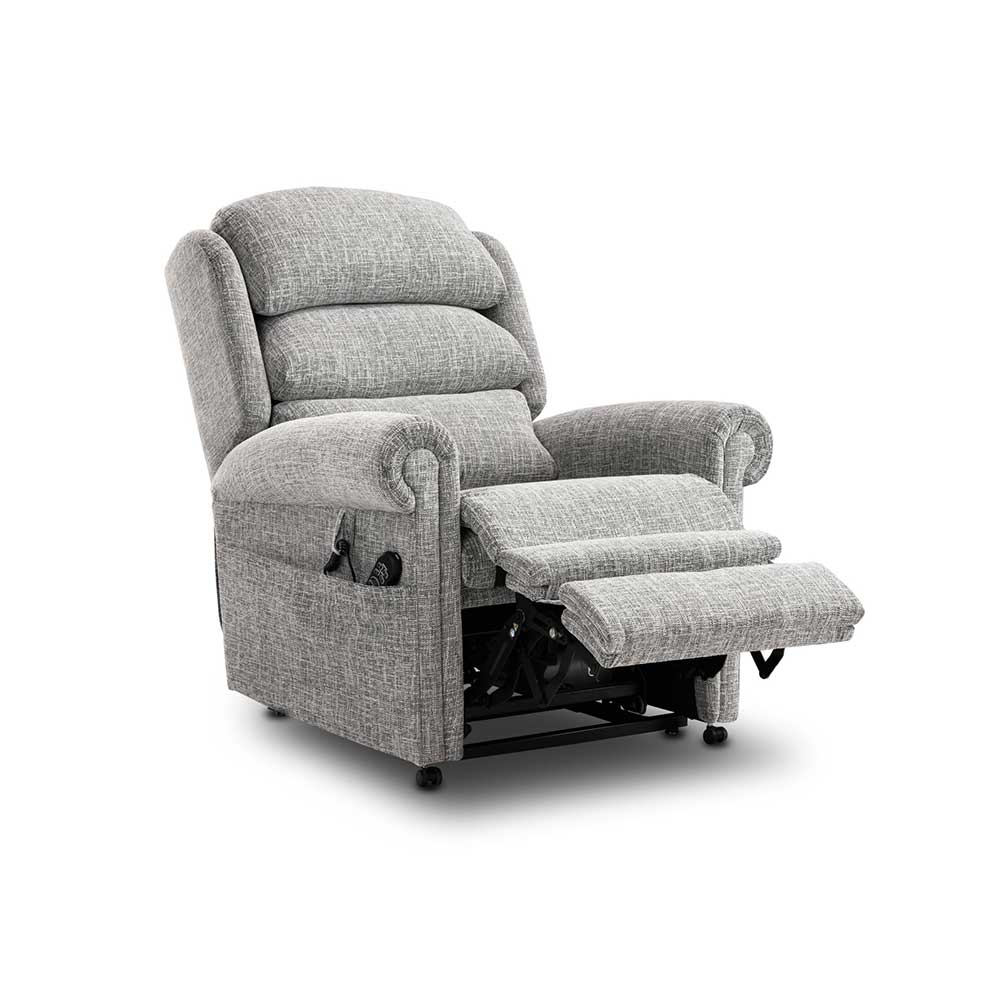
Riser Recliners
-
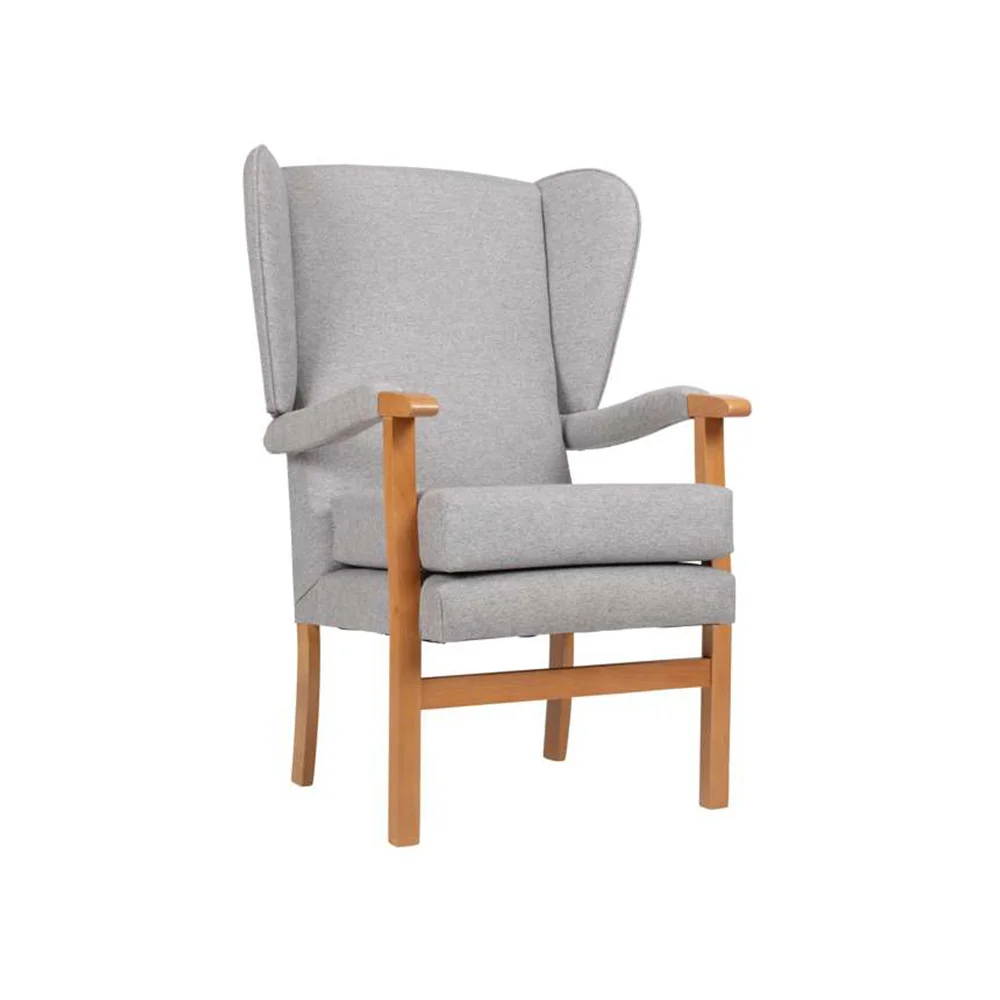
Fireside Chairs
-
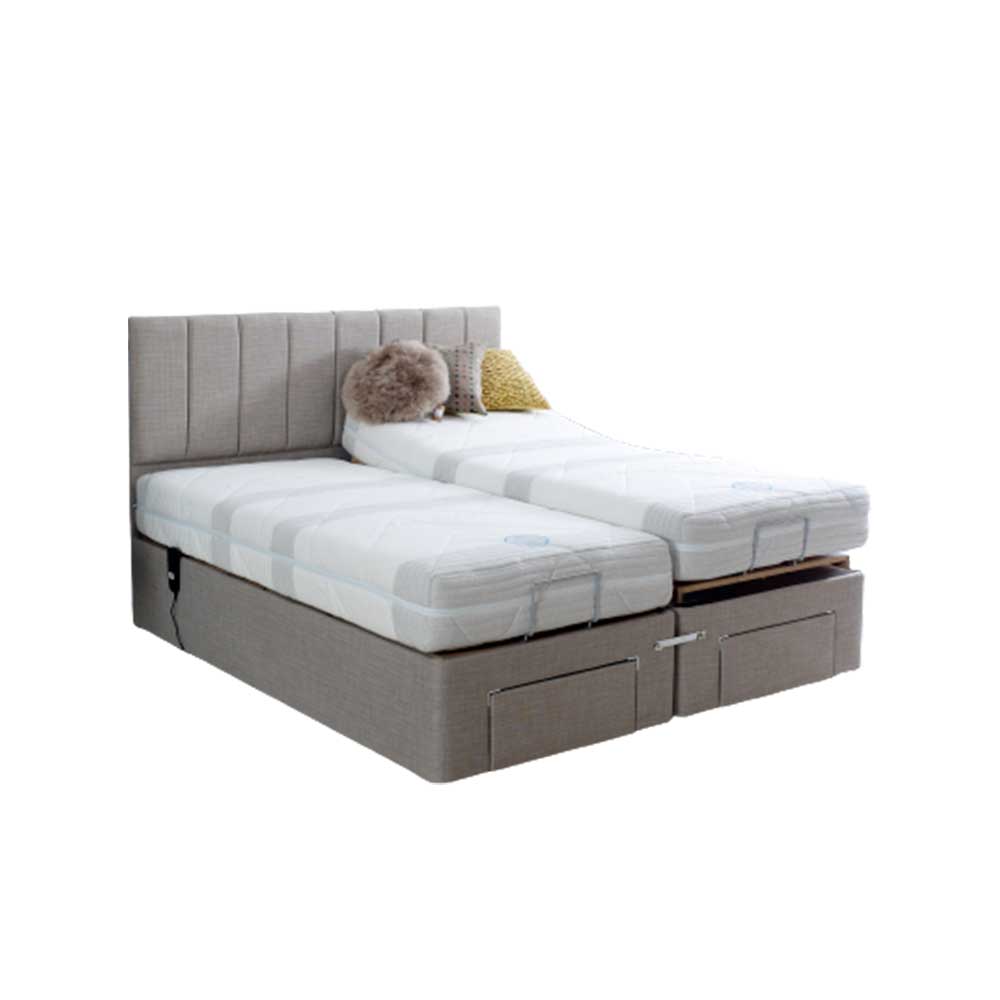
Adjustable Beds
-
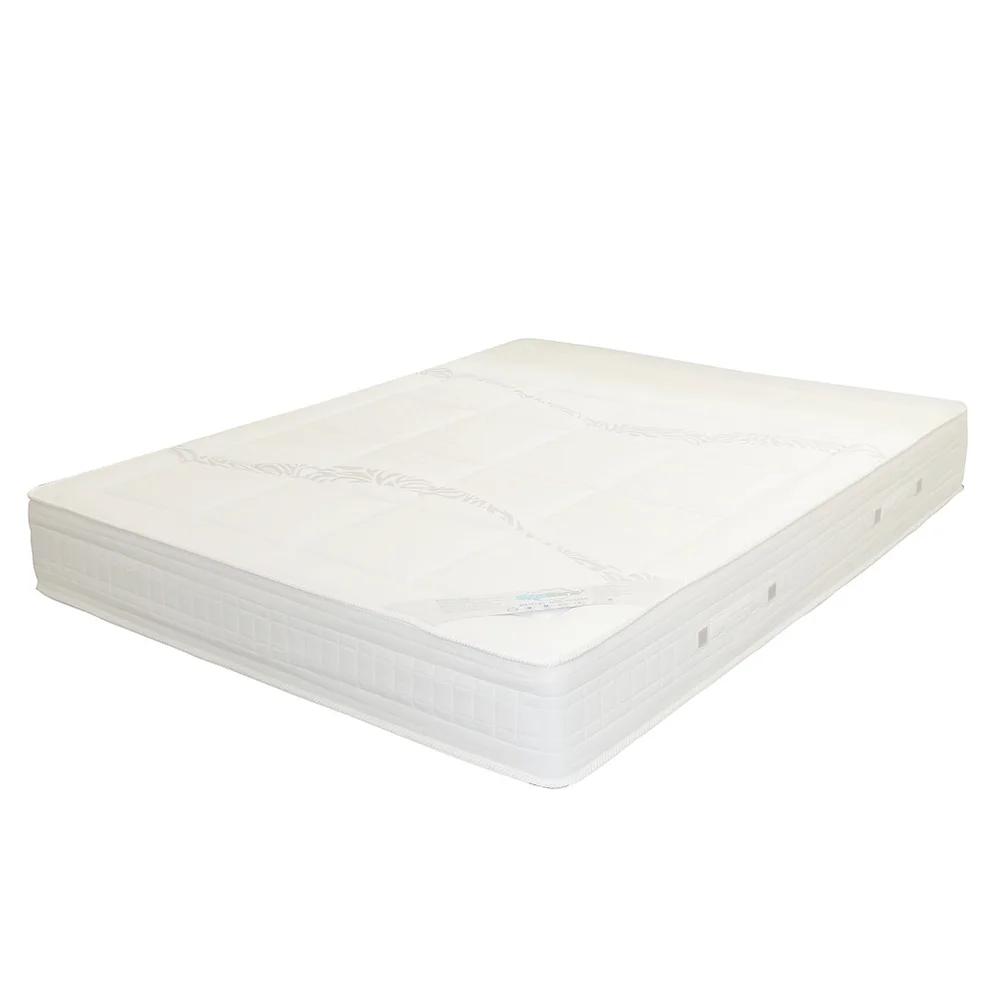
Mattresses
-
-
- Stairlifts
-


Showing all 4 results
Mobility Scooter, Wheelchair & Powerchair Ramps
Mobility ramps help wheelchair, powerchair and mobility scooter users overcome steps, thresholds and other changes in level more easily. This range includes lightweight suitcase ramps, folding ramps, roll-up ramps and channel ramps for portable access at home, during travel and when loading compatible mobility equipment.
Mobility Ramps for Scooters, Wheelchairs and Powerchairs
A mobility ramp provides a sloped surface over a step, threshold or access point that would otherwise be difficult for wheeled mobility equipment to cross.
The correct ramp depends on the height being overcome, the equipment being used, the available space and whether the ramp needs to be folded, carried or stored after use.
Mobility ramps may be used with:
- Mobility scooters
- Manual wheelchairs
- Powerchairs and electric wheelchairs
- Rollators and walking aids where the ramp is suitable
- Unoccupied mobility equipment during vehicle loading
Types of Mobility Ramp
Different ramp designs suit different access problems. The current Modern Mobility range includes suitcase, folding, roll-up and channel ramps.
Suitcase Ramps
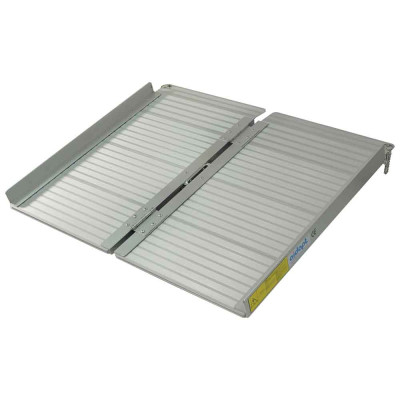
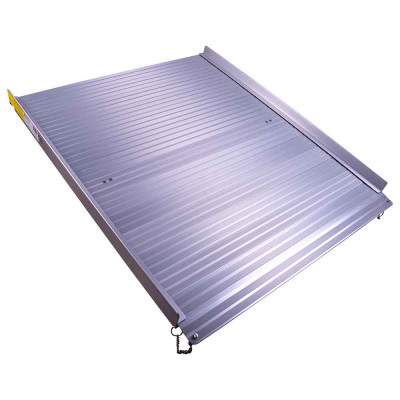
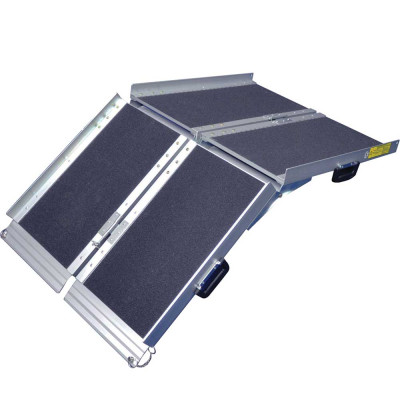
Suitcase ramps fold lengthways or into sections and usually include carrying handles. They provide a full-width surface for wheelchairs, powerchairs and compatible mobility scooters.
Suitcase ramps can be useful for:
- Occasional access over steps
- Visiting homes without permanent ramp access
- Portable use during travel
- Loading suitable equipment where the gradient is safe
- Situations where the ramp must be stored after use
Longer suitcase ramps can become heavier, so check both the ramp weight and folded dimensions before ordering.
Folding Ramps
Folding ramps provide a full-width access surface and collapse into a smaller size for storage or transport. Some suitcase ramps are also described as folding ramps.
They can suit users who need a portable solution but want more surface coverage than channel ramps provide.
Roll-Up Ramps
Roll-up ramps are made from connected aluminium sections that roll or separate into a more compact form for storage.
They can provide a practical balance between portability and full-width access, although setup requirements vary between products.
Channel Ramps
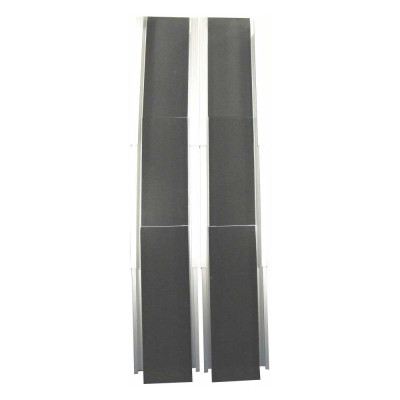
Channel ramps use two separate tracks positioned beneath the wheels of a wheelchair, powerchair or mobility scooter.
Channel ramps may offer:
- Lower carrying weight than some full-width ramps
- Adjustable positioning for different wheel widths
- Compact storage
- A portable option for straight wheel layouts
They require careful alignment and may not suit every scooter or wheelchair. The wheelbase, wheel width, anti-tip wheels and equipment stability must all be checked.
Choosing the Correct Ramp Length
Ramp length is one of the most important considerations. A ramp that is too short for the height being overcome will create a steeper incline.
The appropriate gradient depends on the mobility equipment, whether the user is travelling independently or being assisted, and the ramp manufacturer’s instructions.
Before choosing a ramp length, measure:
- The vertical height of the step or threshold
- The available landing space
- The distance available for the ramp to extend
- The doorway or access width
- Any lip, sill or obstruction at the top and bottom
Do not estimate the step height. Even a small measuring error can significantly alter the resulting gradient.
Ramp Gradient and Safe Access
A gentler gradient is generally easier and more comfortable to use than a steep one. Powered mobility equipment also has model-specific limits for climbing slopes.
Before using a ramp, check the guidance supplied with both the ramp and the wheelchair, powerchair or mobility scooter.
The gradient can be affected by:
- Step height
- Ramp length
- Equipment weight
- User weight
- Wheel size and ground clearance
- Motor power and traction
- Whether assistance is available
- Surface conditions
A ramp should not be used where it creates an incline beyond the safe limits of the equipment or user.
Mobility Scooter Ramps
Mobility scooter ramps need to provide enough width, grip and load capacity for the scooter being used.
Before choosing a mobility scooter ramp, check:
- Scooter width
- Front and rear wheel spacing
- Ground clearance
- Total scooter and user weight
- Maximum permitted gradient
- Whether anti-tip wheels or bodywork may catch
- Whether the scooter can remain stable during access
Three-wheel scooters can behave differently from four-wheel models on narrow or channel ramps, so product suitability must be checked carefully.
Wheelchair and Powerchair Ramps
Wheelchair ramps may be used with transit wheelchairs, self-propelled chairs and powered wheelchairs where the width, weight capacity and gradient are suitable.
A manual wheelchair being pushed by an attendant may require a different gradient and handling approach from an independently driven powerchair.
For wheelchairs and powerchairs, consider:
- Overall chair width
- Wheelbase
- Combined user and chair weight
- Anti-tip wheel clearance
- Footrest clearance
- Whether a carer will push or control the chair
- Whether the user can enter and leave the ramp safely
Portable Mobility Ramps for Home Access
Portable ramps can help with occasional access over a small number of steps or thresholds where a permanent ramp is not available.
They may be useful for rented properties, family visits or temporary access needs, provided the entrance has enough clear space and the ramp can be positioned securely.
Check the entrance for:
- A stable landing area at the top
- Level ground at the bottom
- Sufficient doorway width
- Door clearance
- Loose gravel, wet surfaces or uneven paving
- Whether the door opens across the ramp
A portable product may not be suitable for frequent unsupervised access or larger changes in height. Permanent access work may be more appropriate in those circumstances.
Threshold Ramps and Small Changes in Level
Small door thresholds can still block wheelchairs, scooters and walking aids. A shorter threshold ramp may be more appropriate than a full access ramp where only a low lip needs to be crossed.
The ramp must match the threshold height and provide a stable transition on both sides. Check whether the door can still open and close after the ramp is positioned.
Mobility Scooter Ramps for Cars
Some portable ramps may be suitable for loading unoccupied mobility scooters or wheelchairs into compatible vehicles.
Vehicle loading creates different risks from normal access because the boot floor may be higher, the gradient steeper and the available space more restricted.
Before using a ramp for vehicle loading, check:
- Vehicle loading height
- Boot opening width and height
- Ramp length and angle
- Ramp load capacity
- Scooter or wheelchair width
- Ground clearance
- How the ramp attaches to the vehicle
- How the equipment will be controlled during loading
Users should not remain seated on mobility equipment during vehicle loading unless the ramp, vehicle and mobility product are specifically designed and approved for that use.
Ramp Width and Wheel Position
A full-width ramp should provide enough space for the wheels without requiring precise edge-to-edge positioning.
With channel ramps, each track must align correctly with the wheels. The channels should remain parallel, stable and the correct distance apart throughout use.
Measure:
- Overall equipment width
- Distance between the inner and outer wheel edges
- Front and rear track width
- Any caster, stabiliser or anti-tip wheel positions
Ramp Weight Capacity
The ramp must support the combined weight placed on it.
This can include:
- The mobility scooter, wheelchair or powerchair
- The user
- Any attendant where applicable
- Batteries, bags or attached equipment
Do not rely on the mobility equipment’s maximum user weight alone. Check the actual total load against the ramp’s stated capacity.
Lightweight and Portable Ramps
Portability depends on more than whether a ramp folds. Longer aluminium ramps may still be heavy or awkward to carry.
Before choosing, check:
- Total ramp weight
- Folded dimensions
- Carrying handles
- Whether one or two people are needed to position it
- Storage space at home or in a vehicle
- How frequently the ramp will be moved
Using a Mobility Ramp Safely
A mobility ramp should be positioned on stable ground and checked before every use.
Before using the ramp:
- Confirm the ramp is fully opened or assembled
- Check that the upper edge is securely supported
- Make sure the ramp cannot slide
- Remove water, mud, leaves and other debris
- Check the ramp for damage or loose components
- Keep the approach and landing areas clear
- Follow the mobility equipment and ramp instructions
Extra caution is needed in rain, frost or other conditions that may reduce grip.
Portable Ramp or Permanent Access Ramp?
Portable ramps are useful for occasional or flexible access. They are not always the best long-term solution.
- Portable ramps suit temporary access, travel and smaller changes in level
- Permanent or modular ramps may be more appropriate for frequent daily access, larger heights or public entrances
Modern Mobility’s current range focuses on portable access ramps rather than permanent building installations or large modular ramp systems.
Compare Mobility Ramps Before Buying
The current range includes lightweight suitcase ramps, roll-up aluminium ramps, channel ramps and folding suitcase ramps for compatible mobility scooters, wheelchairs and powerchairs.
Contact Modern Mobility if you need help comparing the required length, width, weight capacity or ramp type before ordering.
You may also find it useful to browse mobility scooters, wheelchairs, powerchairs, mobility accessories, mobility scooter accessories or car boot hoists.
Mobility Ramp FAQs
Mobility ramps vary by length, width, load capacity and portability, so they must be matched to the equipment and access point.
What is a mobility ramp?
A mobility ramp provides a sloped surface that helps wheelchairs, powerchairs and mobility scooters cross steps, thresholds or other changes in level.
Can mobility scooter ramps also be used for wheelchairs?
Some can, provided the ramp width, gradient and weight capacity are suitable for the wheelchair and user.
How long should a mobility scooter ramp be?
The required length depends on the step height, available space, equipment and permitted gradient. Measure the rise and follow the product guidance before ordering.
What is a suitcase ramp?
A suitcase ramp is a portable full-width ramp that folds for carrying and storage.
What is a channel ramp?
A channel ramp uses two separate tracks positioned beneath the equipment wheels. Correct wheel alignment and compatibility are essential.
Are mobility ramps portable?
Many suitcase, folding, roll-up and channel ramps are portable, although their weight and folded dimensions vary.
Can I use a mobility ramp to load a scooter into a car?
Some ramps may be suitable for loading unoccupied equipment into compatible vehicles, subject to loading height, gradient, capacity and secure positioning.
Can a person stay seated on a scooter while it is loaded into a car?
Not unless the ramp, vehicle and mobility equipment are specifically designed and approved for occupied vehicle access.
How much weight can a mobility ramp hold?
Capacity varies by product. Check the combined weight of the equipment, user and any additional load against the ramp specification.
Can ramps be used outdoors?
Many aluminium mobility ramps are suitable for outdoor use, but they must be kept secure, clear and checked for reduced grip in wet or icy conditions.
Are portable ramps suitable for permanent daily access?
Sometimes, but frequent or larger access requirements may be better served by a permanent or modular ramp installation.
Can Modern Mobility help me choose the correct ramp?
Yes. Contact Modern Mobility with the step height, equipment dimensions and intended use for guidance.