- Mobility Scooters
-
- Furniture
-
-
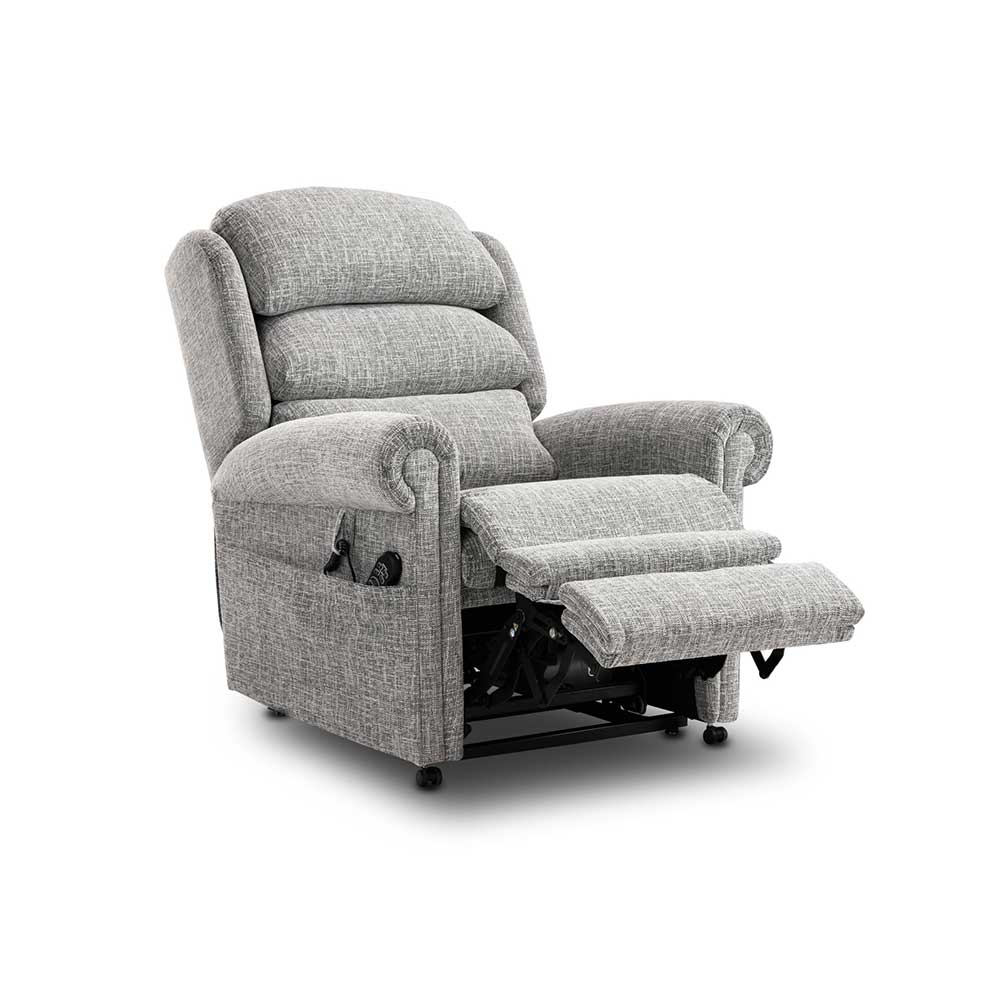
Riser Recliners
-
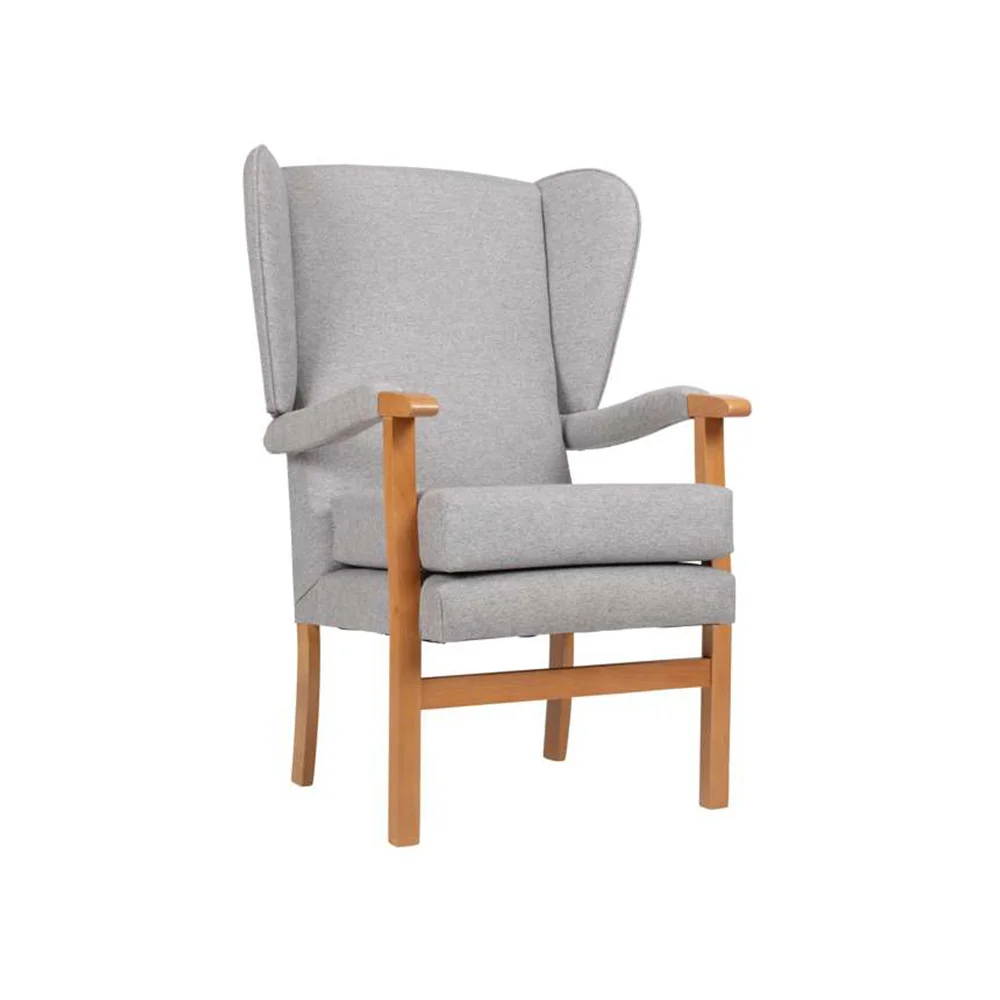
Fireside Chairs
-
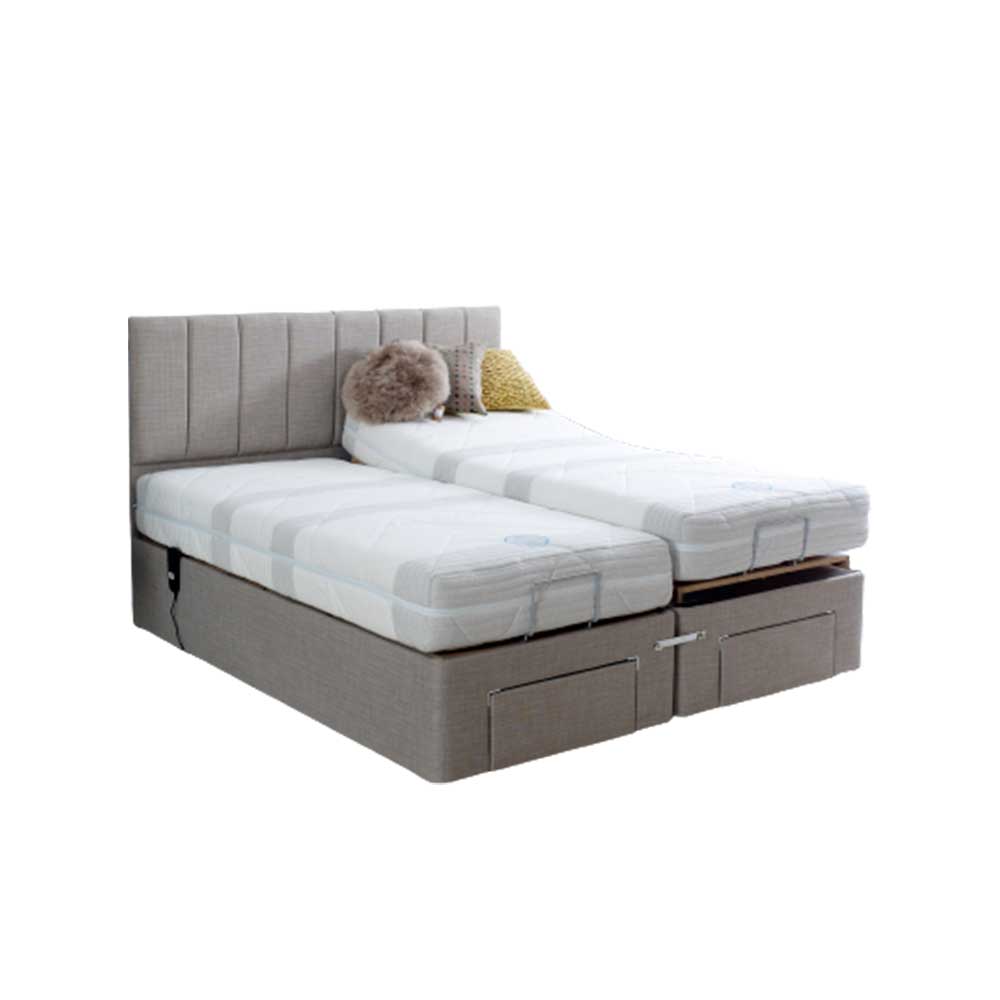
Adjustable Beds
-
Mattresses
-
-
- Stairlifts
-


Showing all 54 results
Powerchairs & Electric Wheelchairs
Browse powerchairs and electric wheelchairs for sale, with models designed for indoor, outdoor and mixed everyday use. Compare folding powerchairs, compact and standard models, or explore complex powerchairs offering more advanced seating, positioning and control options.
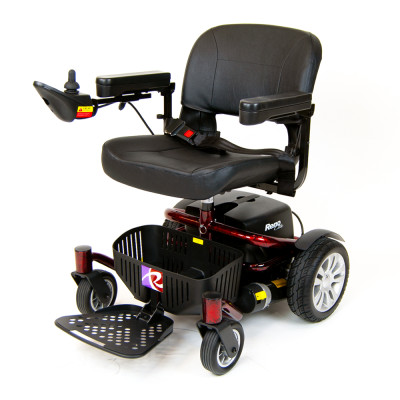
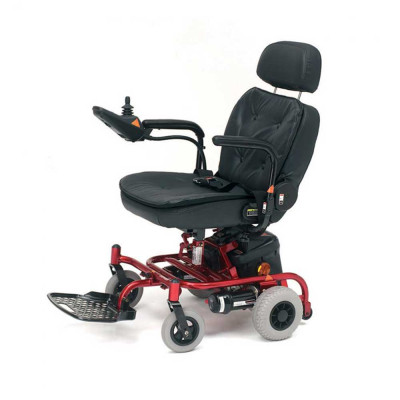
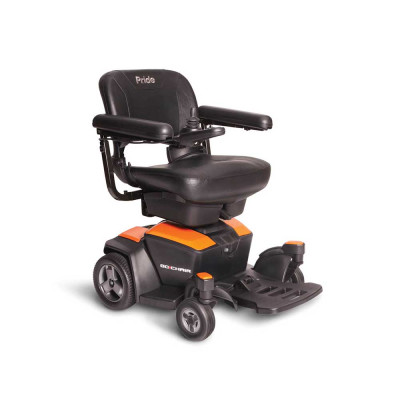
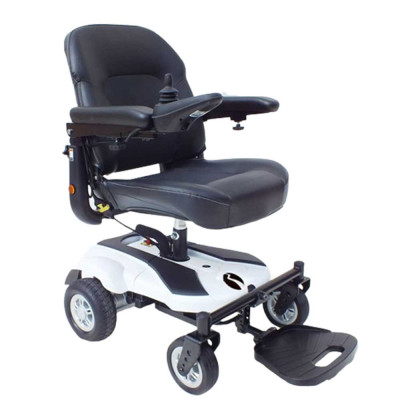
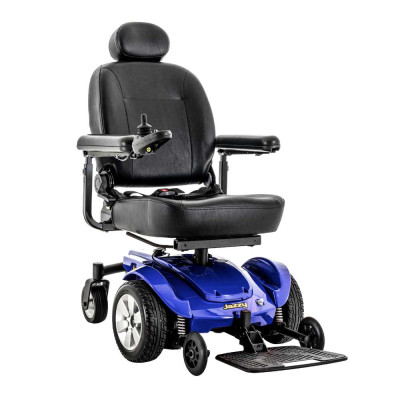
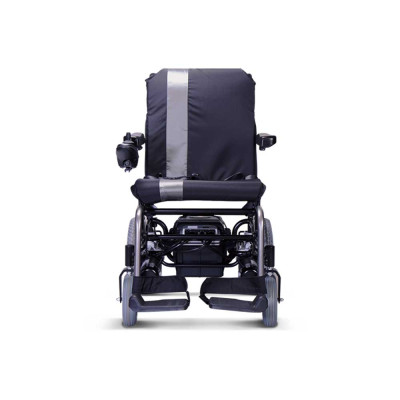
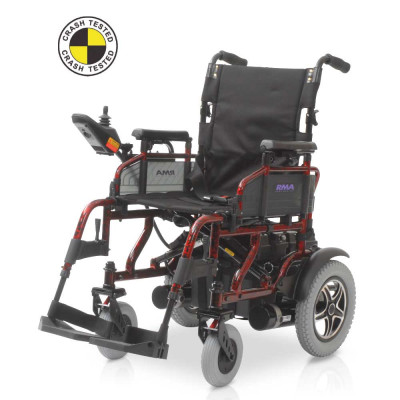
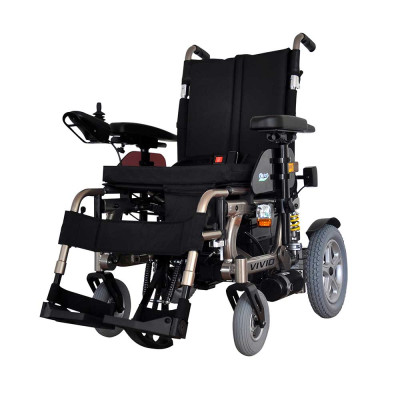
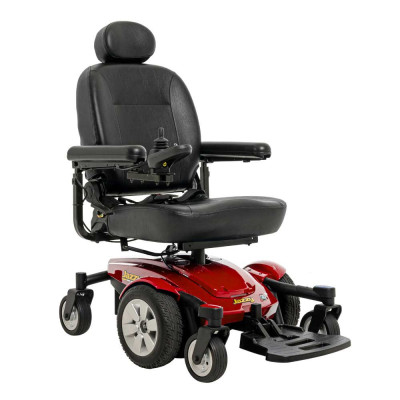
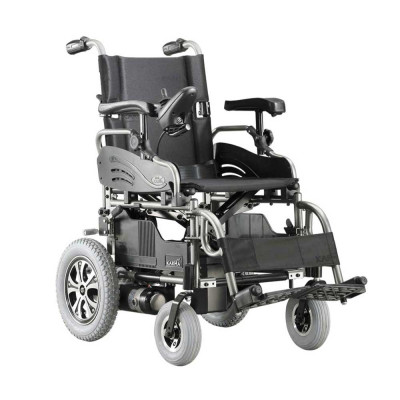
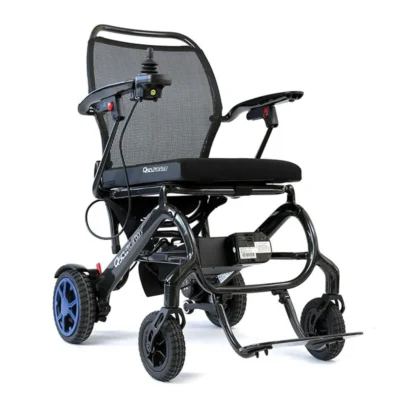
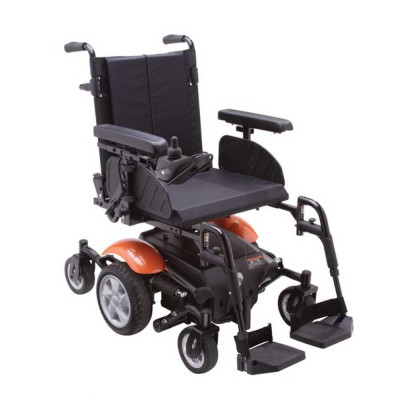
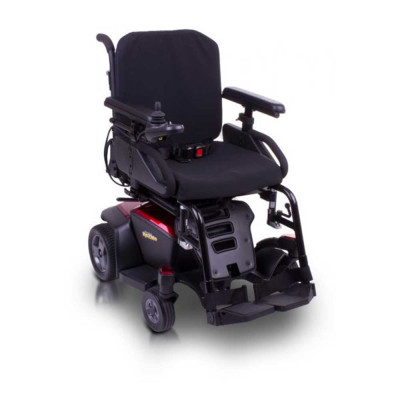
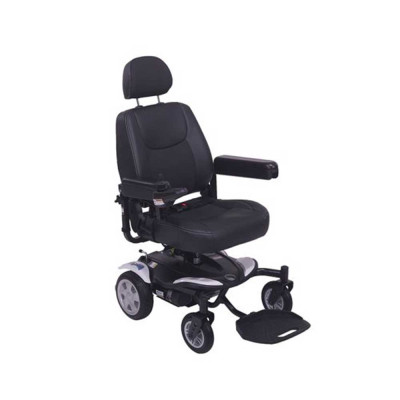
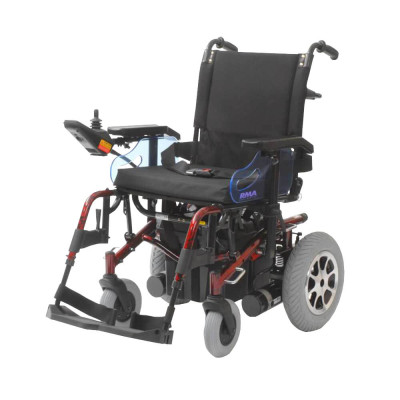
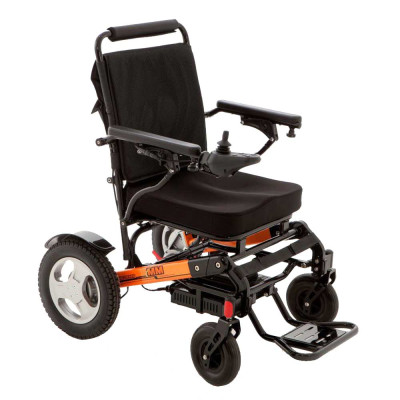
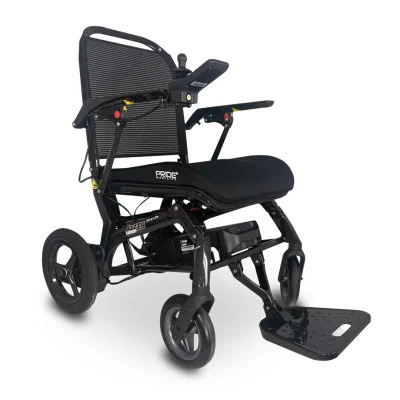
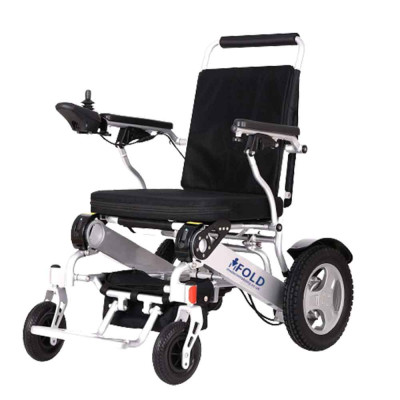
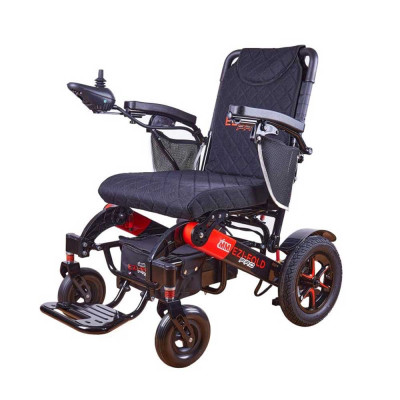
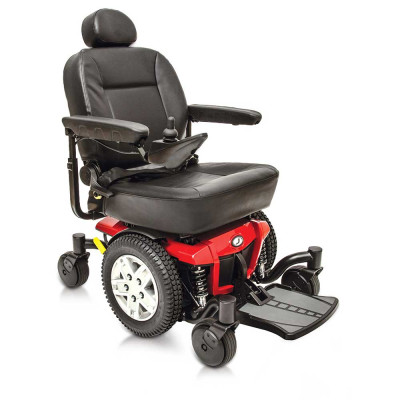
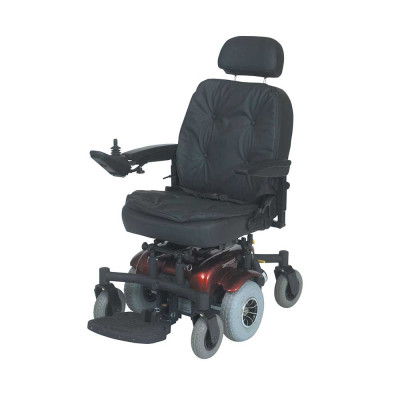
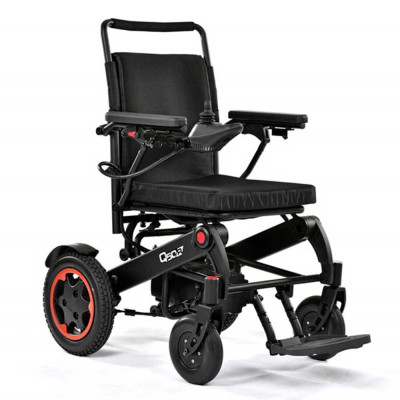
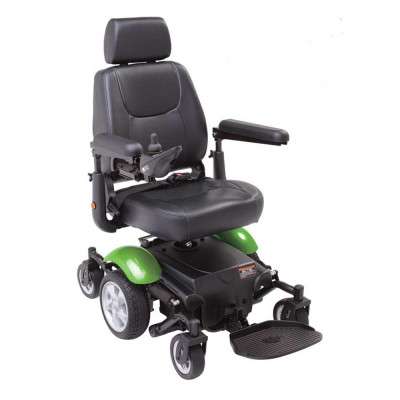
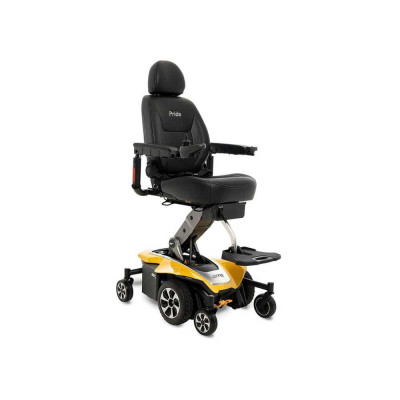
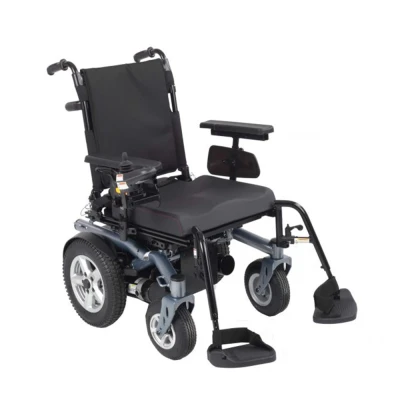
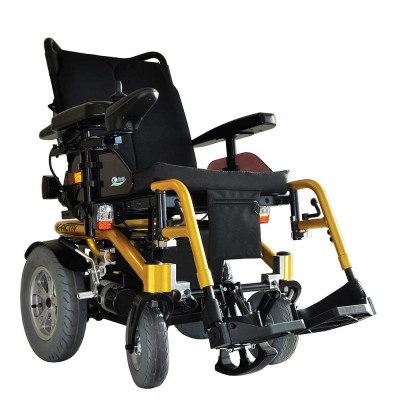
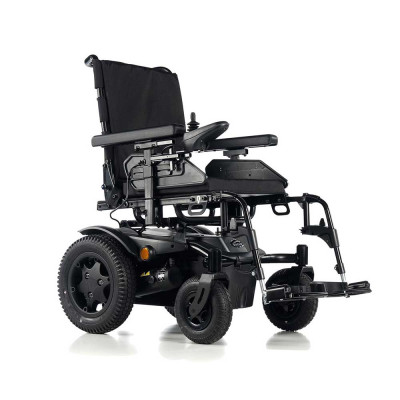
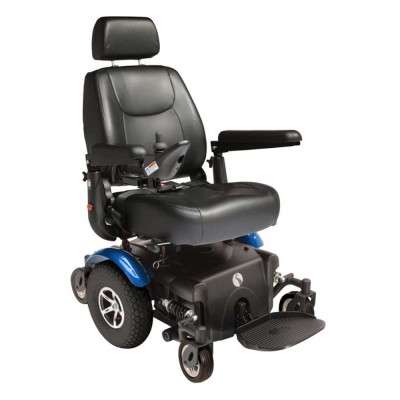
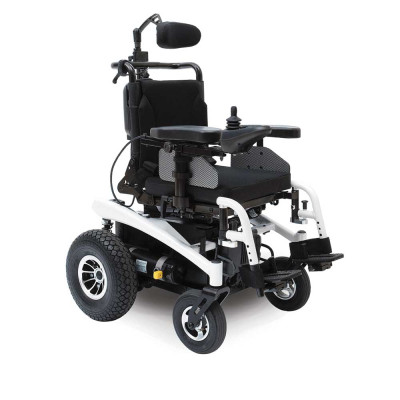
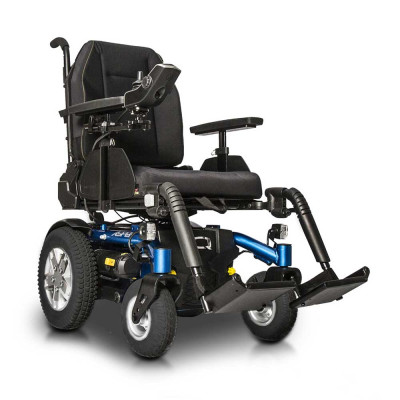
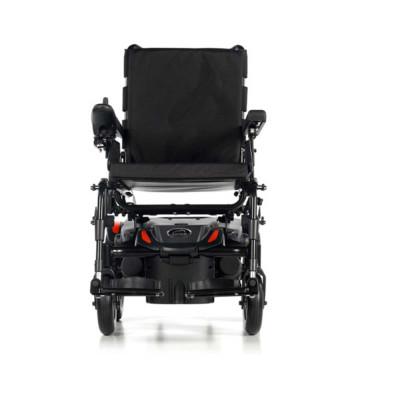
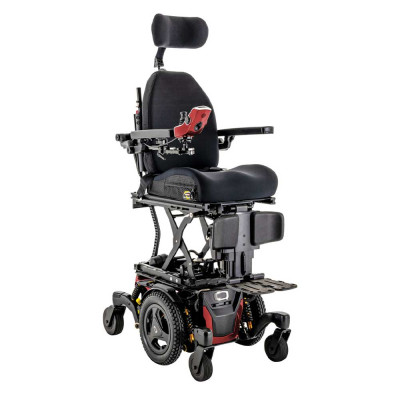
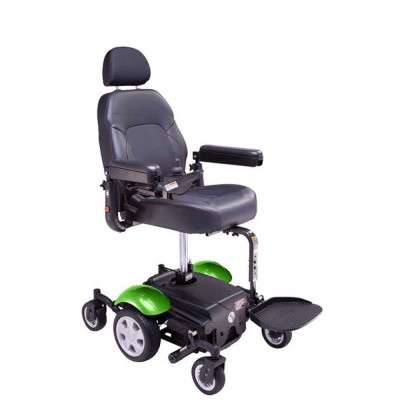
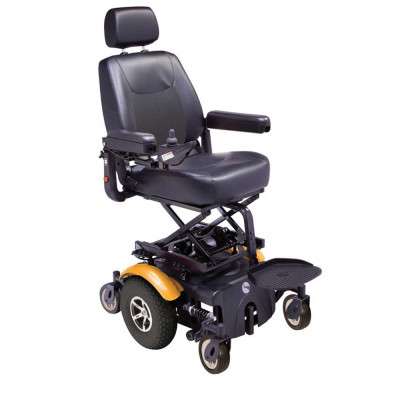
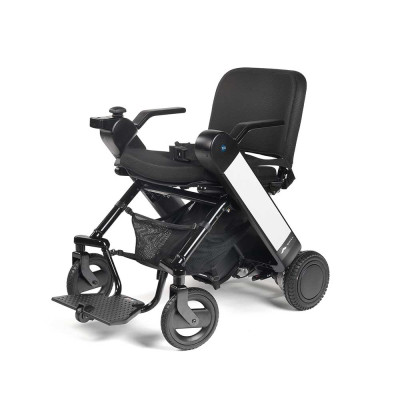
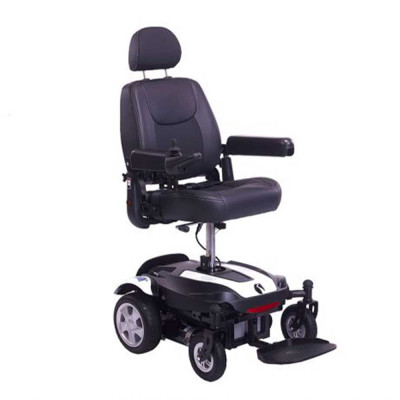
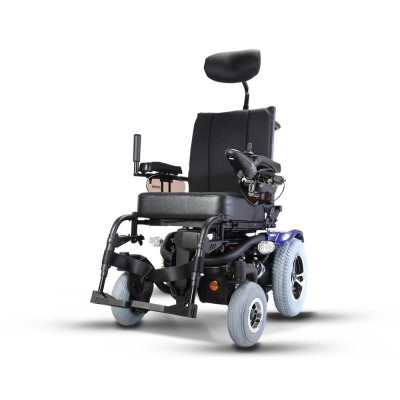
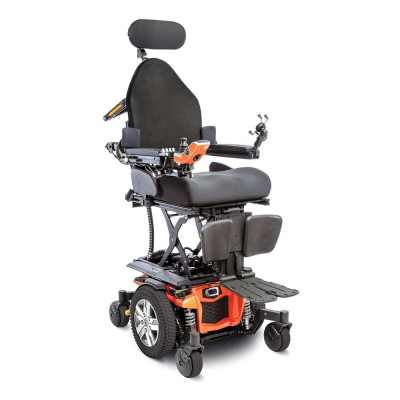
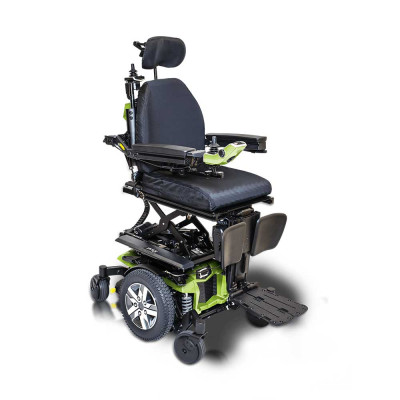
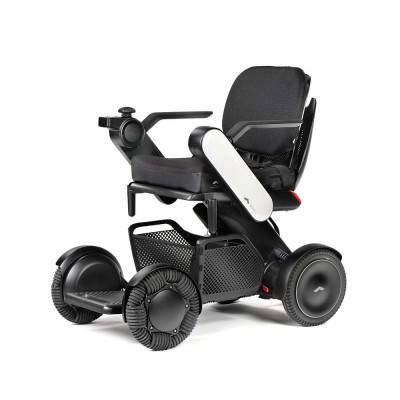
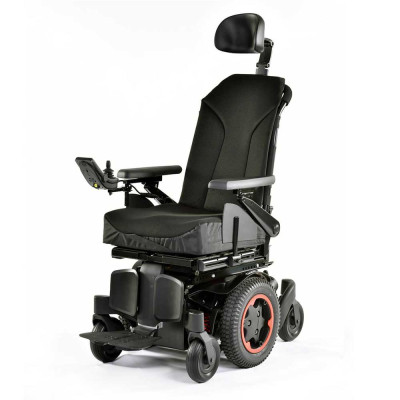
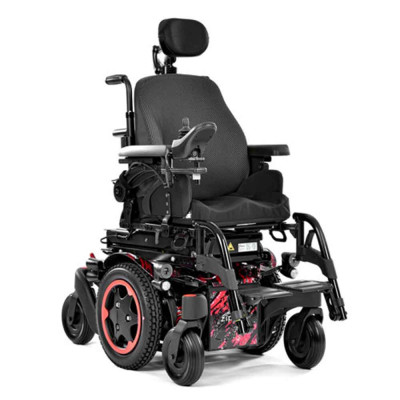
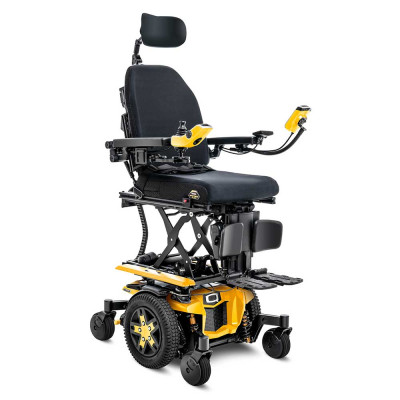
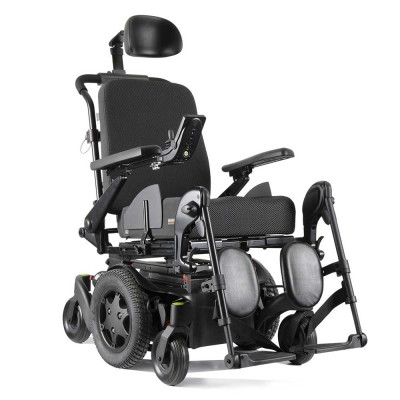
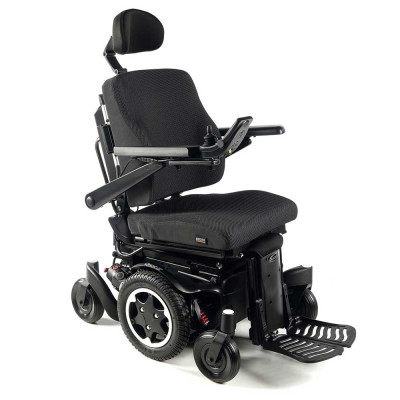
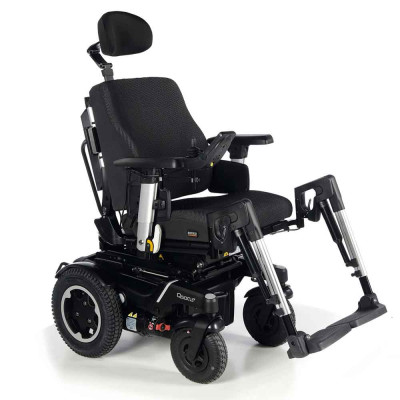
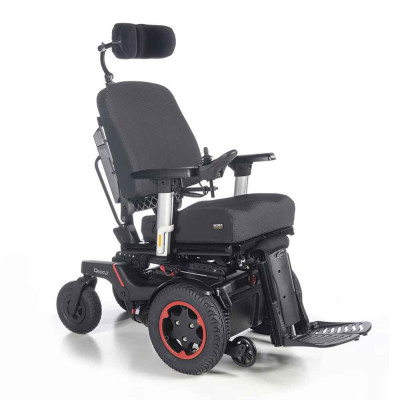
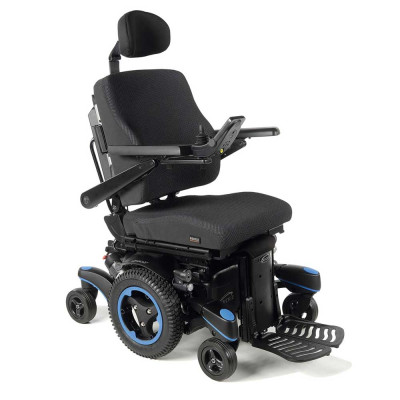
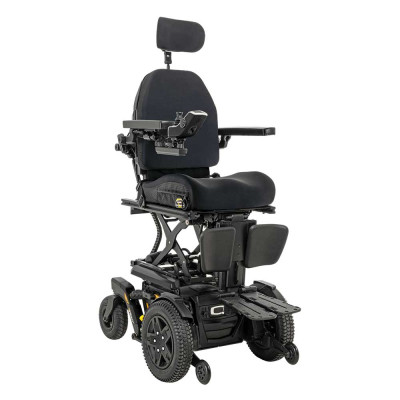
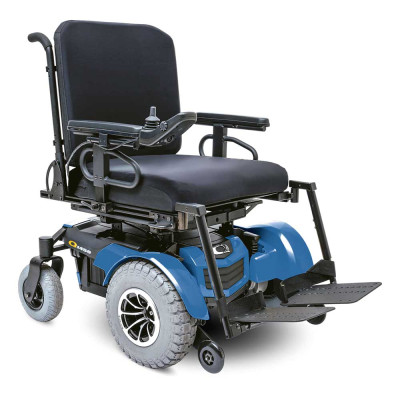
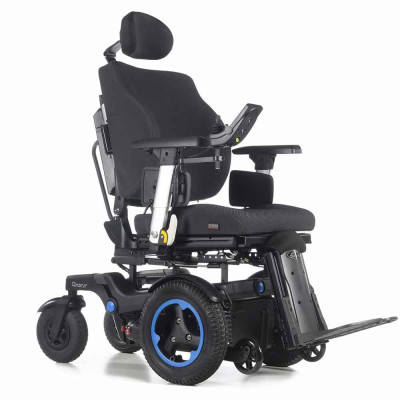
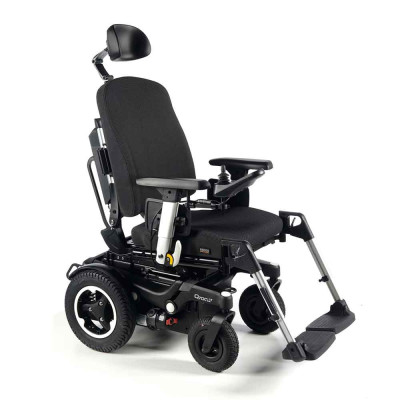
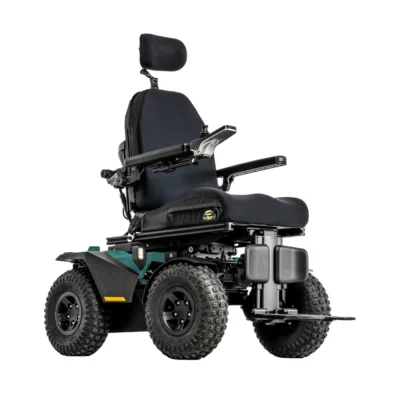
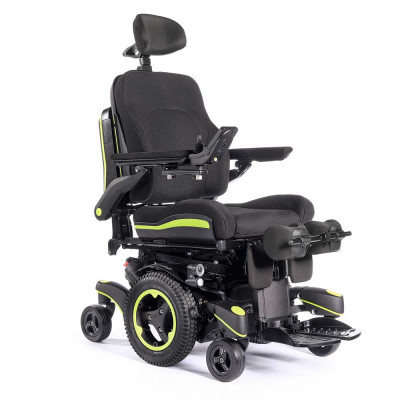
Powerchairs and Electric Wheelchairs for Everyday Mobility
A powerchair, also known as an electric wheelchair or powered wheelchair, uses batteries and electric motors to provide powered movement. Most models are operated using a joystick, although selected complex powerchairs can support alternative control systems where required.
Powerchairs range from compact chairs designed for manoeuvring around the home to folding models for transport and highly configurable chairs offering advanced seating, positioning and outdoor performance. Choosing the right one depends on the user, where the chair will operate and the support required throughout the day.
Which Type of Powerchair Do You Need?
The main powerchair types serve different mobility, transport and seating requirements. These categories can overlap, so always compare the specification of the individual chair.
Standard Powerchairs
Practical powered wheelchairs designed to balance everyday comfort, manoeuvrability and indoor or outdoor use.
Folding Powerchairs
Portable electric wheelchairs that fold for easier storage and transport, with different weights, frame materials and folding mechanisms available.
Complex Powerchairs
More configurable chairs offering advanced seating, positioning, controls and powered functions for users with more specific requirements.
Paediatric Powerchairs
Powered wheelchairs designed around the size, positioning, development and everyday mobility needs of children and younger users.
Compact and Narrow Powerchairs
A compact powerchair may be useful where indoor space is limited or the chair needs to pass through narrower doorways, corridors and shop entrances. Overall width is important, but it should not be considered in isolation.
Also compare the chair’s overall length, turning circle, footplate position and the space needed to approach furniture or move through doorways. A narrow electric wheelchair may still require more turning space than expected depending on its drive configuration and geometry.
Before buying, measure the narrowest doors and access points the chair will regularly encounter. Remember to account for skirting boards, door handles, thresholds and the user’s arm or controller position.
Mid-Wheel, Rear-Wheel or Front-Wheel Drive?
The position of the drive wheels affects how a powerchair turns, tracks and feels to operate. No configuration is automatically best for every user or environment.
Mid-Wheel Drive
The main drive wheels are positioned near the centre of the chair. Many models provide responsive turning and a compact turning circle for indoor manoeuvring.
Rear-Wheel Drive
The drive wheels sit towards the rear. These chairs can provide a familiar and predictable driving feel, particularly when travelling in a straighter line.
Front-Wheel Drive
The drive wheels are positioned towards the front, producing a different turning pattern that some users prefer for positioning and approaching obstacles.
Actual performance also depends on the chair’s wheelbase, suspension, controls, overall dimensions and setup. Trying suitable configurations can help establish which driving feel is most comfortable.
Powerchair, Mobility Scooter or Manual Wheelchair?
These products provide different forms of mobility support and should not be treated as interchangeable.
Powerchair
Control: Usually operated using a joystick or another powered control system.
Common priorities: Powered movement, tighter manoeuvring and supportive seating.
Mobility Scooter
Control: Normally operated through a tiller using the hands and arms.
Common priorities: Local journeys, outdoor travel and transferring onto a scooter-style seat.
Manual Wheelchair
Control: Self-propelled through the rear wheels or pushed by an attendant.
Common priorities: Non-powered mobility, simpler transport and different levels of user or attendant propulsion.
The right direction depends on the user’s strength, transfers, posture, controls, environment and intended journeys. Seek individual advice if those requirements are unclear.
What to Compare Before Buying a Powerchair
Powerchairs vary considerably in size, seating, controls and performance. Compare the complete chair rather than deciding from price, appearance or maximum range alone.
• Seat dimensions: Check seat width, depth and back height against the user’s size and support requirements.
• Maximum user weight: Confirm that the chair safely accommodates the user and anything regularly carried.
• Controls: Consider joystick position, sensitivity and whether standard or alternative controls are required.
• Overall dimensions: Measure doorways, corridors, lifts, ramps, storage areas and transport access.
• Turning circle: This is particularly important for indoor use and navigating confined spaces.
• Battery range: Choose a stated range that comfortably covers normal journeys. Practical range can vary with terrain, user weight, temperature, battery condition and driving style.
• Indoor and outdoor performance: Consider wheels, suspension, ground clearance, stability and the surfaces the chair will encounter.
• Transport: Check whether the chair folds, dismantles or requires a suitable vehicle lift, ramp or wheelchair-accessible vehicle.
• Adjustability: Consider whether the seating and controls can accommodate the user’s current and potential longer-term requirements.
Seating, Positioning and Powered Functions
Some powerchairs provide straightforward fixed seating, while others can be configured with additional positioning and powered functions. Depending on the model, available options may include powered seat lift, tilt, recline, elevating leg supports or more supportive back and cushion systems.
These functions should be selected according to the user’s individual requirements and the chair’s intended use. A complex powerchair assessment may be more appropriate where posture, pressure management, alternative controls or long-term seating support are significant considerations.
Selected powerchairs may be available to view or try through Modern Mobility. Contact your nearest store before visiting if you want to compare a particular model, seat size, drive configuration or control setup.
Powerchair Prices, Finance and Motability
Electric wheelchair prices vary significantly according to the chair’s construction, seating, controls, powered functions and level of configuration. A compact standard chair will usually have a different price from a complex model requiring advanced seating or specialist setup.
If a new chair is outside the available budget, compare the current range of approved used powerchairs. Availability changes as individual pre-owned chairs are added or sold.
Finance may be available on eligible powerchair purchases, subject to status, affordability, terms and lender approval. Selected models may also be available through the Motability Scheme for eligible users, depending on current availability and suitability.
Powerchair Brands Available
Depending on current availability, Modern Mobility’s range may include powerchairs from manufacturers such as Rascal, Roma, Shoprider, Pride Mobility, Quickie, Karma, Kymco, Quantum, Monarch/Ezi-Fold, TGA/WHILL and Zippie.
Brand is only one part of the decision. Compare the individual chair’s dimensions, controls, seating, turning circle, transport requirements and intended use before choosing.
Powerchair and Electric Wheelchair FAQs
Answers to common questions about powerchairs, electric wheelchairs, prices, indoor use and Motability.
What is a powerchair?
A powerchair is a battery-powered wheelchair that uses electric motors and is normally operated through a joystick or another control system.
Is a powerchair the same as an electric wheelchair?
Yes. Powerchair, electric wheelchair and powered wheelchair are commonly used to describe the same general type of powered mobility equipment.
Are powerchairs suitable for indoor use?
Many compact and mid-wheel-drive powerchairs are designed with indoor manoeuvrability in mind. Check the overall width, length and turning circle against the available space before buying.
Can electric wheelchairs be used outdoors?
Many can be used outdoors, but their suitability for different surfaces, gradients and journey lengths varies. Check the individual model’s intended use, wheels, suspension, ground clearance and stated range.
How much does an electric wheelchair cost?
Prices vary considerably. Compact standard powerchairs generally cost less than complex chairs with configurable seating, alternative controls or powered positioning functions. Check the displayed starting price and any optional configuration costs.
What is the difference between a powerchair and a mobility scooter?
Powerchairs are normally controlled using a joystick and can provide tighter manoeuvring and more supportive seating. Mobility scooters normally use a tiller and a scooter-style seat. The right choice depends on the user, controls, transfers and intended journeys.
Can a powerchair be transported in a car?
Some folding or dismantling powerchairs can be transported in a suitable car, while larger chairs may require a vehicle lift, ramp or wheelchair-accessible vehicle. Check the chair’s total weight, folded dimensions and heaviest component before deciding.
Can I try a powerchair before buying?
Selected models may be available to view or try through Modern Mobility. Store availability varies, and assessments may be available where suitable. Contact the team before visiting if you want to compare a particular chair.
Can I get a powerchair through Motability?
Selected powerchairs may be available through the Motability Scheme for eligible users. Availability depends on the current scheme range and whether the chair is suitable for the user.
Can I buy a powerchair on finance?
Finance may be available on eligible purchases, subject to status, affordability, terms and lender approval. Review the current finance information before applying.