- Mobility Scooters
-
- Furniture
-
-
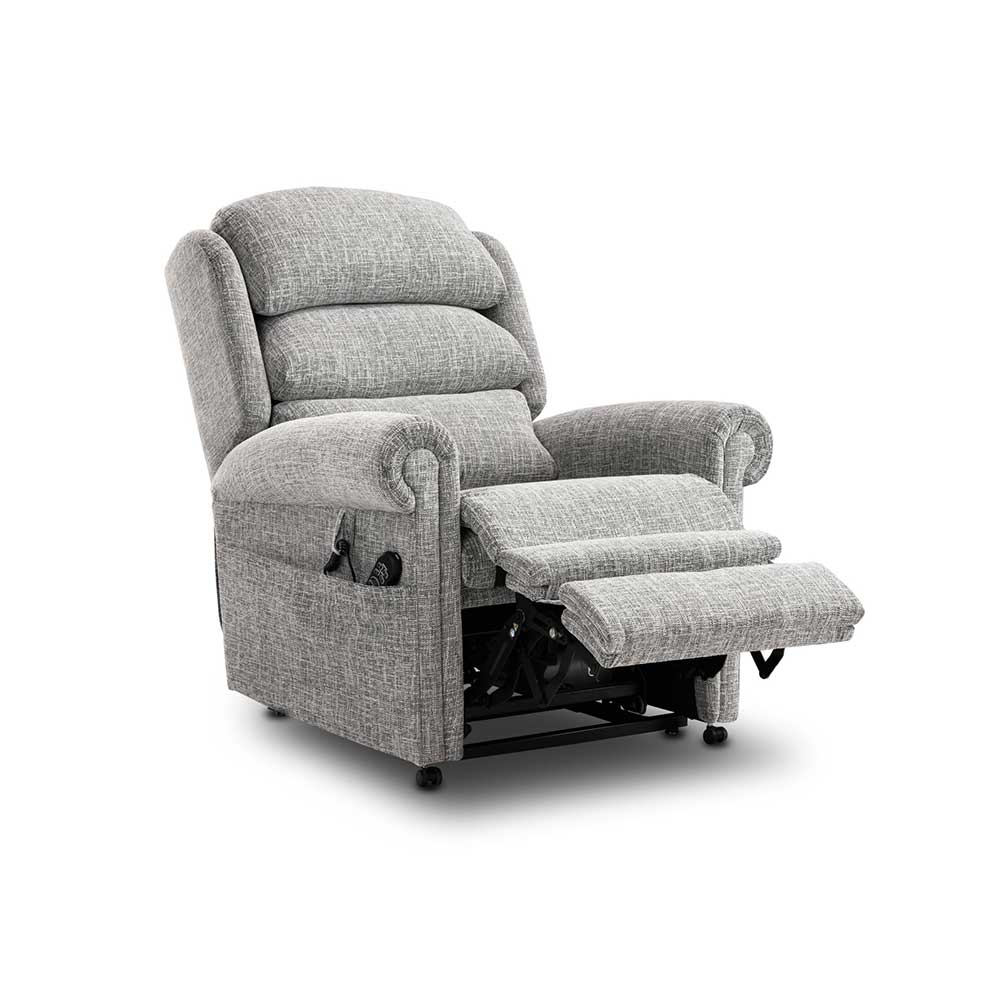
Riser Recliners
-
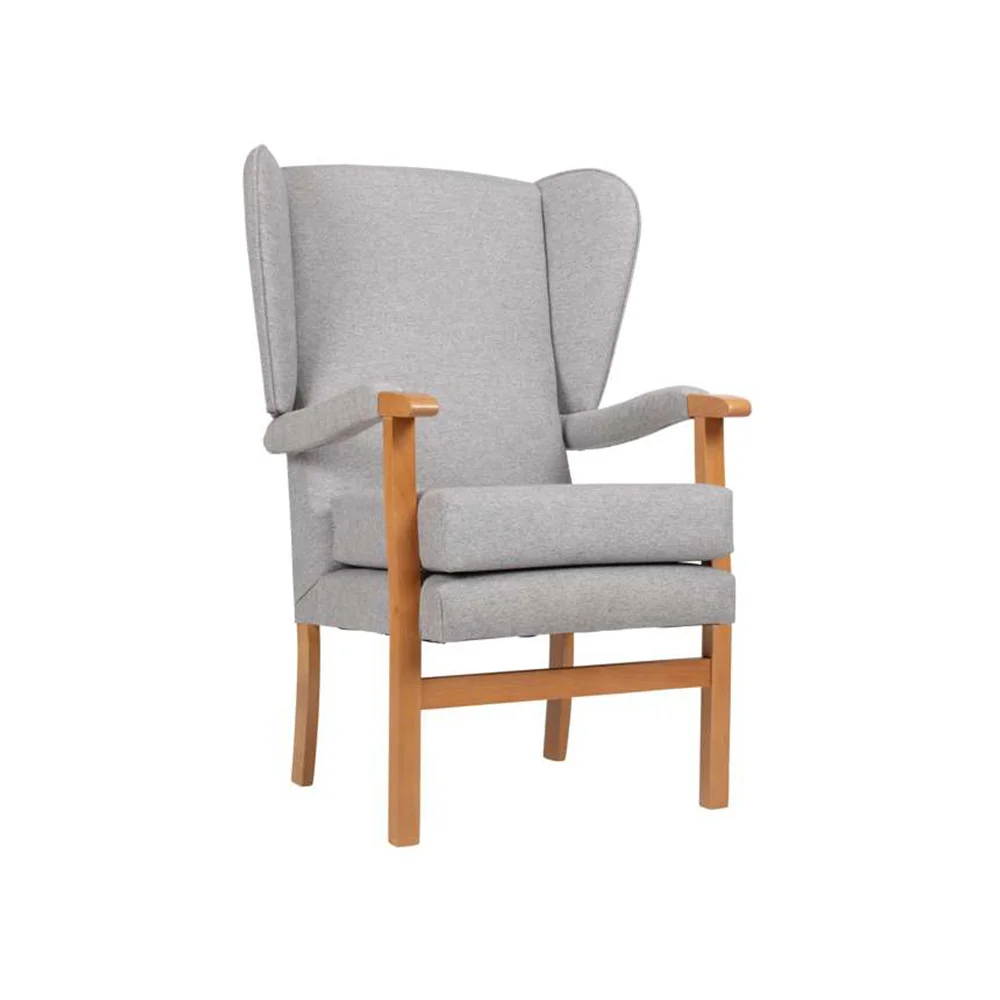
Fireside Chairs
-
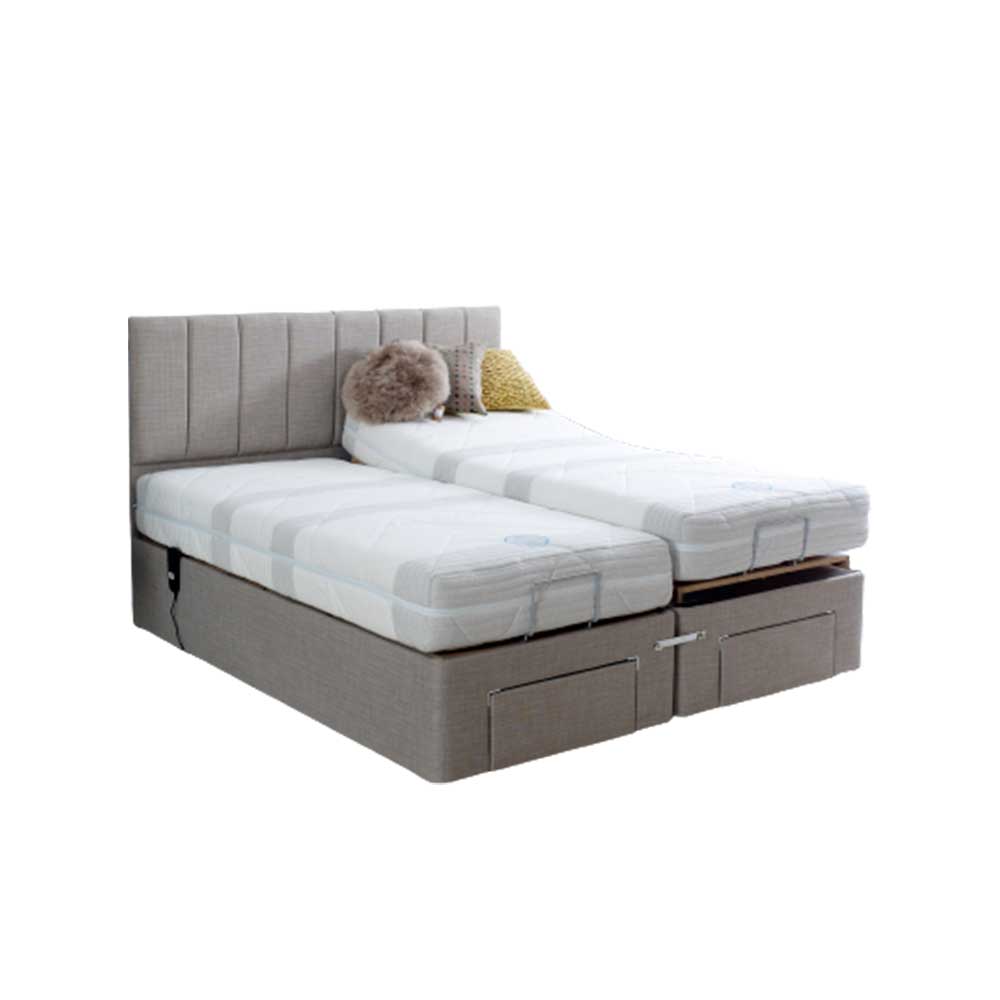
Adjustable Beds
-
Mattresses
-
-
- Stairlifts
-
Showing all 8 results
Modern Crutches for Adults
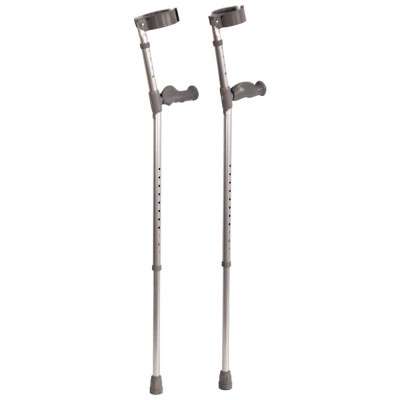
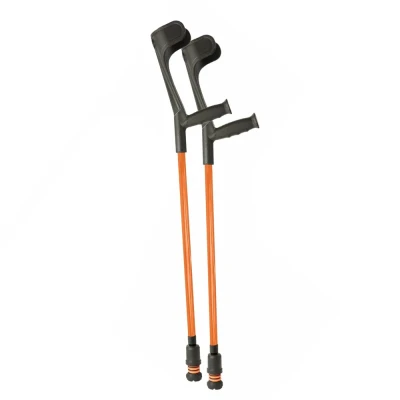
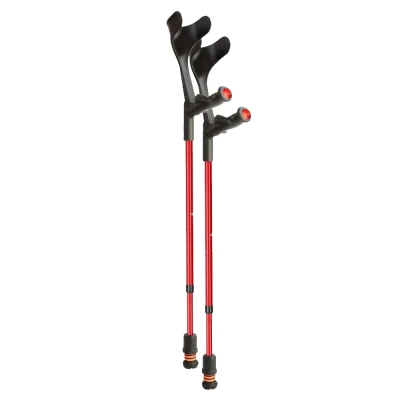
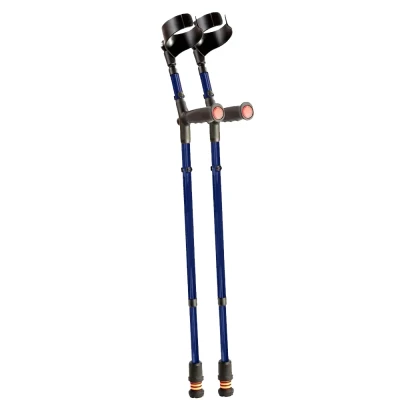
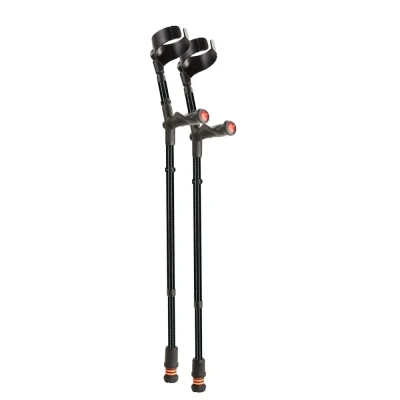
Modern crutches provide practical walking support without the heavy or overly clinical feel associated with older designs. This range includes adjustable elbow crutches, ergonomic handles, shock-absorbing options and folding crutches for adults and younger users who need support during recovery, rehabilitation or longer-term mobility changes.
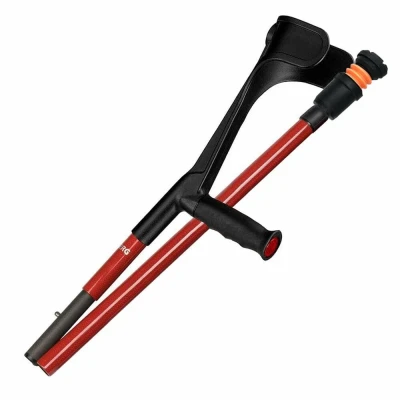
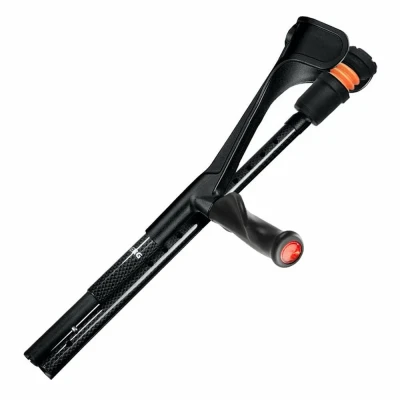
Modern Crutches for Comfortable Everyday Support
Crutches help reduce the amount of weight placed through one or both legs while providing additional balance and support when walking.
They may be used temporarily during recovery from an injury or operation, or for longer-term mobility support. Modern crutches can include lighter frames, more comfortable handles, improved cuffs, shock-absorbing ferrules and folding mechanisms that make them easier to use and transport.
This range can include:
- Adjustable elbow crutches for adults
- Ergonomic crutches with shaped handles
- Shock-absorbing crutches designed to reduce impact
- Folding crutches for travel and storage
- Lightweight carbon fibre crutches
- Double-adjustable crutches for a more personalised fit
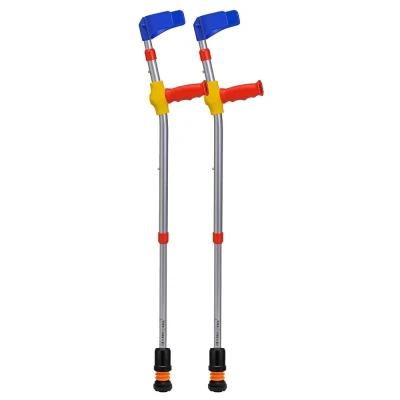
- Children’s crutches for younger users
What Are Elbow Crutches?
Elbow crutches, also known as forearm crutches, have a handle and cuff that supports the forearm below the elbow. They are commonly used for both temporary recovery and longer-term walking support.
The user places weight through the handles while the forearm cuffs help keep the crutches positioned during movement.
Elbow crutches may be suitable where the user needs:
- Support on one or both sides
- An adjustable aid for regular walking
- More manoeuvrability than a walking frame
- A crutch that is easier to store than an underarm design
- Short-term or longer-term mobility assistance
The correct type should be chosen around the user’s balance, upper-body strength, weight-bearing instructions and medical or rehabilitation advice.
Ergonomic Crutches and Handle Comfort
Handle design can make a noticeable difference, especially when crutches are used regularly.
Traditional straight handles can concentrate pressure through a smaller area of the hand. Ergonomic or shaped handles are designed to distribute pressure more comfortably across the palm.
When comparing handles, consider:
- Grip shape
- Hand size
- Left- and right-handed designs where applicable
- Grip material
- Wrist position
- Whether the user experiences hand or joint discomfort
A more comfortable handle does not remove the need for correct crutch height and walking technique.
Folding Crutches for Travel and Storage
Folding crutches can be collapsed into a shorter size when they are not being used. This makes them easier to store in a car, carry during travel or keep nearby as occasional support.
Folding crutches may be useful for:
- Holidays and days out
- Public transport
- Keeping crutches in a car
- Users who only require support at certain times
- Homes with limited storage space
Before buying, check the folded length, total product weight and how securely the sections lock when opened.
Shock-Absorbing Crutches
Shock-absorbing crutches use specially designed ferrules or lower-leg components to reduce some of the impact transferred through the crutch when it contacts the ground.
This may improve comfort for users who experience strain through the hands, wrists, elbows or shoulders during regular use.
Shock absorption should not make the crutch feel unstable or excessively flexible. The user should still feel confident that each crutch is securely planted before taking the next step.
Lightweight and Carbon Fibre Crutches
The weight of a crutch matters when it is being lifted and repositioned repeatedly throughout the day.
Lightweight aluminium and carbon fibre crutches can reduce the amount of effort required compared with heavier designs.
When comparing lightweight crutches, check:
- Weight per crutch
- Maximum user weight
- Adjustment range
- Handle and cuff comfort
- Frame rigidity
- Whether the crutch also folds
The lightest option is not automatically the most suitable if it does not provide the required fit, strength or stability.
Choosing Crutches for Adults
Adult crutches come in different adjustment ranges and specifications. The correct choice should fit the user’s height, strength and required level of support.
Before choosing adult crutches, consider:
- Whether one or two crutches are required
- User height
- Maximum user weight
- Short-term or long-term use
- Handle comfort
- Cuff style
- Overall product weight
- Whether folding or travel storage is needed
If crutches have been recommended following an injury, operation or rehabilitation programme, follow the weight-bearing and adjustment guidance provided by the relevant healthcare professional.
Crutches for Children and Younger Users
Children’s crutches are designed around shorter adjustment ranges and smaller users. Some also include brighter colours or more modern styling.
Correct sizing is particularly important because a child may quickly outgrow an unsuitable setting.
Check:
- User height
- Handle position
- Cuff position
- Maximum user weight
- Whether the crutches can be adjusted as the child grows
- Whether professional fitting or rehabilitation advice has been provided
How Should Crutches Be Adjusted?
Crutches should be adjusted so the user can stand upright without raising the shoulders, leaning excessively or bending too far forward.
The handle should allow a slight bend at the elbow when the crutch is placed beside the user. Forearm cuffs should sit securely without restricting movement.
Exact adjustment depends on the product and the user, so follow the manufacturer’s instructions and any guidance provided by a physiotherapist, occupational therapist or other healthcare professional.
One Crutch or Two?
Whether one or two crutches are needed depends on the injury, condition and amount of weight the user is permitted to place through the affected leg.
- Two crutches may provide more support and allow greater reduction of weight through the legs
- One crutch may be used where less support is required or during later stages of recovery
Using a single crutch on the correct side and with the correct technique is important. Follow professional advice rather than changing from two crutches to one without guidance.
Crutch Ferrules and Ground Grip
The ferrule is the rubber foot at the bottom of the crutch. It provides grip and helps the crutch remain stable when it contacts the ground.
Ferrules gradually wear through regular use and should be checked often.
Replace a ferrule if it is:
- Worn smooth
- Split or cracked
- Unevenly worn
- Loose on the crutch shaft
- No longer providing reliable grip
Replacement crutch ferrules must match the diameter and design of the crutch.
Open-Cuff and Closed-Cuff Crutches
Crutch cuffs vary in shape.
- Open cuffs allow the forearm to move in and out more easily
- Closed or more supportive cuffs may remain more securely positioned around the arm
The preferred option depends on comfort, dexterity and how the crutches are used. A cuff should not feel excessively tight or restrict circulation.
Crutches for Short-Term Recovery
Crutches are often used temporarily after a leg, ankle, foot or knee injury, or following surgery.
For short-term use, correct adjustment and safe technique remain more important than buying the most advanced product. However, comfortable handles, reliable ferrules and manageable weight can still improve everyday use.
Users should follow any instructions about full, partial or non-weight-bearing movement.
Crutches for Long-Term Use
Where crutches are used every day over a longer period, comfort and durability become more important.
Long-term users may benefit from comparing:
- Ergonomic handles
- Shock-absorbing ferrules
- Lighter frames
- Comfortable cuff designs
- Replacement part availability
- Folding options for travel
- Maximum user weight and frame strength
Long-term crutch users may also benefit from professional advice on walking technique, posture and upper-body strain.
Modern Flexyfoot Crutches
The Modern Mobility range can include Flexyfoot crutches with soft-grip or comfort-grip handles, open or double-adjustable cuffs, shock-absorbing feet and folding carbon fibre frames.
Availability changes, and some models may temporarily be out of stock. The category should continue to support an expanded range of ergonomic, modern and folding crutches as additional products become available.
What to Check Before Buying Crutches Online
Before ordering, confirm:
- Whether the product is sold individually or as a pair
- Minimum and maximum height settings
- Maximum user weight
- Handle style
- Cuff style
- Ferrule type and replacement availability
- Product weight
- Folded dimensions where relevant
- Whether the crutches are suitable for adults or children
If you are unsure which type or adjustment range is suitable, contact Modern Mobility before ordering.
You may also find it useful to browse walking aids, walking sticks and canes, rollators, walking frames, Flexyfoot products, replacement ferrules or mobility accessories.
Crutches FAQs
Crutches must be correctly sized and adjusted for the user, whether they are needed temporarily or for longer-term mobility support.
Where can I buy crutches?
Crutches can be purchased from specialist mobility retailers such as Modern Mobility, with adult, ergonomic and folding options available depending on current stock.
Do crutches come in different sizes?
Yes. Crutches have different height and user-weight ranges, and many models include multiple adjustment points.
What are modern crutches?
Modern crutches can include ergonomic handles, lighter materials, shock-absorbing ferrules, folding frames and a wider choice of colours and designs.
What are the best crutches for adults?
The best type depends on the user’s height, strength, injury, required support and whether the crutches will be used temporarily or long term.
Are elbow crutches suitable for adults?
Yes. Adjustable elbow or forearm crutches are widely used by adults for both temporary and longer-term mobility support.
Are folding crutches worth buying?
Folding crutches can be useful for travel, car storage and users who do not need their crutches continuously.
Can crutches be used long term?
Yes, but long-term users should prioritise correct fit, handle comfort, product weight, ferrule condition and suitable walking technique.
How much do crutches cost?
Prices vary according to materials, adjustment, handle design, shock absorption and whether the crutches fold.
Are crutches sold individually or in pairs?
It varies by product. Check the individual listing carefully before ordering.
How do I know what height to set my crutches?
The handles should normally allow a slight elbow bend while the user stands upright. Follow the product instructions and professional advice where provided.
Do crutch ferrules need replacing?
Yes. Ferrules should be replaced when worn, split, loose or no longer providing reliable ground grip.
Can Modern Mobility help me choose crutches?
Yes. Contact Modern Mobility for help comparing adjustment ranges, handle types, folding designs and available crutch models.