- Mobility Scooters
-
- Furniture
-
-
Riser Recliners
-
Fireside Chairs
-
Adjustable Beds
-
Mattresses
-
-
- Stairlifts
-
Showing all 45 results
Bathroom Mobility Aids
Bathroom mobility aids help make bathing, showering, washing and toileting safer and easier for people with reduced strength, balance or movement. This range includes bath lifts, bath boards, shower stools, toilet aids, commodes, grab rails and personal-care products designed to reduce strain and support greater confidence and independence at home.

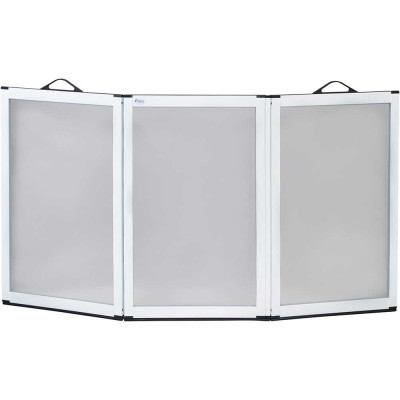
Bathroom Mobility Aids for Safer Everyday Routines
Bathrooms can become difficult to use when standing, sitting, transferring or reaching starts to require more effort. Bathroom mobility aids provide additional support for everyday personal-care routines without necessarily requiring a complete bathroom renovation.
The right product depends on which task has become difficult and whether the user needs support while standing, sitting or transferring.
Bathroom aids available can include:
- Bath lifts for powered lowering and raising within the bath
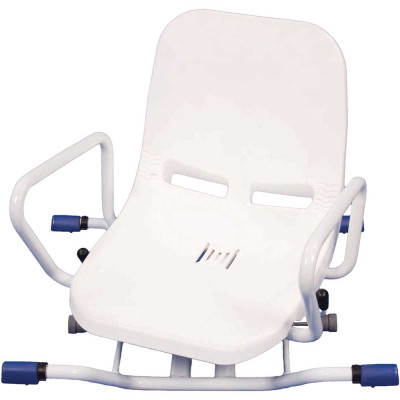
- Bath boards, bath seats and rotating bathers
- Shower stools, shower chairs and wall-mounted seats
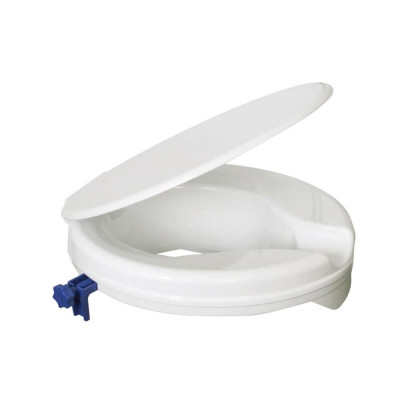
- Raised toilet seats and toilet frames
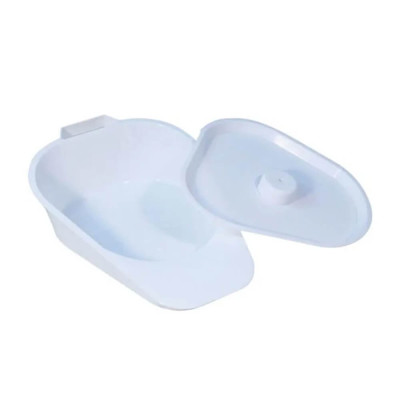
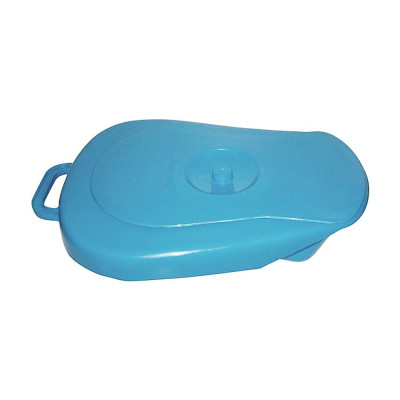
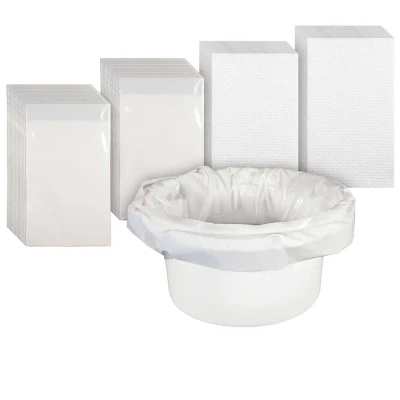
- Commode chairs, urinals and bedpans
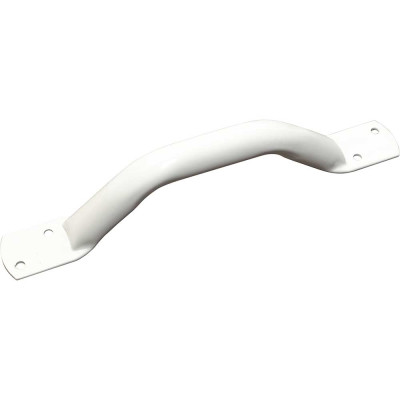
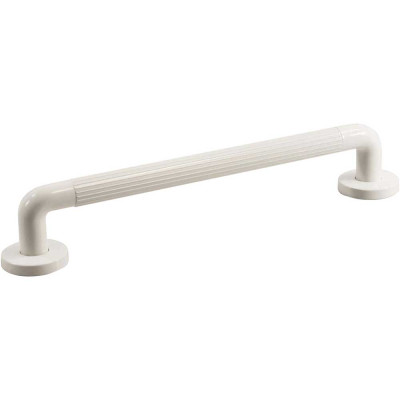
- Grab rails and support handles
- Long-handled washing and personal-care aids
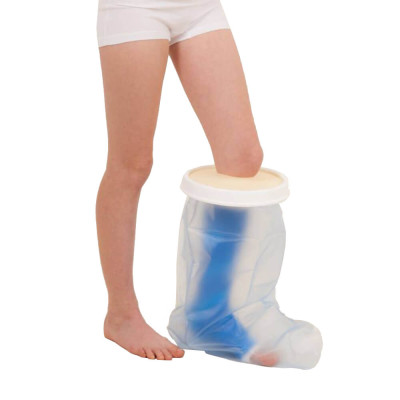
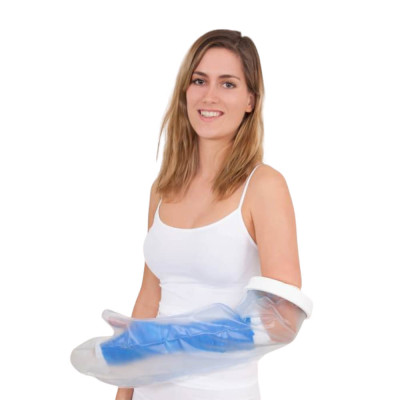
- Waterproof cast protectors
- Transfer and perching stools for supported daily tasks
Start With the Bathroom Task That Has Become Difficult
Bathroom products solve different problems, so it helps to begin with the exact movement or routine that feels unsafe.
- If standing in the shower is difficult: compare shower stools, chairs or wall-mounted shower seats
- If getting into the bath is difficult: consider a bath board, rotating bather or bath lift
- If sitting on or rising from the toilet is difficult: compare raised toilet seats, toilet frames and support rails
- If reaching the feet or lower body is difficult: consider long-handled washing aids
- If the bathroom cannot be reached safely: a commode, urinal or bedpan may provide more accessible toileting support
Where several movements are difficult, a combination of products may be needed rather than one individual aid.
Bath Aids and Bathing Equipment
Bath aids are designed to reduce the amount of lowering, lifting or stepping required when using a bath. The most suitable option depends on whether the user can transfer independently and how close they want to sit to the bottom of the bath.
Common bath aids include:
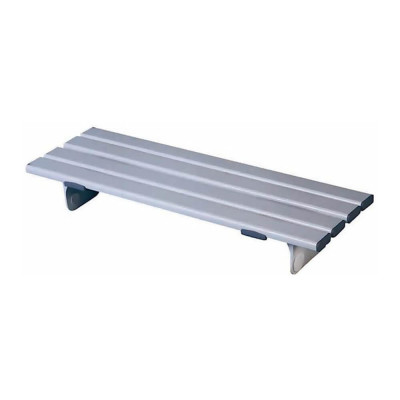
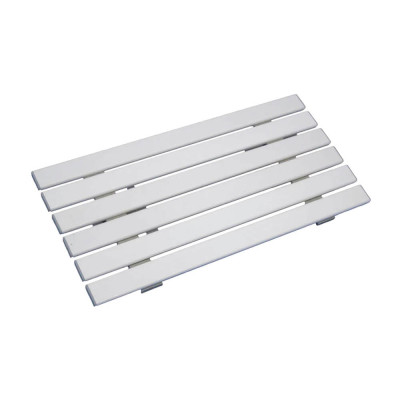
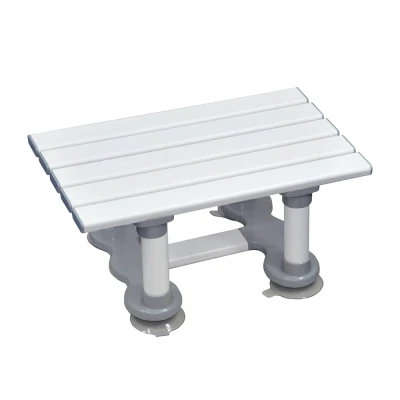
- Bath boards that sit across the bath and provide a supported transfer surface
- Bath seats that provide a raised sitting position inside the bath
- Rotating bathers that help users turn over the bath edge while seated
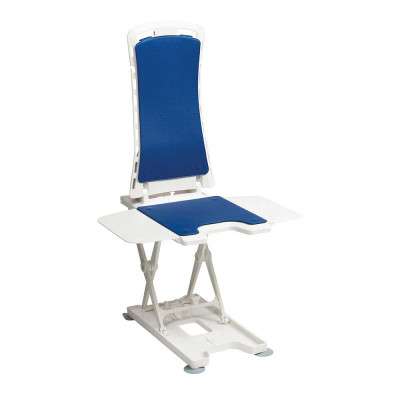
- Bath lifts that use powered movement to lower and raise the seated user
A bath board or seat may suit someone who can complete a seated transfer but does not need to sit at the bottom of the bath. A bath lift may be more suitable where the user wants to lower further into the water but cannot rise safely without assistance.
Bath Lifts for Easier Transfers
A bath lift sits inside the bath and raises or lowers the user using a rechargeable powered mechanism. It can help adults who find lowering themselves into the bath or rising afterwards difficult.
The current range includes the Bellavita Bath Lift, subject to availability and compatibility with the user and bath.
Before choosing a bath lift, check:
- Internal bath width and length
- Seat height and transfer position
- Maximum user weight
- Bath taps, screens and grab rails
- Whether a reclining backrest is needed
- Battery charging requirements
Shower Aids and Shower Seating
Shower aids allow users to wash while seated or with additional support. They can be useful where standing for the duration of a shower causes fatigue, discomfort or instability.
Options include:
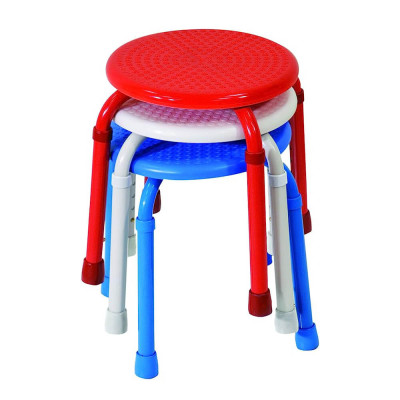
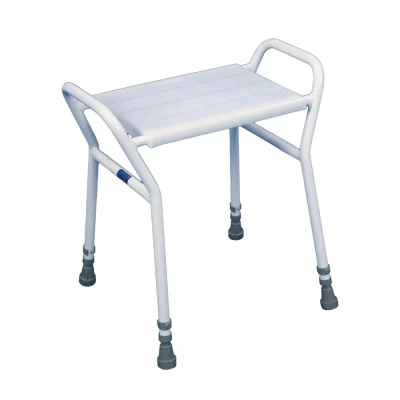
- Compact shower stools
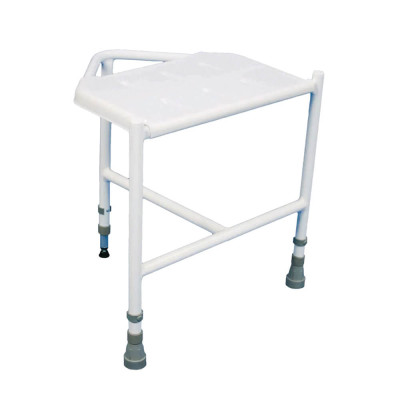
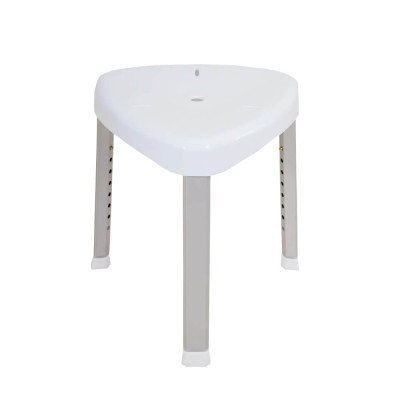
- Corner shower stools
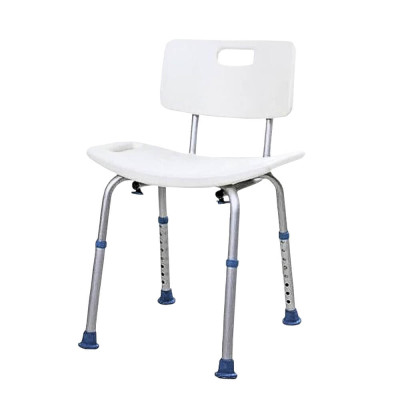
- Shower stools with backrests
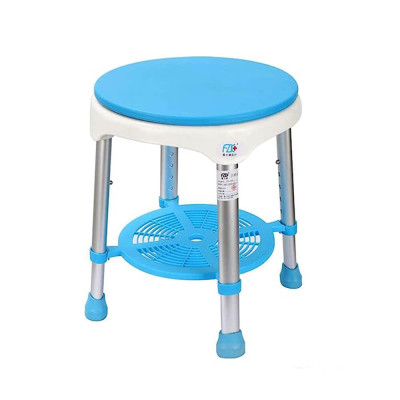
- Swivel shower stools
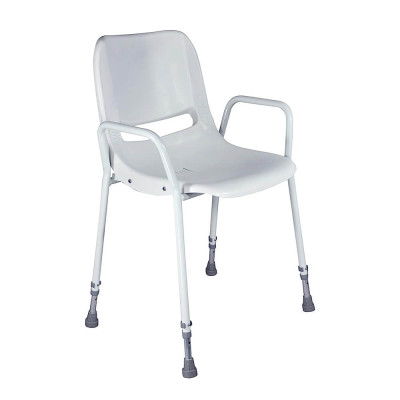
- Portable shower chairs
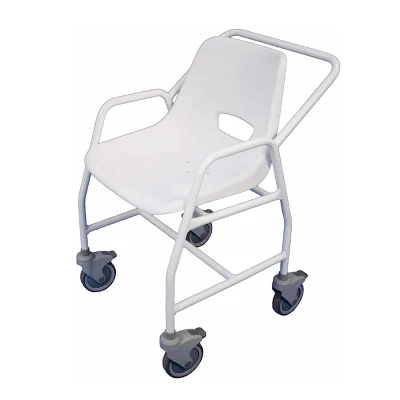
- Mobile shower chairs with castors
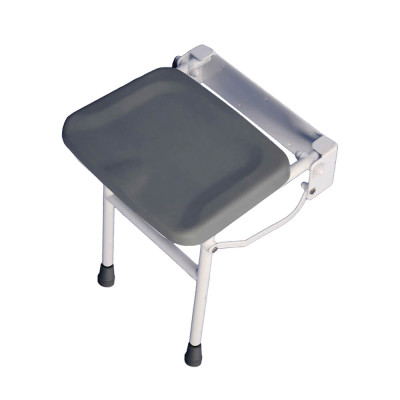
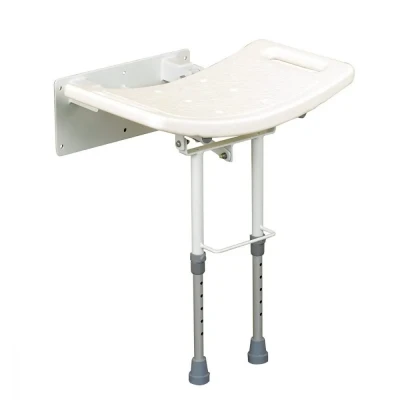
- Wall-mounted shower seats
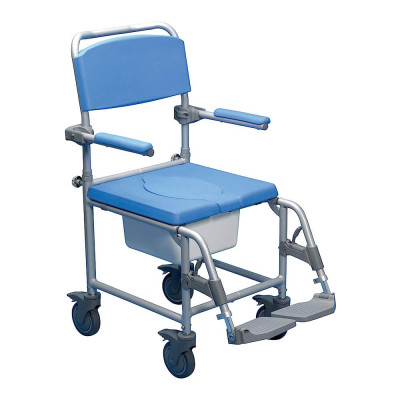
- Shower commode chairs
A compact stool may suit a smaller shower area, while a chair with arms and a backrest can provide more support. Mobile shower chairs and shower commodes are more specialist products and require sufficient space, safe flooring and appropriate carer support.
Choosing a Shower Stool or Shower Chair
Shower stools and chairs vary significantly in size and support.
Before buying, check:
- Shower tray or floor dimensions
- Seat width and depth
- Whether arms or a backrest are required
- Height adjustment range
- Maximum user weight
- Footprint and leg position
- Whether the feet are suitable for the shower surface
- Whether the user can transfer safely
The chair or stool should stand level without rocking, and all rubber feet or castors should be checked regularly.
Toilet Aids for Sitting and Standing
Toilet aids can reduce the distance a user needs to lower themselves and provide support when sitting down or standing up.
Common toileting aids include:
- Raised toilet seats
- Raised toilet seats with lids
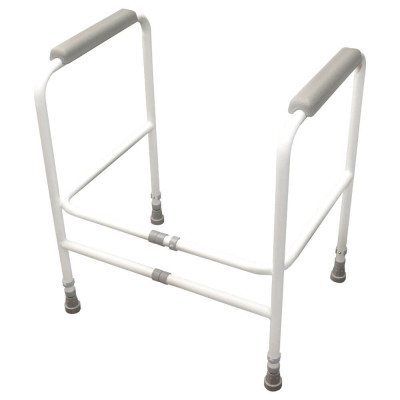
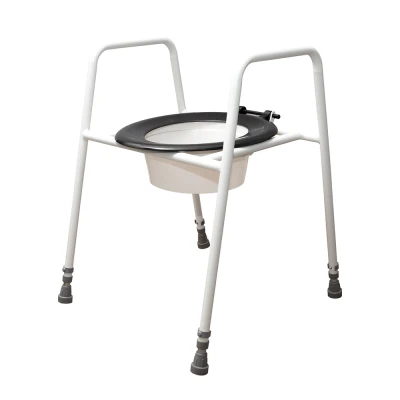
- Toilet frames
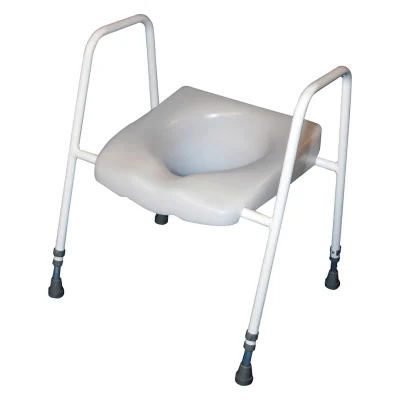
- Combined raised toilet seats and frames
- Hinged arm supports
- Grab rails positioned near the toilet
- Commode chairs
A raised toilet seat increases the sitting height. A toilet frame provides support at either side, while combined products offer both features.
The correct setup depends on toilet dimensions, available floor space and whether the user needs support on one or both sides.
Raised Toilet Seats and Toilet Frames
Raised toilet seats are available in different heights. Raising the toilet too much can leave the user’s feet unsupported, while insufficient height may not make standing noticeably easier.
Check:
- Existing toilet height
- Required additional height
- Toilet bowl shape and fixing method
- User weight capacity
- Whether a lid is required
- Whether arm support is also needed
Toilet frames should provide enough width for the user while fitting safely around the toilet and within the available bathroom space.
Commode Chairs and Accessible Toileting
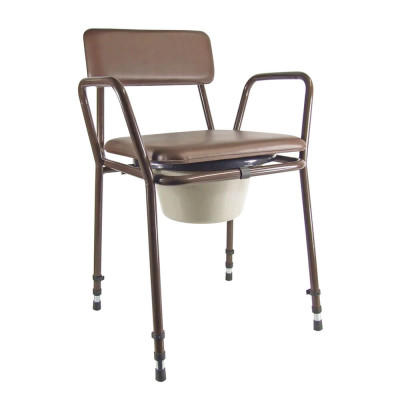
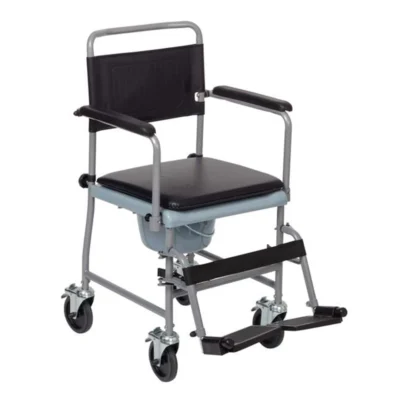
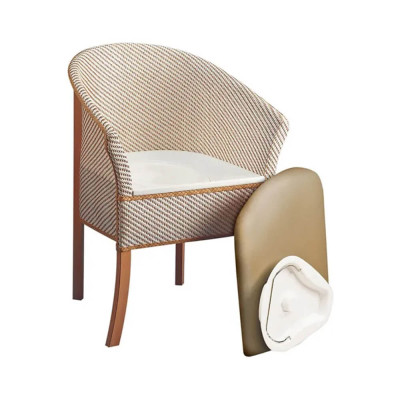
A commode can provide a more accessible toileting option where reaching the bathroom is difficult, particularly overnight or during recovery.
The current range includes height-adjustable commodes, mobile commode chairs, shower commodes and more discreet furniture-style commodes.
When choosing a commode, consider:
- Whether it will remain in one place or need moving
- Seat height and width
- Arm and back support
- Maximum user weight
- Bucket removal and cleaning
- Whether castors and brakes are required
- Whether it will also be used in the shower
Urinals, Bedpans and Commode Liners
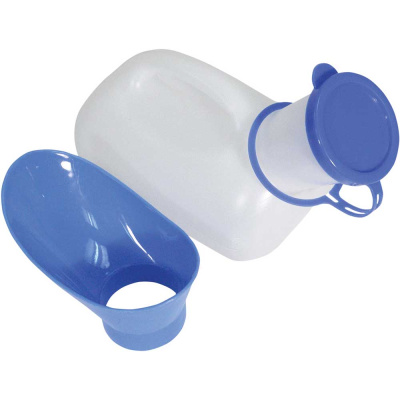
Portable urinals, bedpans and commode liners can help with toileting where transfer to a standard toilet or commode is not practical.
These products require careful hygiene and should be selected around the user’s position, dexterity and level of assistance.
- Portable urinals can provide a convenient option for male or female users
- Bedpans are used where the user needs to remain in bed
- Commode liners can make waste disposal and cleaning easier
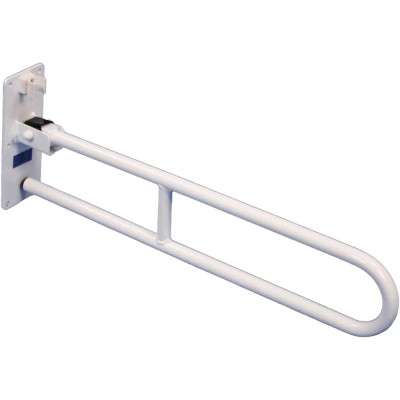
Grab Rails and Bathroom Support Handles
Grab rails provide a fixed point of support near baths, showers, toilets and other transfer areas.
Correct positioning and secure fixing are essential. A rail should be attached to a suitable structure and positioned around the user’s natural movement rather than installed purely where space is available.
Before fitting a grab rail, consider:
- Where the user reaches during transfers
- Whether horizontal, vertical or angled support is needed
- Wall construction and fixing strength
- Rail length and grip
- Whether professional installation is appropriate
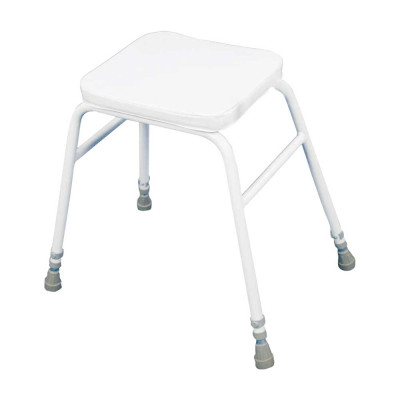
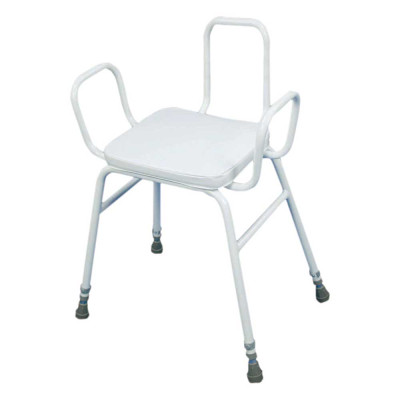
Perching Stools for Washing and Daily Tasks
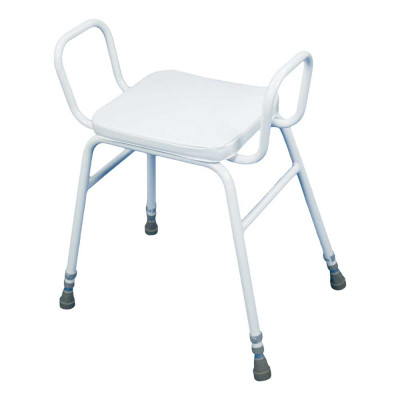
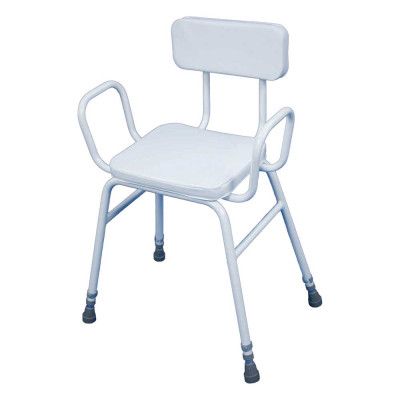
A perching stool allows the user to sit in a raised, slightly forward position while carrying out tasks such as washing at a sink, dressing or preparing for a shower.
They differ from standard shower stools and should only be used in wet areas where the individual product is designed for that purpose.
Options can include simple stools, stools with arms, backrests or padded supports.
Long-Handled Washing and Personal-Care Aids
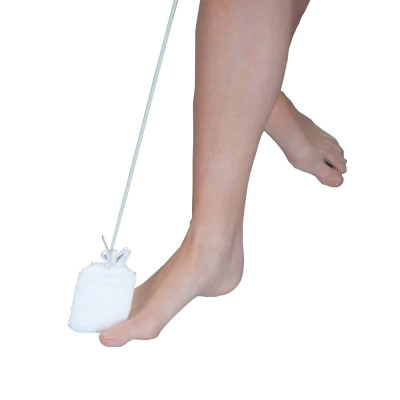
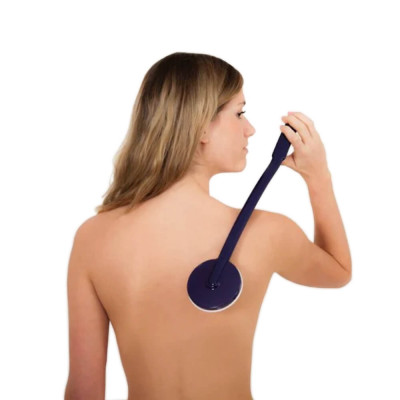
Long-handled washing aids can help users reach their feet, lower legs or back without excessive bending or twisting.
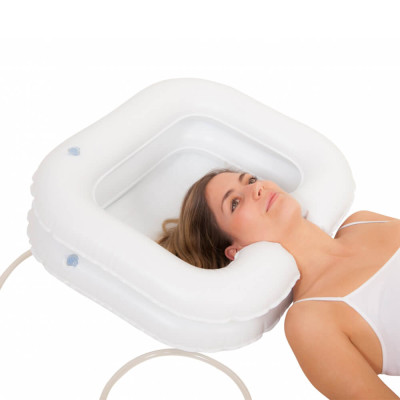
The current range includes toe washers, lotion applicators and shampooing aids. These can be useful for users with reduced reach, joint stiffness or limited upper-body movement.
Choose a handle length and grip that the user can manage comfortably, especially where hand strength or dexterity is limited.
Waterproof Cast Protectors
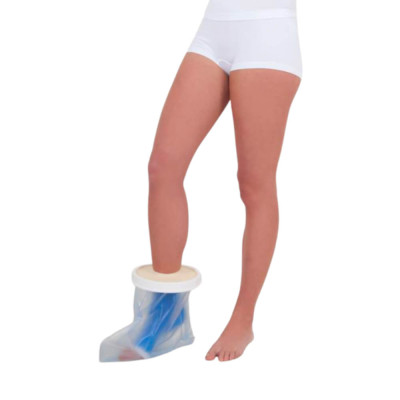
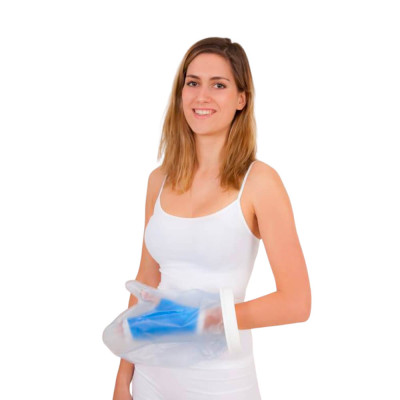
Waterproof cast protectors help shield casts or dressings from water while bathing or showering. Options are available for arms, hands, legs and feet, including selected adult and child sizes.
They should be fitted according to the product instructions and checked for damage before each use. They should not be used for swimming unless the manufacturer specifically states that this is suitable.
Measuring Your Bathroom Before Buying
Bathroom aids must fit the space as well as the user.
Useful measurements include:
- Bath length, width and depth
- Shower tray width and available floor space
- Toilet height and bowl dimensions
- Space beside and in front of the toilet
- Doorway width
- Clearance for chair arms, legs or castors
- Wall locations suitable for grab rails
Also consider whether carers need room to assist and whether equipment will remain in position or be removed after use.
Bathroom Safety and Professional Advice
Bathroom aids can improve confidence, but no individual product eliminates every risk. Wet floors, rushed transfers and unsuitable equipment can still lead to falls or injury.
Users with complex mobility needs, significant weakness or previous falls may benefit from assessment by an occupational therapist or another appropriate healthcare professional.
Modern Mobility can help you compare bathroom products, dimensions and equipment types before ordering.
You may also find it useful to browse bath lifts, bathroom seating, bath and shower aids, toilet aids, grab rails and handles, transfer aids or the wider living aids range.
Bathroom Mobility Aid FAQs
Bathroom aids support bathing, showering, toileting and personal care for users with different mobility needs.
What are bathroom mobility aids?
Bathroom mobility aids are products designed to make bathing, showering, washing and toileting safer and easier for people with reduced mobility.
What bathroom aids help elderly users?
Common options include shower stools, bath boards, bath lifts, raised toilet seats, toilet frames and grab rails.
What helps someone stand safely in the shower?
Grab rails can provide additional support, while shower stools or chairs allow the user to wash while seated instead of standing.
What can help someone get into a bath?
Bath boards, rotating bathers and bath lifts can support different levels of transfer and bathing ability.
What is the difference between a bath board and bath lift?
A bath board provides a fixed seat across the bath. A bath lift lowers and raises the seated user using powered movement.
What helps an elderly person get off the toilet?
A raised toilet seat, toilet frame, grab rail or combined raised seat and frame can reduce the effort required.
What is a shower commode chair?
A shower commode combines supported shower seating with toileting functions and may include castors for assisted movement.
Do bathroom aids need professional installation?
Many portable products do not, but fixed grab rails, wall-mounted seats and more specialist equipment may require secure professional installation.
Do I need to measure the bathroom first?
Yes. Check bath, shower and toilet dimensions, floor space, doorway width and any required transfer clearance.
Are bathroom aids suitable for disabled adults?
Yes, although the correct product depends on the user’s strength, balance, transfer ability and support requirements.
Can Modern Mobility help me choose bathroom aids?
Yes. Contact Modern Mobility for help comparing bathroom seating, bath lifts, toilet aids, grab rails and other support products.