- Mobility Scooters
-
- Furniture
-
-
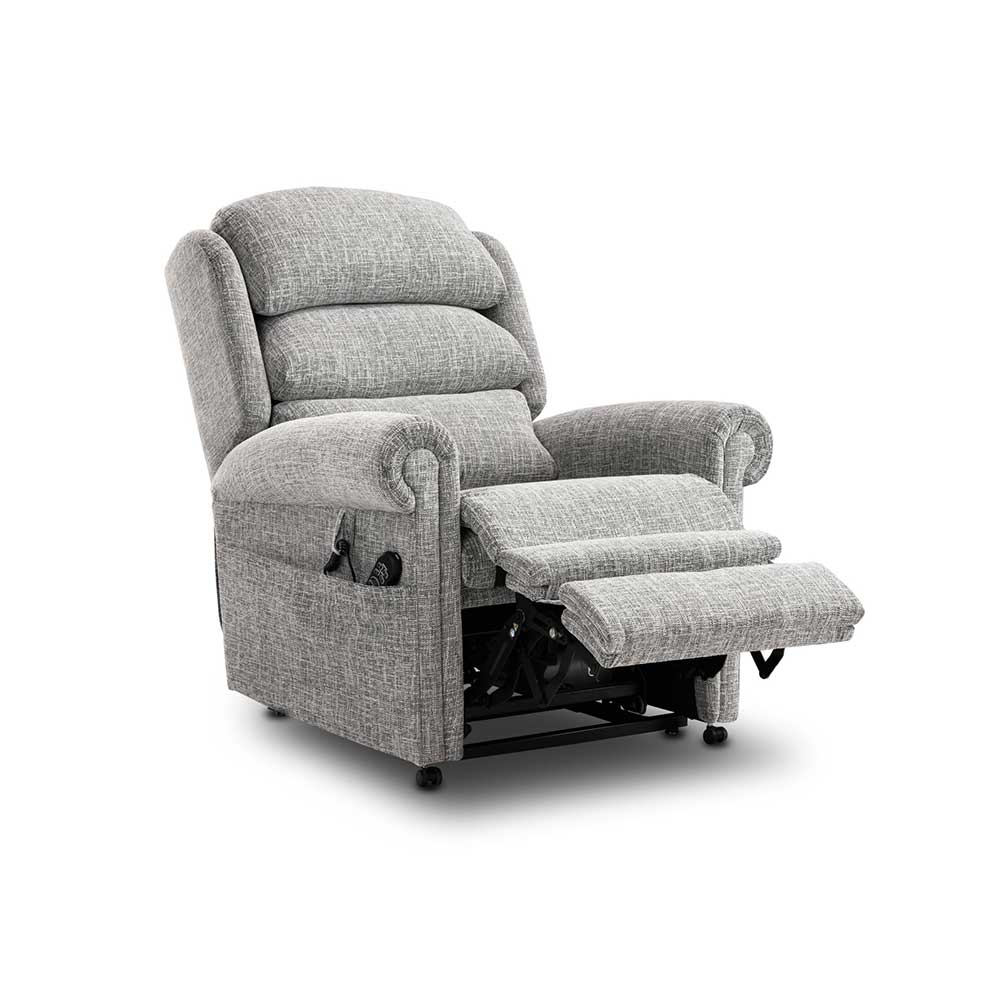
Riser Recliners
-
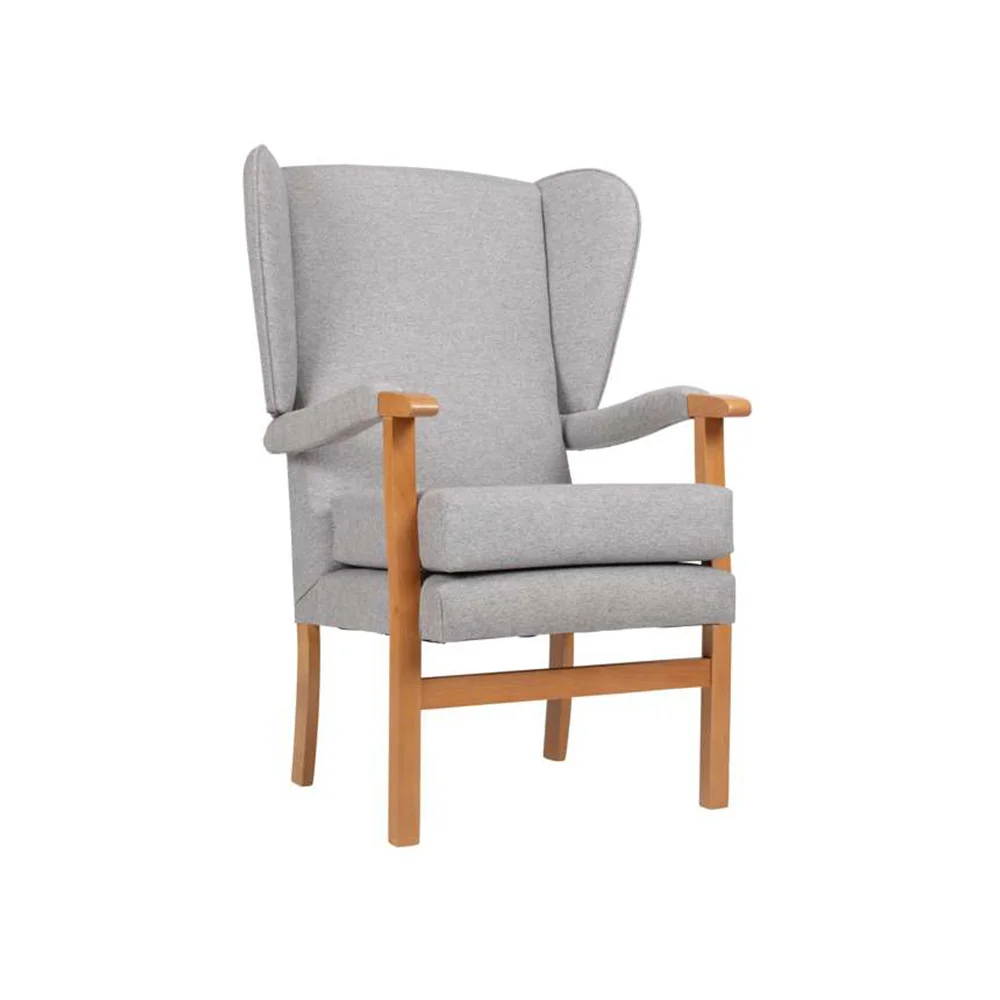
Fireside Chairs
-
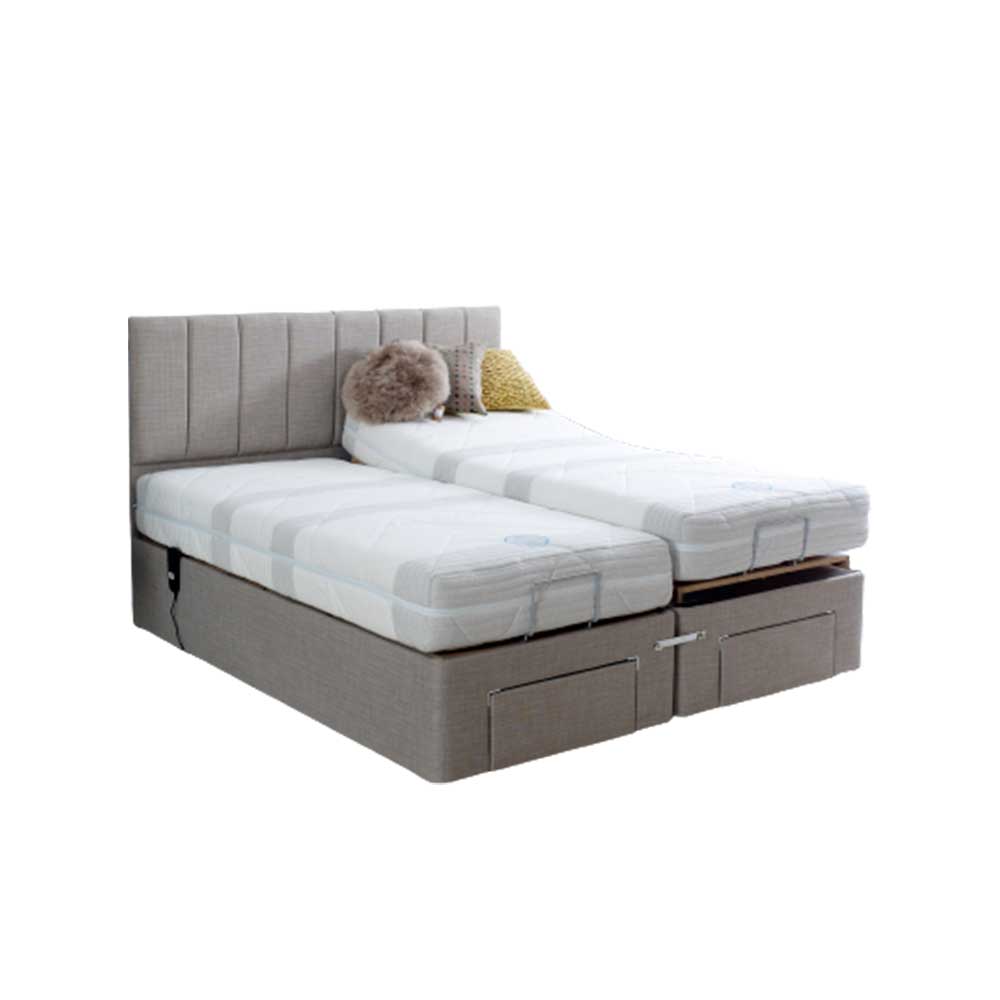
Adjustable Beds
-
Mattresses
-
-
- Stairlifts
-

Showing all 87 results
Mobility Scooters
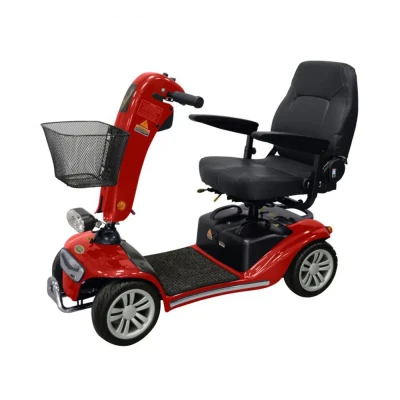
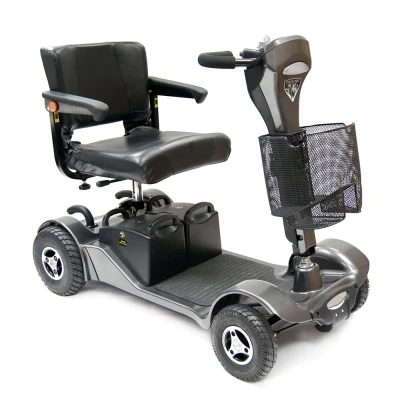
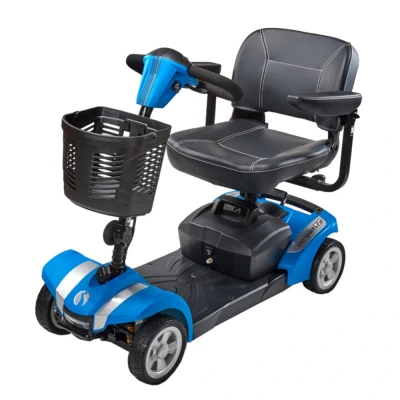
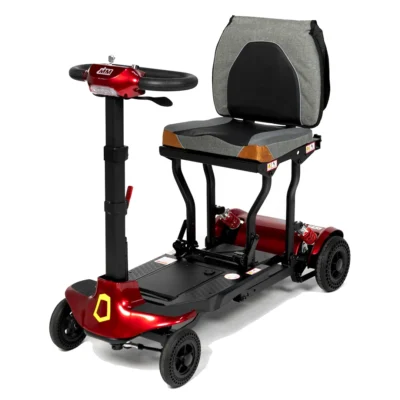
Shop mobility scooters for sale at Modern Mobility, including car boot, folding, pavement, large and road-ready models. Compare scooters by portability, comfort, speed and intended use to find the right option for your everyday journeys.
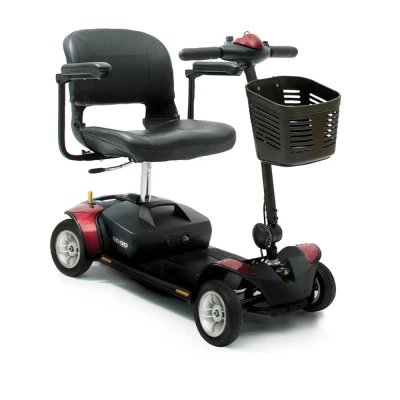
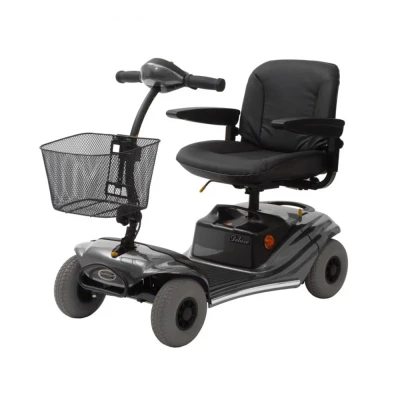
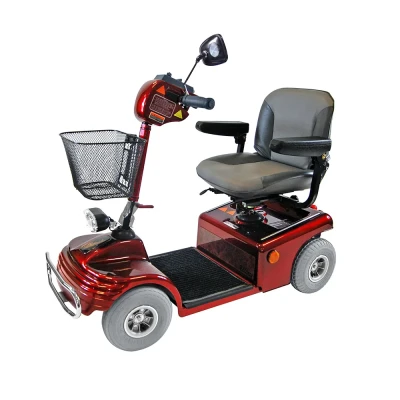
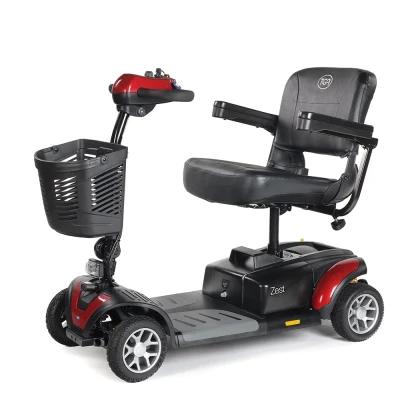
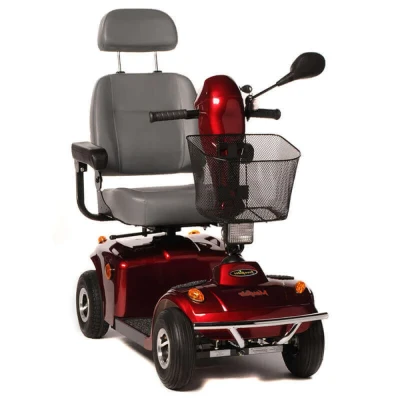
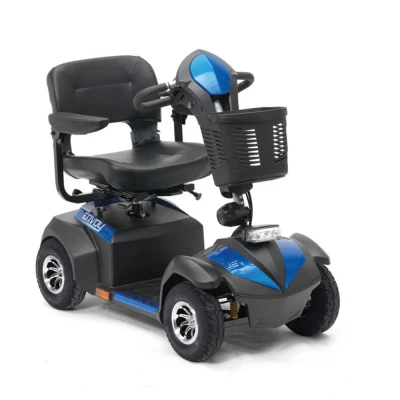
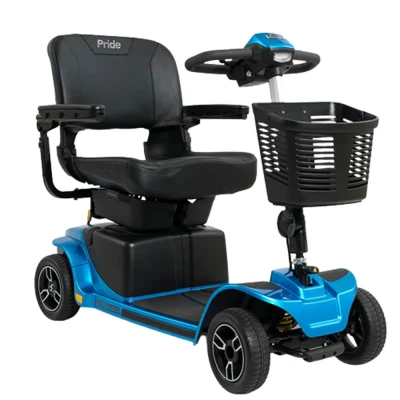
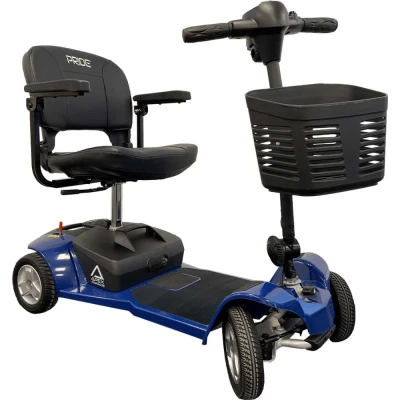
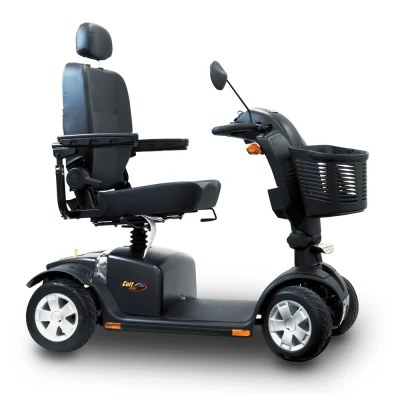
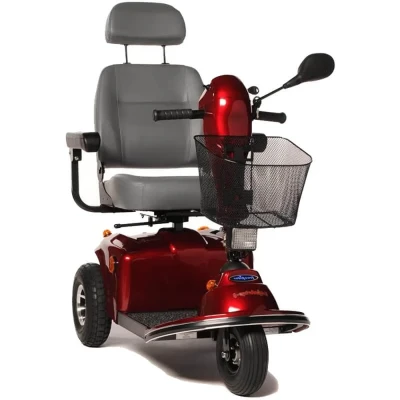
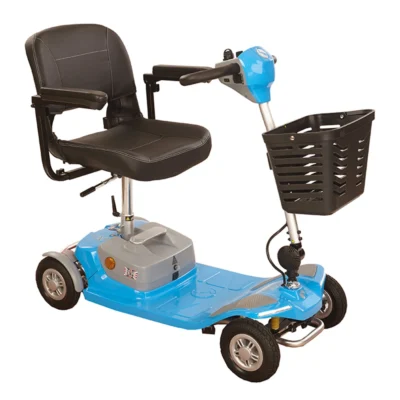
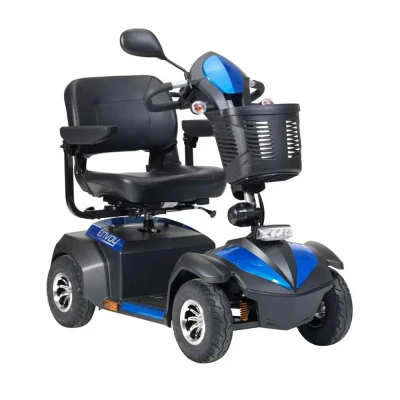
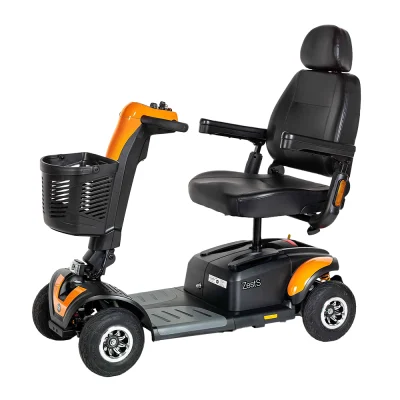
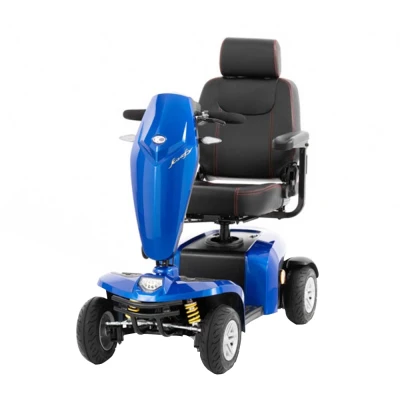
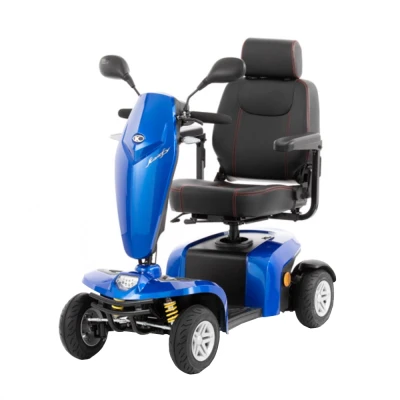
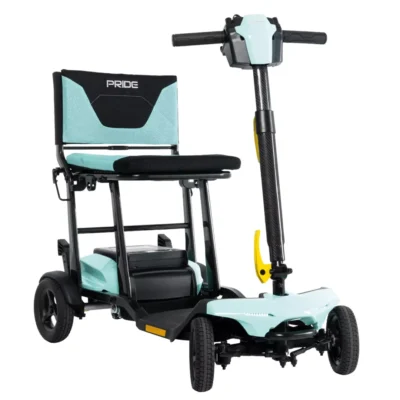
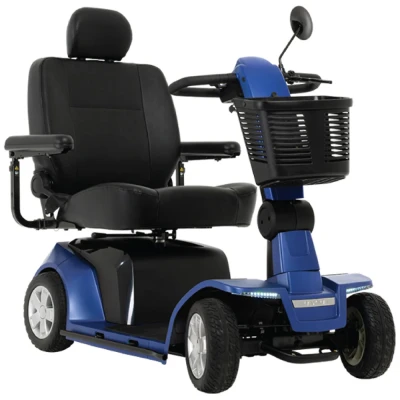
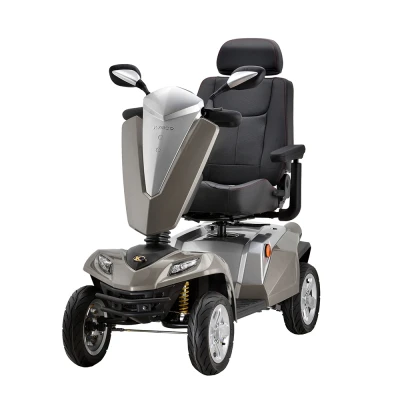
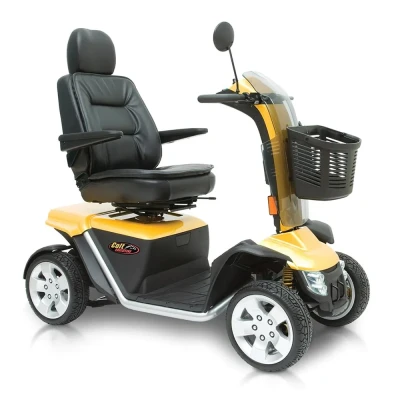
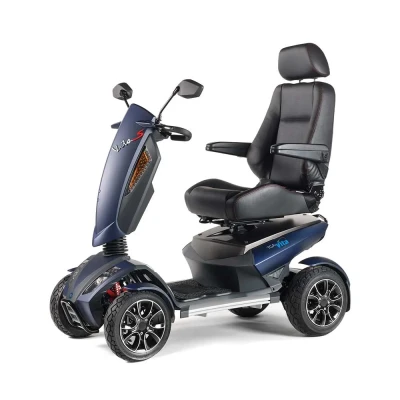
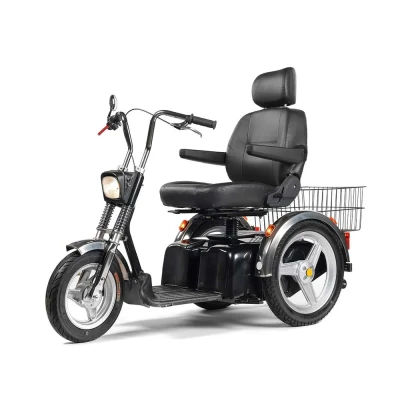
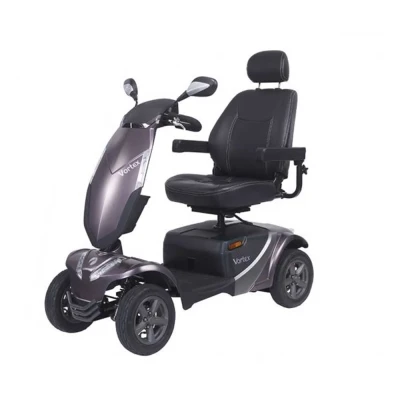
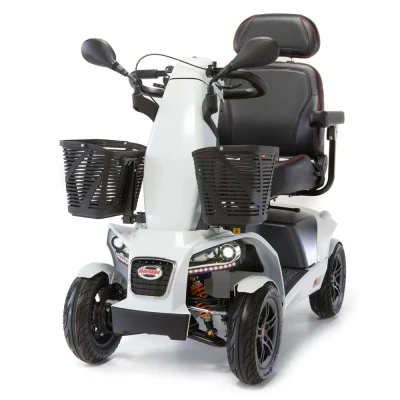
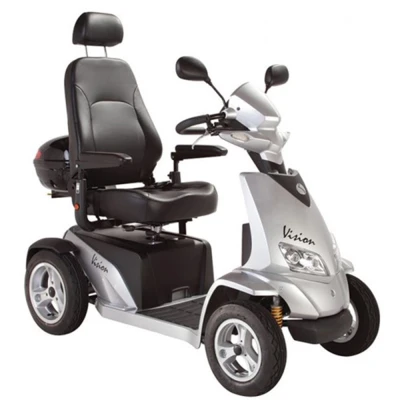
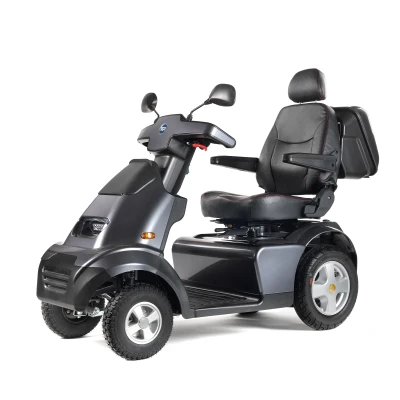
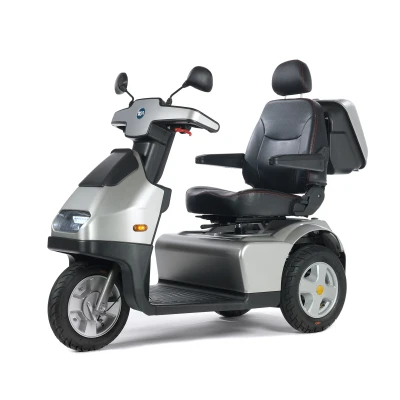
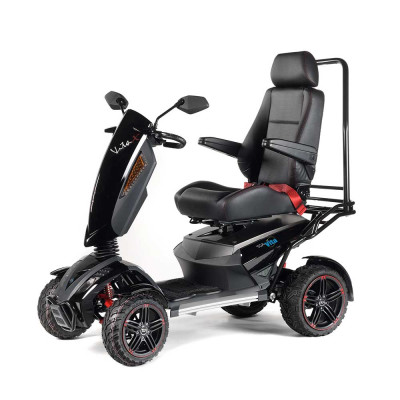
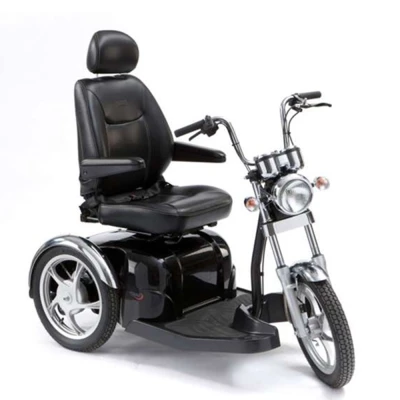
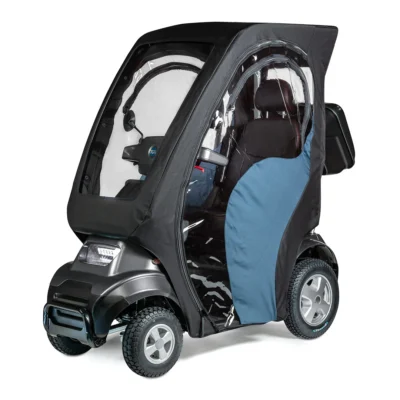
Compare Mobility Scooter Types
Mobility scooters vary considerably in size, portability, speed, comfort and intended use. The right option depends on the journeys you make, whether the scooter needs to travel in a car and how much outdoor performance you require.
Use the comparison below to understand the main differences before exploring each scooter type in more detail.
| Scooter Type | Often Best For | Key Considerations |
|---|---|---|
| Small Scooter | Shorter journeys, easier storage and everyday manoeuvrability | Comfort, journey range, storage space and portability |
| Car Boot Scooter | Travelling by car, shopping trips and occasional outings | Component weight, dismantling and available boot space |
| Folding Scooter | Travel, holidays and limited storage space | Folded dimensions, total weight and battery type |
| Pavement Scooter | Local journeys, shops and everyday pavement use | Turning circle, storage and typical journey range |
| Medium Scooter | Regular local journeys and a balance of comfort and manoeuvrability | Overall size, turning circle, comfort and storage |
| Large Scooter | Regular outdoor use and longer, more comfortable journeys | Overall size, seating, suspension and storage space |
| 6–8mph Scooter | Longer journeys and users requiring road capability | Class 3 requirements, range, road equipment and registration |
| Off-Road Scooter | Rougher ground and more demanding outdoor terrain | Ground clearance, tyres, suspension and terrain suitability |
Understanding the Different Types of Mobility Scooter
Our mobility scooter range typically covers several distinct scooter types, with stock, colours and individual models changing according to current availability.
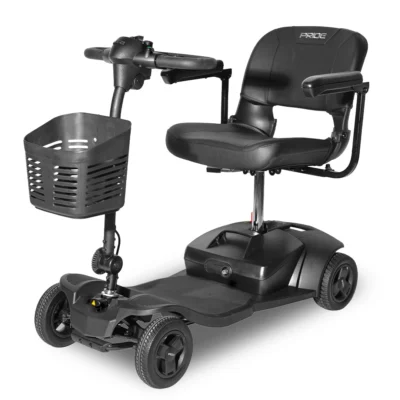
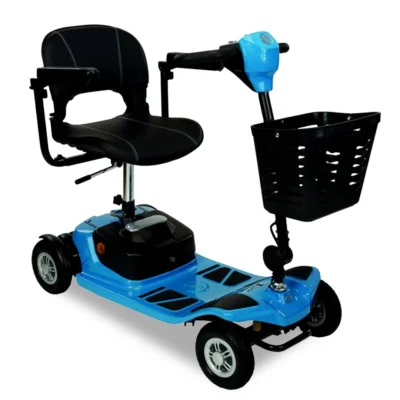
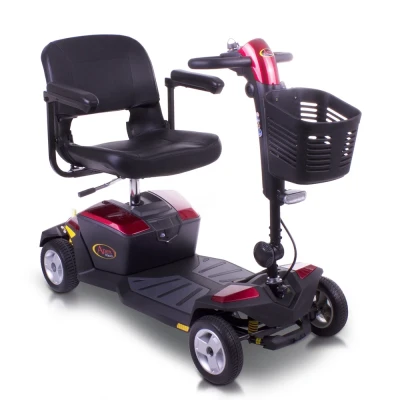
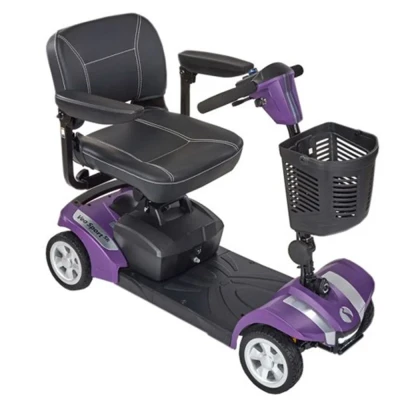
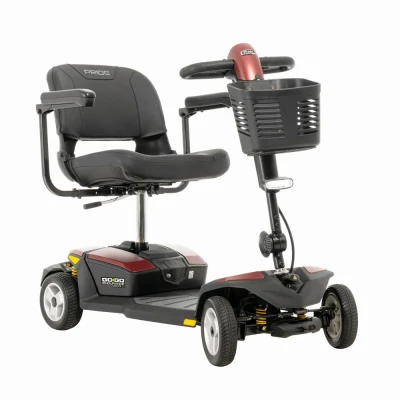
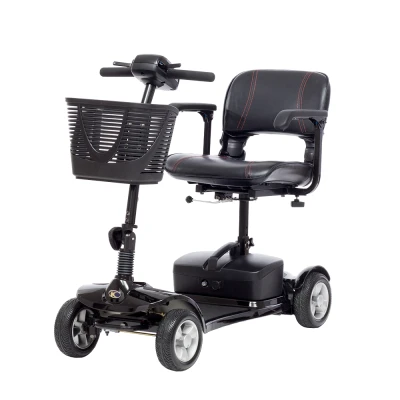
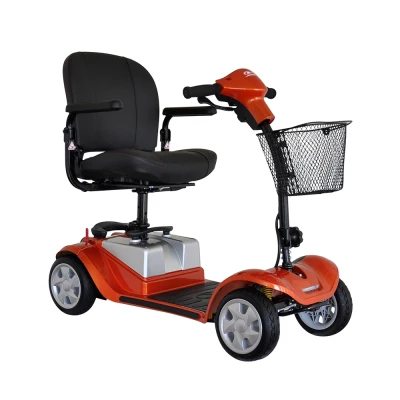
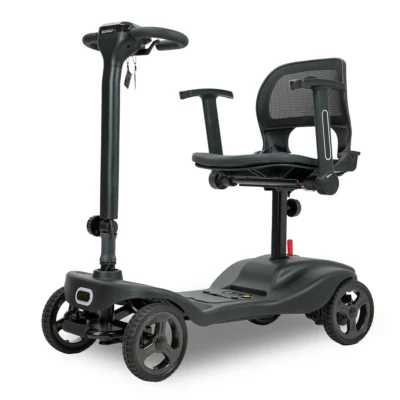
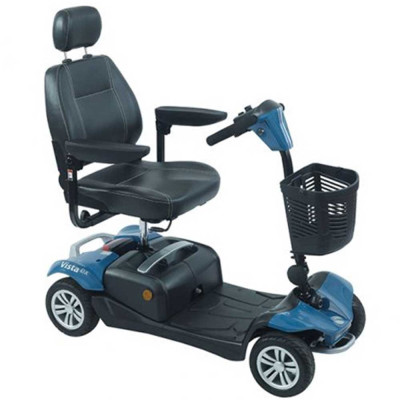
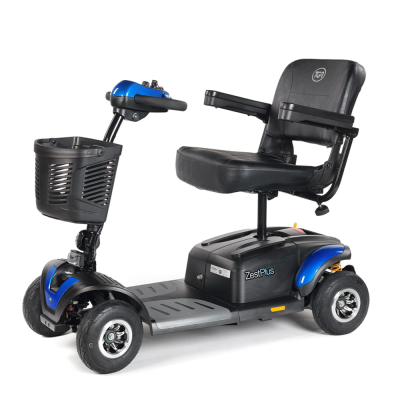
Small mobility scooters are compact models intended for shorter journeys, easier storage and everyday manoeuvrability. This part of the range typically includes portable car boot scooters, folding models and lightweight scooters for local travel.
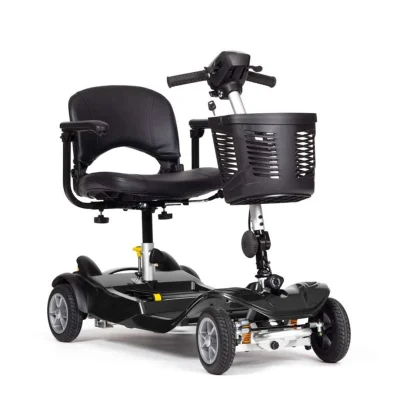
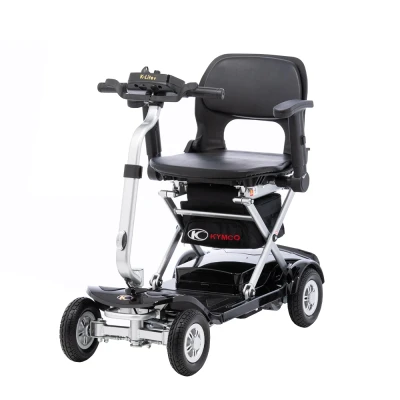
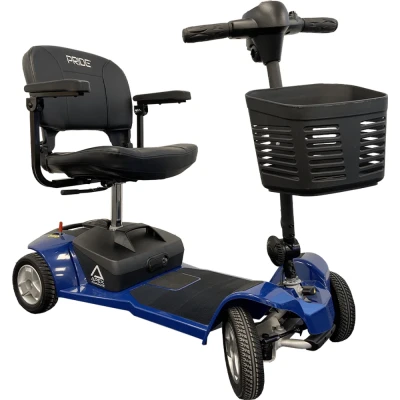
Designed to dismantle into lighter sections for transport, car boot scooters are often chosen by people who regularly travel by car. Before buying, check the weight of the heaviest component and make sure the dismantled scooter will fit safely in your vehicle.
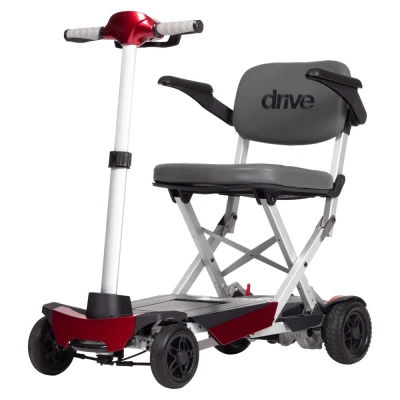
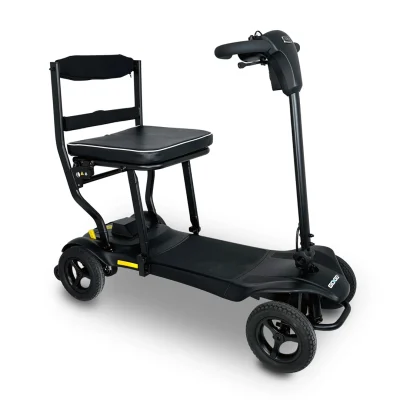
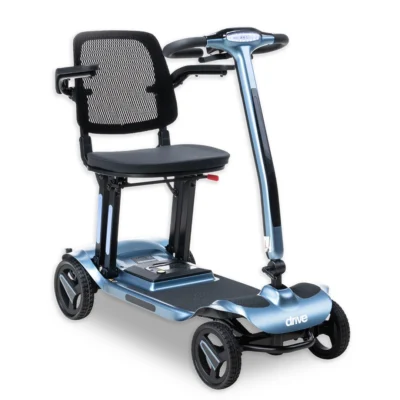
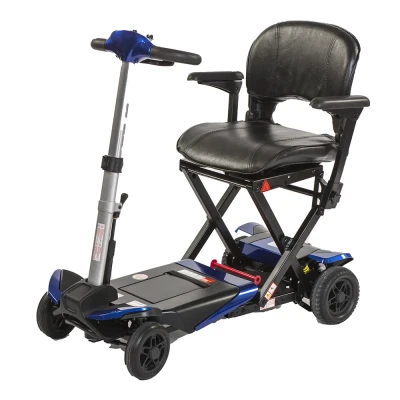
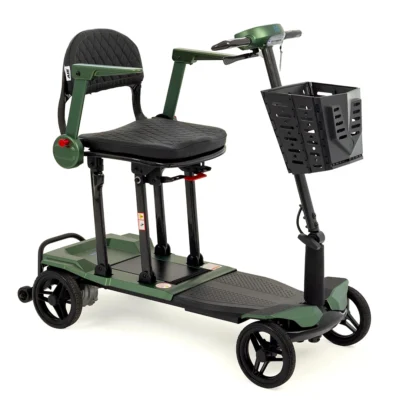
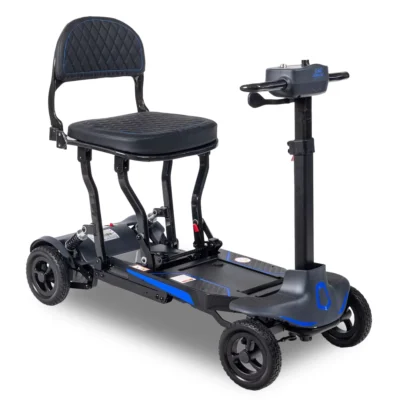
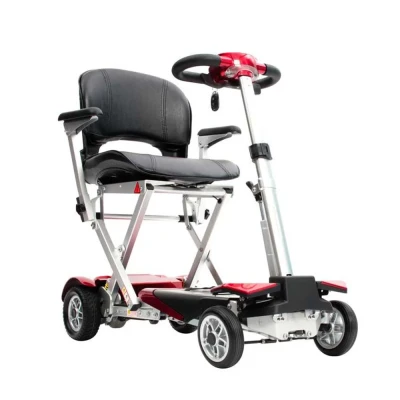
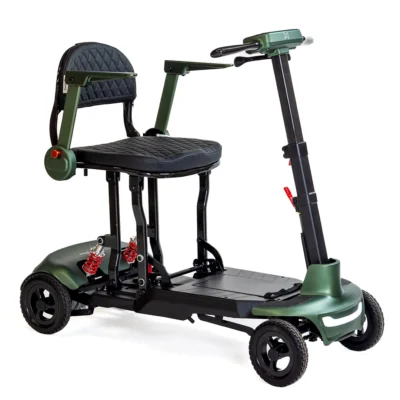
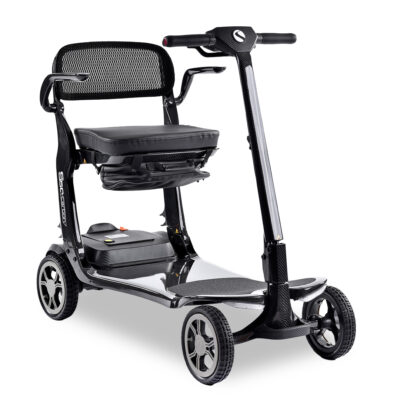
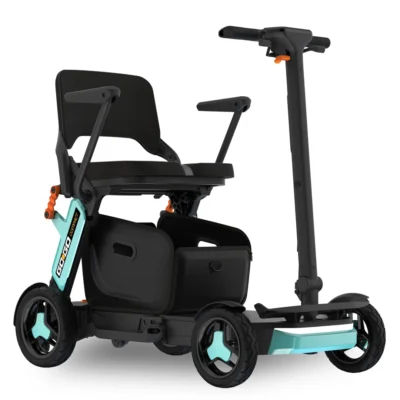
Folding scooters collapse into a more compact shape for storage and travel. They can be particularly useful for holidays, days out and homes with limited storage, although folded dimensions, battery type and total lifting weight vary between models.
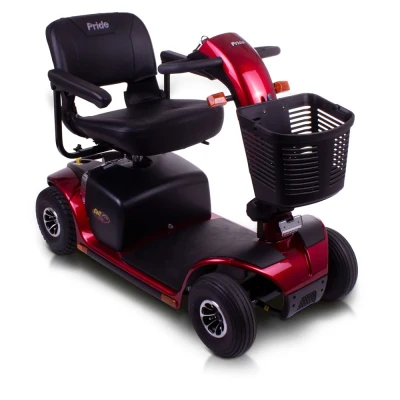
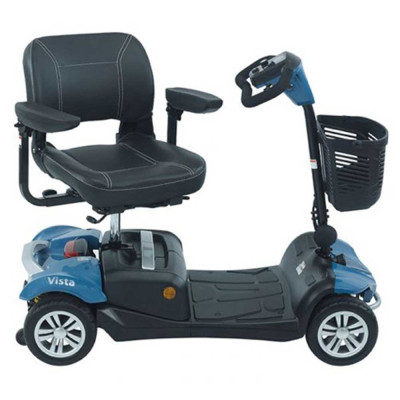
Pavement scooters are generally Class 2 models intended for local journeys, shopping and everyday pavement use. They are often more compact than full-size scooters and typically have a maximum speed of 4mph.
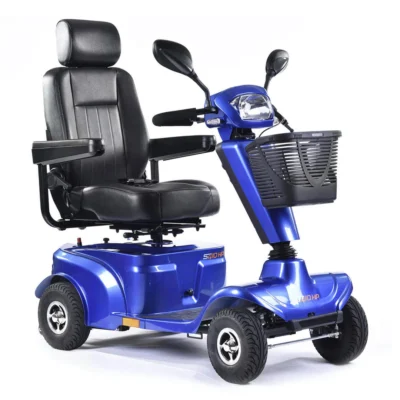
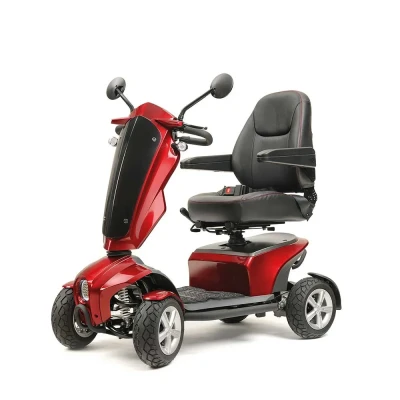
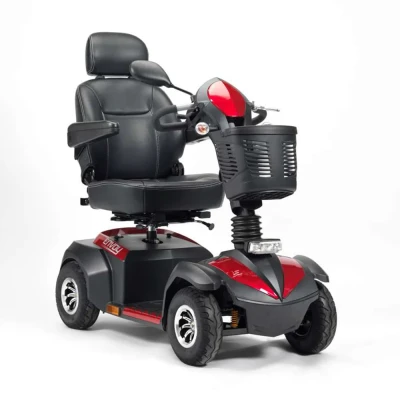
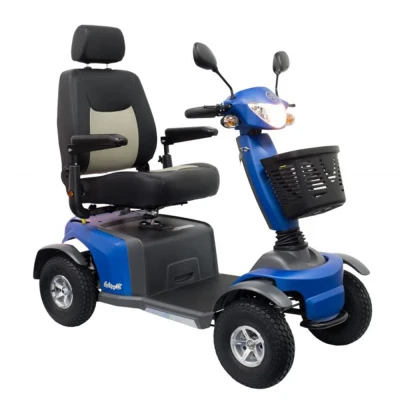
Medium mobility scooters provide a balance between portability and outdoor comfort. They are often chosen by people who want a more supportive scooter than a lightweight travel model without moving to a full-size road-ready scooter.
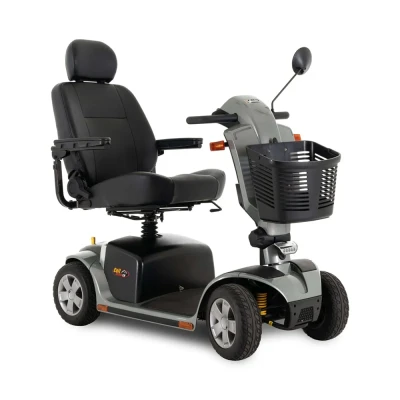
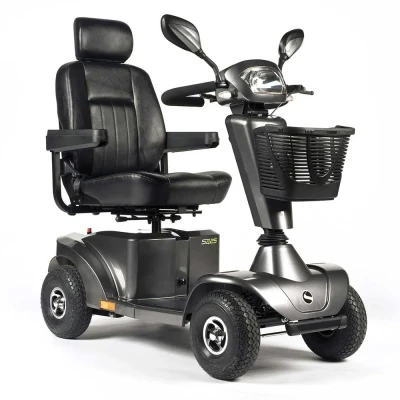
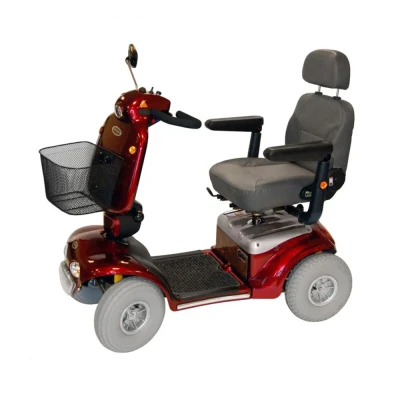
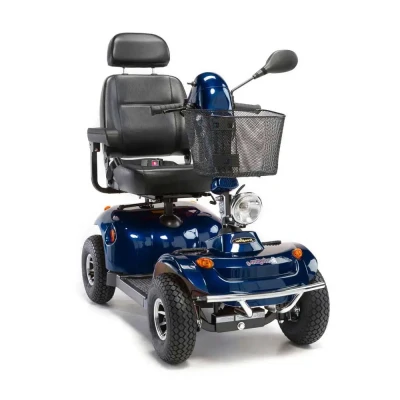
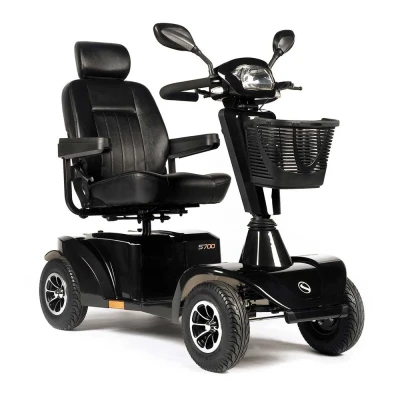
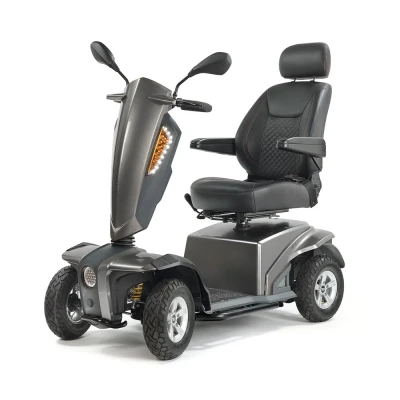
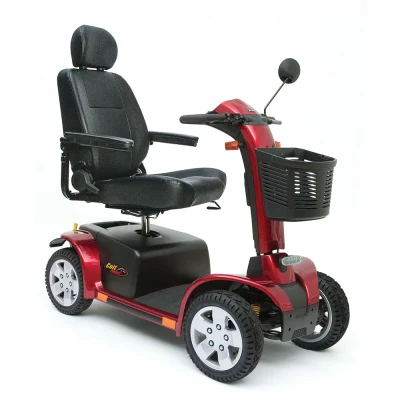
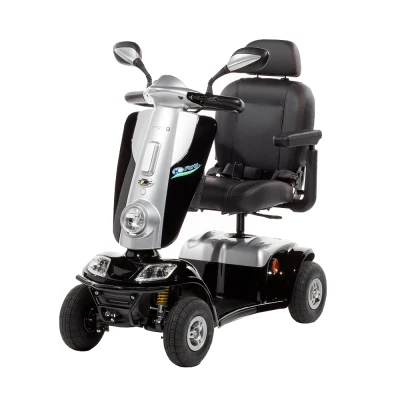
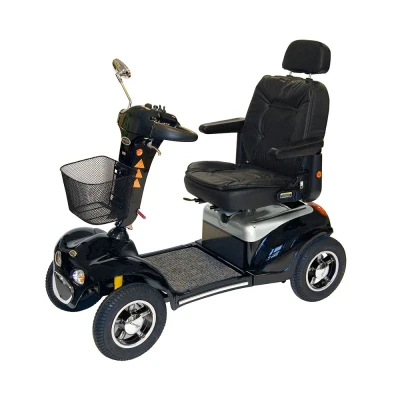
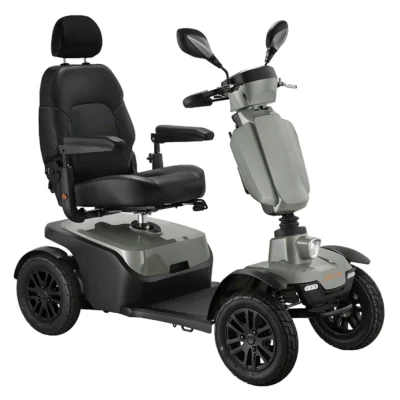
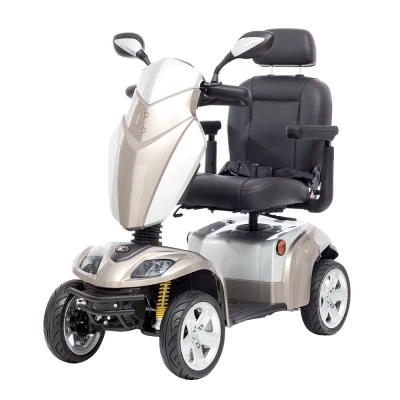
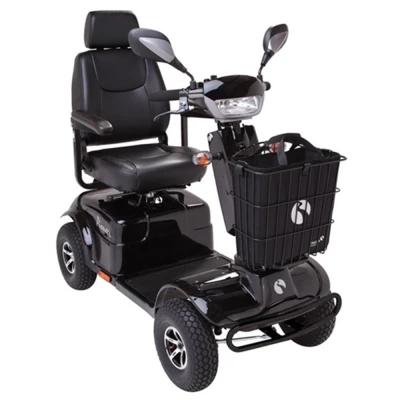
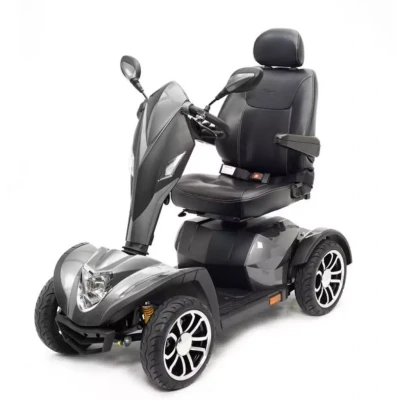
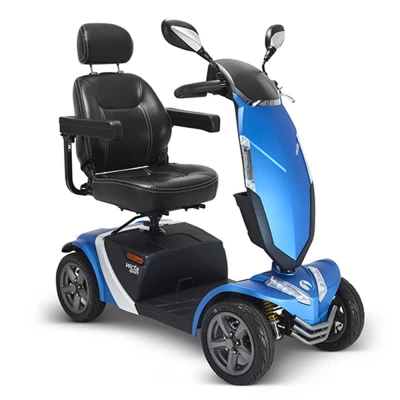
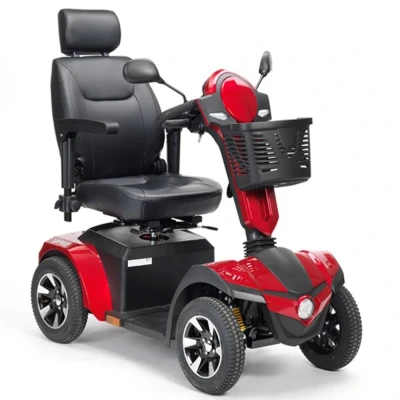
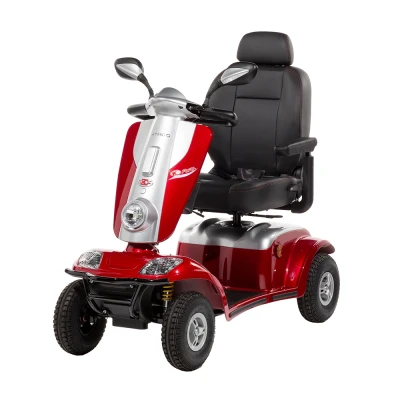
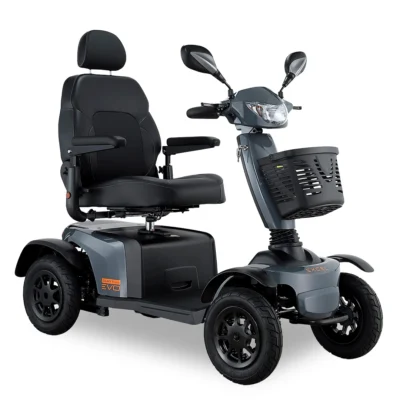
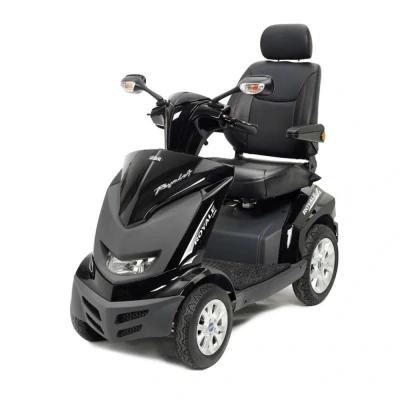
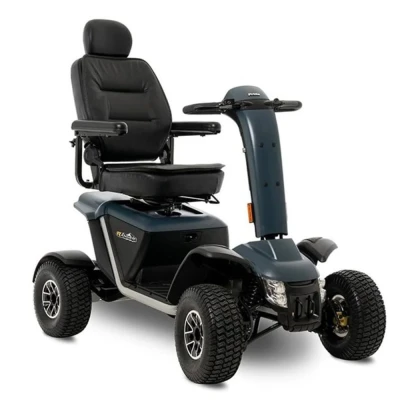
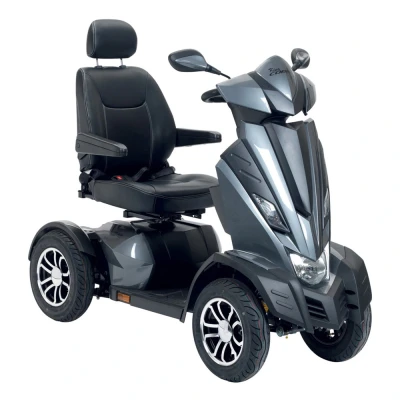
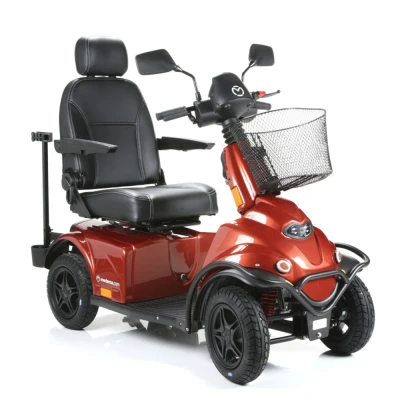
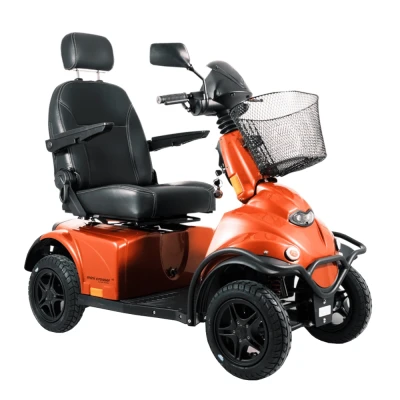
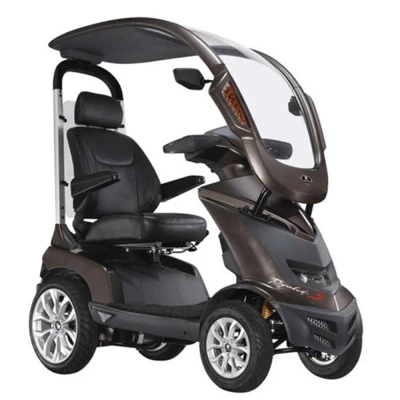
Large mobility scooters are designed for users who value comfort, stability and stronger outdoor performance. Depending on the model, they may provide larger wheels, improved suspension, more supportive seating and higher maximum user weight capacities.
These are typically larger Class 3 scooters built for longer journeys and road use where appropriate. Depending on the model, they may include lights, indicators, mirrors and higher-capacity batteries, but the classification and road-use equipment should always be checked before buying.
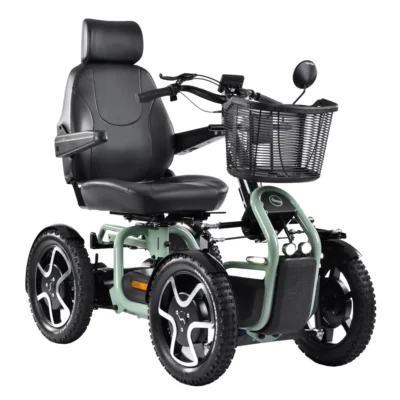
Off-road scooters are intended for more demanding outdoor use than standard pavement models. Depending on the product, they may feature increased ground clearance, larger tyres, stronger suspension and more robust frames for rougher terrain.
What to Consider Before Buying a Mobility Scooter
A scooter that appears suitable online may not be practical if it is too heavy to lift, too large to store or uncomfortable over the journeys you regularly make. Compare the specification against your actual routine before deciding.
- Journey distance – Choose a stated battery range that comfortably exceeds your normal journeys. Actual range can be reduced by hills, user weight, temperature, tyre pressure, battery condition and driving style.
- Portability – Check whether the scooter folds, dismantles or requires lifting equipment. Pay particular attention to the heaviest individual component.
- Comfort – Seat width, seat depth, back support, suspension, armrests, legroom and tiller position can all affect long-term comfort.
- Speed and classification – Consider whether a Class 2 pavement scooter is sufficient or whether you require a Class 3 scooter capable of road use.
- Storage and charging – Confirm the scooter will fit through gates, entrances and storage areas and can be charged in a safe, dry location.
- User weight – The scooter must safely support the user as well as any shopping, accessories or equipment regularly carried.
- Turning circle – A smaller turning radius can make shops, pathways and tighter spaces easier to navigate.
- Battery type – Lithium batteries are commonly used in lighter travel scooters, while larger models may use higher-capacity battery systems.
Contemporary Mobility Scooters for Different Lifestyles
Mobility scooters are available in a much wider variety of designs than they once were. Depending on current stock, shoppers may find compact travel scooters, lightweight aluminium and carbon-fibre models, scooters with lithium batteries, brighter colour options and premium outdoor designs with larger wheels and more substantial seating.
This gives adults of different ages more choice when balancing appearance with practical requirements. Styling and colour may influence the decision, but safe seating, suitable controls, stability, user capacity and ease of storage should remain the main priorities.
Mobility Scooter Prices
The cost of a mobility scooter depends on its size, construction, battery, range, seating and performance. Portable models are generally positioned at the lower end of the market, while large, road-ready and specialist outdoor scooters typically cost more because of their heavier construction and additional equipment.
Our current products cover a broad range of price points, from more affordable portable scooters to premium road-ready and specialist outdoor models. Prices, promotions and available configurations can change, so check the individual product page for the latest cost and specification.
When comparing prices, check what is included with the scooter and whether you require delivery, assembly, demonstrations, accessories or ongoing servicing. A cheaper model is not necessarily better value if it does not suit the user’s journeys, storage arrangements or support needs.
Why Choose Modern Mobility?
Modern Mobility has supplied mobility and rehabilitation equipment since 1997. Our team can help customers compare scooters according to their measurements, intended journeys, transport requirements, storage arrangements and preferred features.
Customers can visit our stores in Blackburn, Chorley, Clitheroe and Leicester for advice and to compare suitable products. Demonstrations may also be available depending on the scooter, location and current availability.
Support does not end when a scooter is purchased. Modern Mobility also provides servicing and repairs through manufacturer-trained technicians, alongside ongoing product support. Selected purchases may be available with finance, subject to status and eligibility, while suitable scooters may also be available through the Motability Scheme.
Whether you are buying your first mobility scooter or replacing an existing model, our aim is to help you choose a scooter that genuinely suits your lifestyle rather than simply recommending the most expensive option.
Mobility Scooters from Leading Manufacturers
Depending on current availability, our mobility scooter range may include products from many of the industry’s most recognised manufacturers, such as Pride Mobility, Electric Mobility, Kymco, Shoprider, TGA, Drive DeVilbiss, Sunrise Medical, Freerider, Monarch Mobility and VanOs Medical.
Stock, colours and individual models can change. If a particular scooter or manufacturer is not currently displayed, contact Modern Mobility to ask about availability or suitable alternatives.
You may also want to compare our approved used mobility scooters if you are looking for a serviced, lower-cost alternative to buying new.
Mobility Scooter FAQs
What type of mobility scooter do I need?
Choose according to your normal journeys. Car boot and folding scooters are generally better for transport, pavement scooters suit local travel, and medium or large models offer more support for regular outdoor use. Class 3 scooters may be appropriate if road capability is required.
Which mobility scooter is best for everyday use?
The best everyday mobility scooter depends on your typical journeys, storage space and comfort requirements. Pavement and medium mobility scooters can suit regular local use, while larger scooters may be a better option for people travelling longer distances outdoors.
How much does a mobility scooter cost?
Prices vary according to size, construction, battery, range, seating and features. Portable models are usually less expensive than large or specialist outdoor scooters, but suitability should come before price alone.
What is the difference between Class 2 and Class 3 mobility scooters?
Class 2 scooters are generally intended for pavement use and typically travel at up to 4mph. Class 3 scooters can travel at up to 8mph and may be used on the road when they meet the relevant requirements.
Can I put a mobility scooter in my car?
Many folding and car boot scooters are designed for transport, but their weight and folded or dismantled dimensions vary. Check your available boot space and whether anyone involved can safely lift the scooter or its components.
How far can a mobility scooter travel?
Manufacturer-stated range varies by model. Real-world distance can be affected by terrain, hills, user weight, weather, battery health, tyre pressure and driving style.
Can younger adults use mobility scooters?
Yes. Mobility scooters can support adults of different ages where reduced mobility affects everyday travel. Suitability depends on the user’s needs, ability to operate the controls and the environments in which the scooter will be used.
Can I try a mobility scooter before buying?
Selected scooters may be available to view or try through Modern Mobility stores or demonstrations. Availability varies, so contact your nearest store before travelling if you want to compare a specific model.
Can I buy a mobility scooter on finance?
Finance may be available on eligible mobility scooter purchases, subject to status, terms and affordability. Suitable models may also be available through the Motability Scheme for eligible customers.