- Mobility Scooters
-
- Furniture
-
-
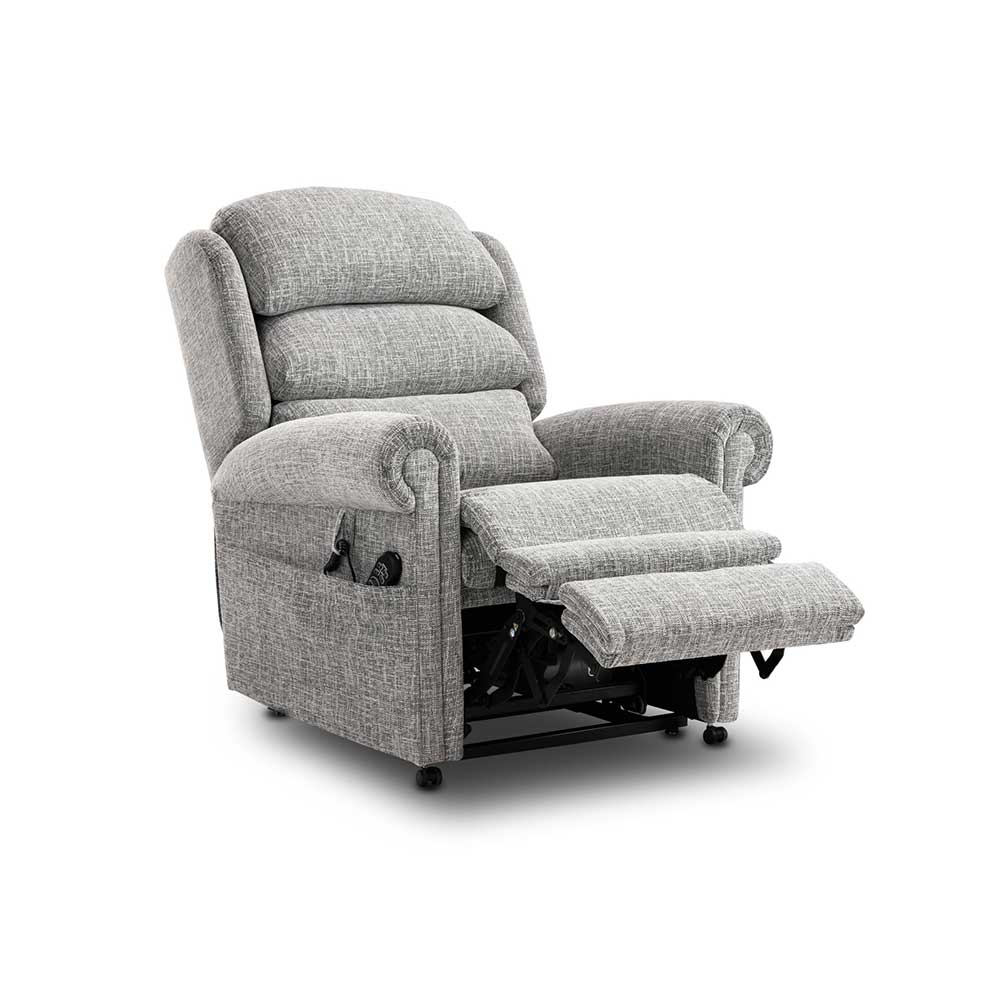
Riser Recliners
-
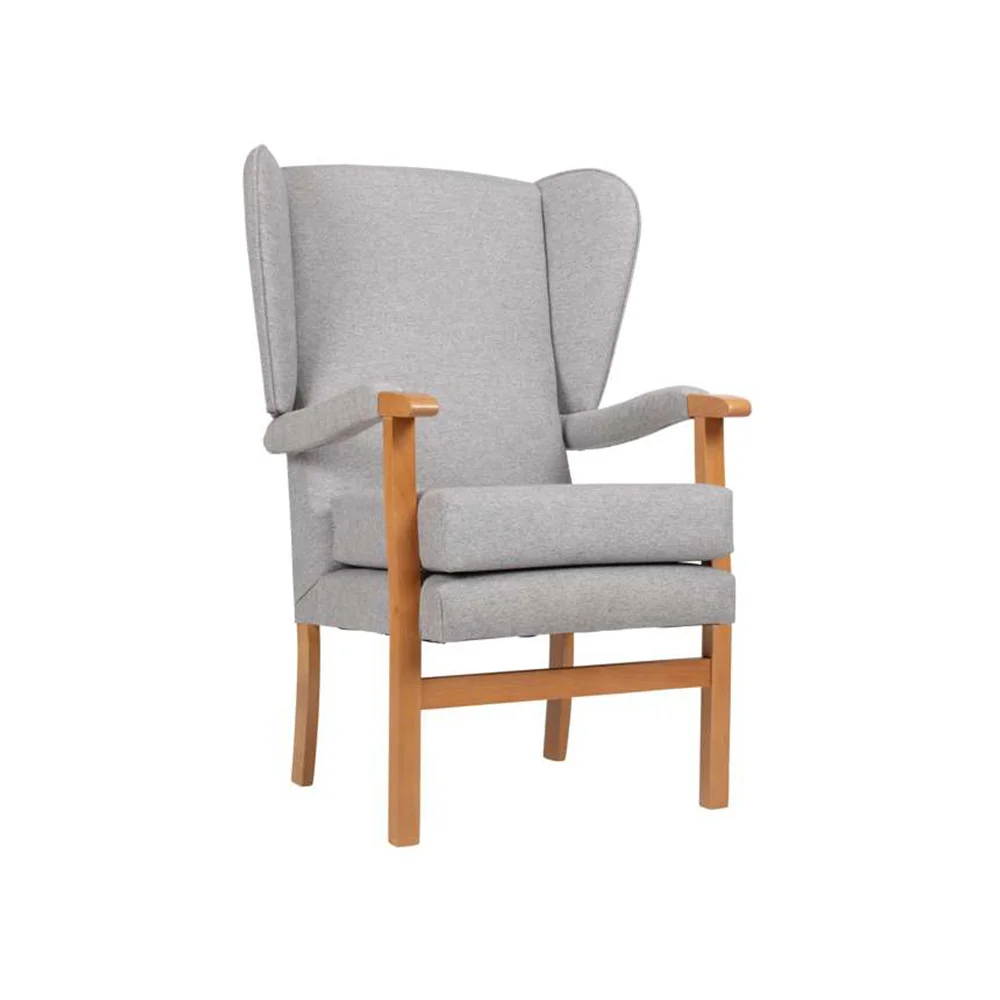
Fireside Chairs
-
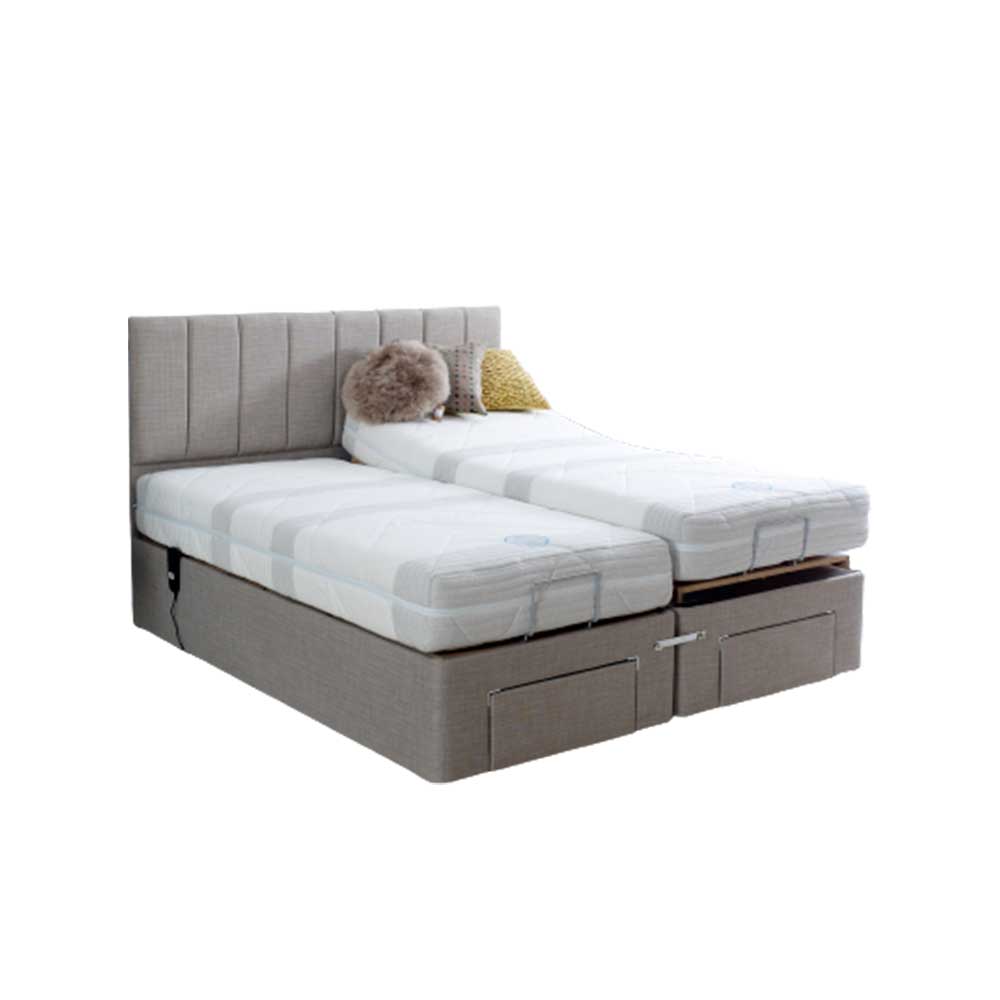
Adjustable Beds
-
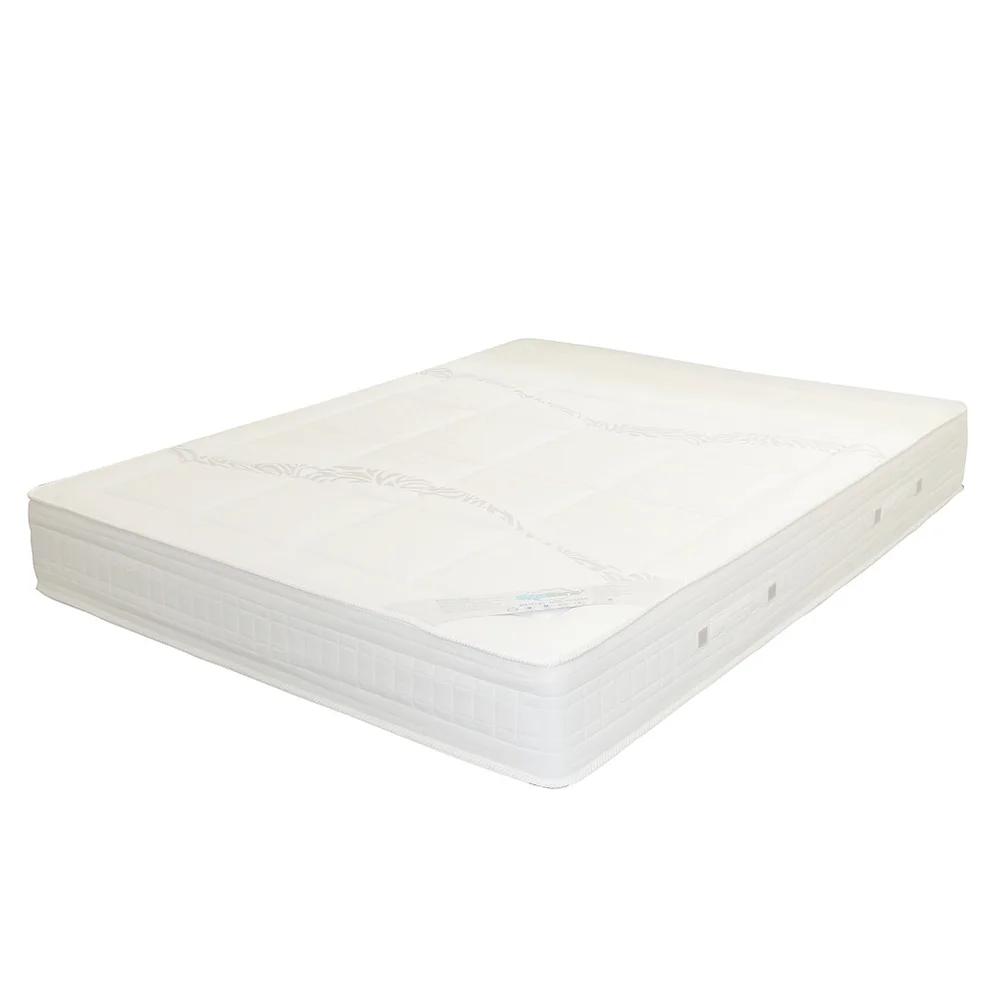
Mattresses
-
-
- Stairlifts
-


Showing all 3 results
Ziggy Walking Sticks & Canes
Ziggy walking sticks and canes provide practical everyday support in a choice of adjustable, folding and multi-point designs. At Modern Mobility, the Ziggy range includes traditional crook-handle sticks, compact tribase walking sticks and quad offset canes for users who want greater stability, easier storage or a more supportive base.
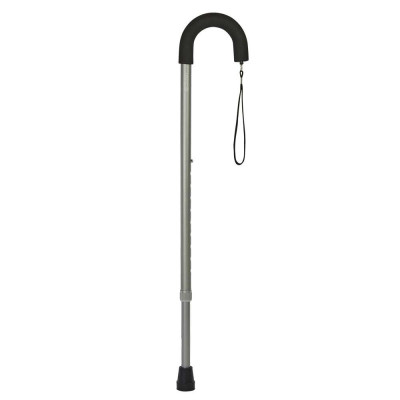
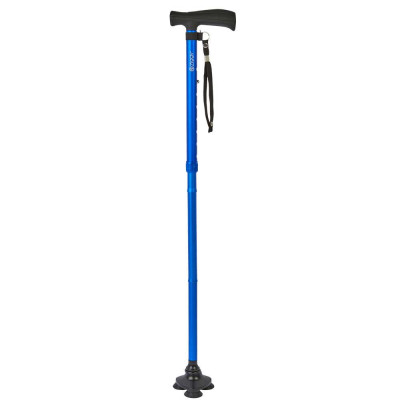
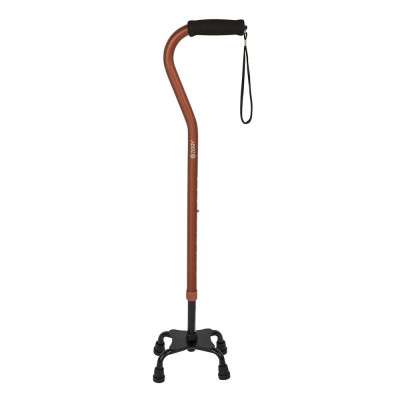
Ziggy Walking Sticks for Everyday Support
Ziggy walking sticks are designed to provide additional balance and stability during everyday movement. The current range includes adjustable walking sticks, folding designs and multi-point canes for users with different support and portability needs.
Ziggy walking aids available may include:
- Adjustable crook-handle walking sticks
- Folding tribase walking sticks
- Quad-base offset canes
- Different colours and finishes
- Height-adjustable options for a more suitable fit
Ziggy Adjustable Walking Sticks
An adjustable walking stick allows the handle height to be changed to better suit the user. Correct height is important because a stick that is too high or too low can feel uncomfortable and may not provide effective support.
The Ziggy Crook Adjustable Walking Stick uses a traditional curved handle and may suit users looking for straightforward support during everyday walking.
Before choosing an adjustable stick, check:
- The available height adjustment range
- Handle shape and grip comfort
- Maximum user weight
- Ferrule condition and size
- Whether the user needs light balance support or greater stability
Ziggy Folding Walking Sticks
A folding walking stick can be collapsed into a smaller size when it is not needed, making it easier to store in a bag, car or cupboard.
The Ziggy Tribase Folding Walking Stick combines a folding shaft with a compact multi-point base. This may provide more ground contact than a standard single-tip stick while remaining easier to store than many larger walking aids.
Always make sure each section is fully locked into position before use.
Ziggy Tribase and Quad Canes
Tribase and quad canes use several contact points at the base instead of one standard ferrule. This can provide a broader support area for users who need more stability than a conventional walking stick offers.
- Tribase sticks use a compact three-point base
- Quad canes use a wider four-point base for additional ground contact
The Ziggy Quad Offset Cane combines an offset handle with a four-point base. The wider base may offer increased stability, although it is heavier and less compact than a standard walking stick.
Which Ziggy Walking Stick Is Right for You?
The right option depends on the amount of support required and how the stick will be used.
- Choose an adjustable crook stick for simple, traditional walking support
- Choose a folding tribase stick if portability and additional ground contact are both important
- Choose a quad cane where a broader base and greater stability are needed
A walking stick is generally designed for light to moderate support. If the user needs to place significant weight through the aid or requires support on both sides, a walking frame, tri-walker or rollator may be more suitable.
Checking Walking Stick Height and Fit
When standing upright with the arms relaxed, the walking stick handle should generally sit around wrist-crease height. The elbow should remain slightly bent when holding the stick.
Individual needs vary, so users with significant balance problems, pain, weakness or recovery needs may benefit from advice from a physiotherapist or other healthcare professional.
Also check:
- The stick feels stable on the usual flooring or outdoor surface
- The handle is comfortable to grip
- The adjustment mechanism is secure
- The ferrule is not worn or damaged
- The base does not create a trip hazard during movement
Using a Walking Stick Safely
A walking stick should normally be held on the side opposite the weaker or affected leg, unless a healthcare professional has advised otherwise.
Check the ferrule regularly and replace it if the tread becomes worn, cracked or loose. Folding sticks should also be inspected to make sure the joints, cord and locking sections remain secure.
You may also find it useful to browse walking sticks and canes, walking aids, tri-walkers, rollators, replacement ferrules or mobility accessories.
Ziggy Walking Stick FAQs
Ziggy walking sticks vary by handle design, folding mechanism and base size.
What walking aids does Ziggy make?
The current Ziggy range includes adjustable walking sticks, folding tribase sticks and quad-base canes.
Are Ziggy walking sticks height adjustable?
Selected Ziggy walking sticks and canes are height adjustable. Check the individual product specification and adjustment range before ordering.
What is a tribase walking stick?
A tribase walking stick has three contact points at the base, providing a broader support area than a standard single-tip stick.
What is a quad cane?
A quad cane has four feet at its base. It is designed to provide increased ground contact and stability compared with a standard walking stick.
Are Ziggy walking sticks foldable?
Selected models, including the Ziggy Tribase Folding Walking Stick, can be folded for easier storage and transport.
How high should a walking stick be?
The handle should generally sit around wrist-crease height when the user stands upright with their arms relaxed, although individual requirements can vary.
Which side should I use a walking stick on?
A walking stick is commonly held on the opposite side to the weaker or affected leg, unless a healthcare professional has provided different advice.
Is a quad cane better than a normal walking stick?
A quad cane provides a wider support base, but it is also heavier and less compact. The best option depends on the user’s balance, strength and walking pattern.
Can I replace the ferrule on a Ziggy walking stick?
Replacement ferrules may be available, but the correct size must be confirmed before fitting.