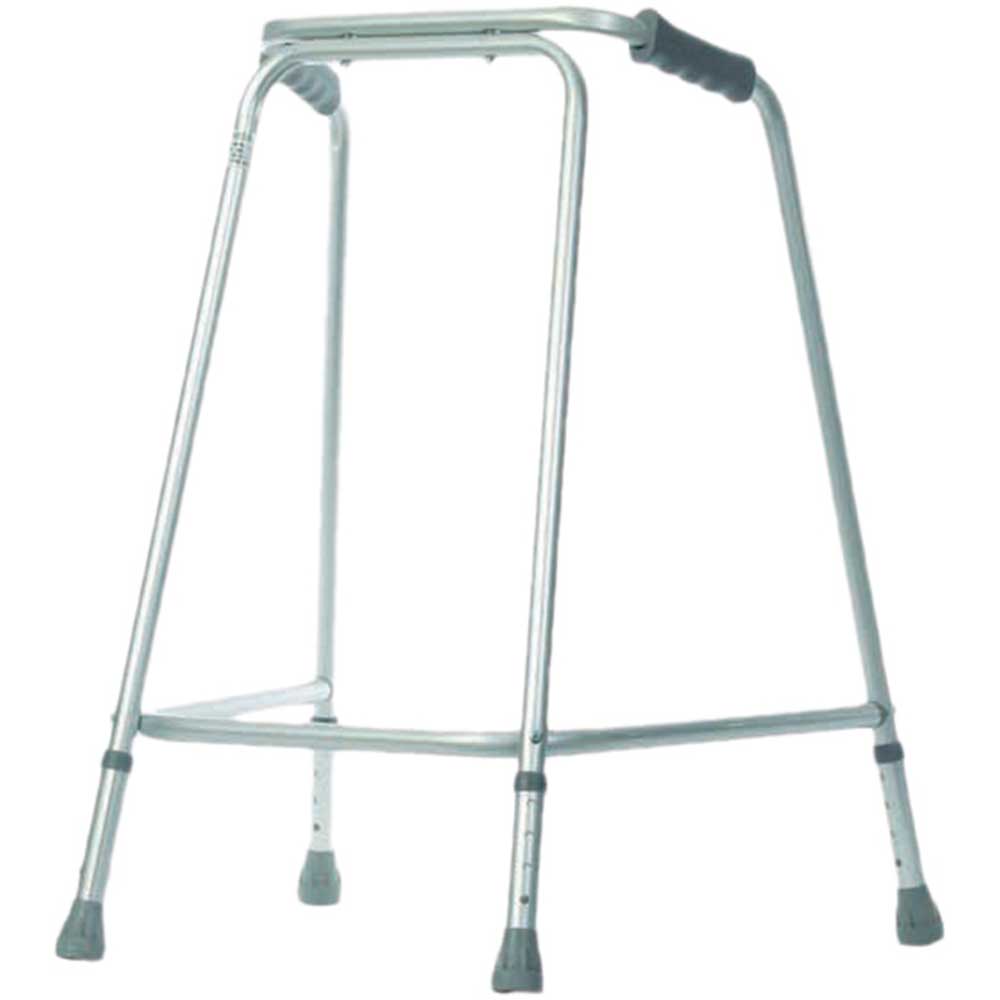
Simple, stable walking support without wheels. This lightweight aluminium walking frame is designed for users who benefit from a more stable walking aid that is lifted and repositioned between steps rather than rolled forwards.
Lightweight Walking Frame Without Wheels
This non-wheeled walking frame combines a lightweight 2kg aluminium construction with a wide, stable base and four non-slip rubber ferrules. It is designed to provide additional support while standing and walking and may also be suitable for rehabilitation use where a healthcare professional has recommended a walking frame.
Unlike a wheeled walker, the frame is lifted slightly and repositioned forwards before each step. This can make a walking frame without wheels a useful option for users who prefer the additional stability of four fixed contact points with the floor.
Just 2kg
Lightweight aluminium construction
Up to 180kg
28 stone maximum user weight
3 Sizes
Small, Medium and Large
Why Choose a Non-Wheeled Walking Frame?
A walking frame without wheels provides a different type of support from a rollator or wheeled walking frame. All four legs remain in contact with the ground when stationary, while the frame is repositioned forwards as the user walks.
| Feature | Why It Matters |
| Four fixed legs | Provides stable support while standing and between steps |
| Lightweight aluminium frame | Weighs approximately 2kg, helping make repositioning more manageable |
| Height adjustable | Allows the frame to be set more appropriately for the user’s height and posture |
| Ergonomic handgrips | Provides a comfortable area to hold while walking |
| Non-slip rubber ferrules | Help provide grip on suitable firm, level surfaces |
| Wide base | Designed to provide dependable everyday stability |
Available in Small, Medium and Large
The frame is available in three adult sizes, allowing the handgrip height to be matched more closely to the user. Small adjusts from approximately 660–780mm, Medium from 770–870mm and Large from 860–960mm.
Correct sizing is important. A frame that is too high or too low can affect posture and make walking less comfortable, so compare the measurements in the Specs tab before ordering.
Walking Frame With or Without Wheels?
If you prefer a walking frame that can be pushed forwards rather than lifted and repositioned between steps, compare the Lightweight Walking Frame With Wheels.
A non-wheeled frame may provide greater stationary stability for some users, while front wheels can make continuous forward movement easier for others. The most appropriate option depends on balance, strength, walking pattern and individual support requirements.
Important: If you are unsure whether a wheeled or non-wheeled walking frame is suitable, seek advice from an appropriate healthcare professional before use.
Walking Frame Specifications
Compare the three adult frame sizes below. All versions weigh approximately 2kg and support a maximum user weight of 180kg / 28 stone.
| Specification | Small | Medium | Large |
| Product Code | VP180S | VP122 | VP123 |
| Handgrip Height | 660–780mm | 770–870mm | 860–960mm |
| Overall Width | 620mm | 620mm | 645mm |
| Overall Depth | 500mm | 500mm | 500mm |
| Product Weight | 2kg | 2kg | 2kg |
| Maximum User Weight | 180kg / 28 stone |
| Frame Material | Aluminium |
| Configuration | Non-wheeled, non-folding walking frame |
| Feet | Non-slip rubber ferrules |
| Height Adjustment | Adjustable extension legs |
Choosing the correct sizeThe walking frame should be adjusted to suit the individual user, with all four legs set to exactly the same height. If you are unsure which size or adjustment is appropriate, seek advice from an appropriate healthcare professional.
Measurements are supplied by the manufacturer and may be subject to normal manufacturing tolerances.
Using the Walking Frame Safely
Before each use, check that the walking frame is stable, undamaged and correctly adjusted. All four legs must be set to the same height and the rubber ferrules should be secure and in good condition.
Adjusting the Height
Correct adjustment helps the frame provide appropriate walking support.
1. Remove the E-clip from each extension leg.
2. Adjust the legs evenly to the required height.
3. Do not extend any leg beyond the final adjustment hole.
4. Refit each E-clip through the selected adjustment hole.
5. Make sure every clip fits securely around the outer leg.
6. Check that all four legs are set to exactly the same height before use.
How to Walk With a Walking Frame Without Wheels
A non-wheeled frame is moved differently from a rollator or wheeled walking frame. Hold both handgrips securely, slightly lift the frame and reposition it a short distance in front of you. Once all four feet are stable on the floor, step forwards into the frame before repeating the process.Do not place the frame too far ahead, as this can encourage excessive reaching or leaning.
Important: The manufacturer states that the frame should only be used on firm, level ground. Do not use a walking frame to negotiate steps or stairs.
Getting Into and Out of a Chair
Do not pull yourself into a standing position using the walking frame. It is a walking aid rather than a transfer aid.
To stand, position the frame in front of the chair and push yourself up using the chair arms. Transfer your hands to the frame only once you are fully standing.
When sitting down, walk backwards until you can feel the chair behind your legs, transfer your hands to the chair arms and lower yourself gently.
Before Each Use
Check the following:
• The aluminium frame is not bent, cracked or damaged.
• All fixings are secure.
• The handgrips are firmly attached.
• The adjustment clips are securely located.
• All four legs are adjusted evenly.
• The rubber ferrules are not excessively worn or damaged.
Cleaning and Maintenance
Clean the walking frame using a soft cloth with mild detergent or a non-abrasive cleaner. Avoid abrasive pads, abrasive cleaning products or harsh limescale removers that could damage the frame.If the frame, handgrips, ferrules or adjustment components show signs of significant damage or excessive wear, stop using the walking frame until it has been checked or the affected parts have been replaced.
Visit a Modern Mobility store if you would like help choosing or adjusting a walking frame to suit your requirements.
Walking Frame FAQs
Answers to common questions about non-wheeled walking frames, sizing and everyday use.
What is a walking frame without wheels?
A walking frame without wheels is a four-legged mobility aid that provides stable support while standing and walking. Rather than rolling forwards, the frame is lifted slightly, repositioned ahead of the user and placed securely on the floor before taking the next steps.
What is the difference between a walking frame with and without wheels?
A non-wheeled walking frame has four fixed feet and is lifted between steps. A wheeled walking frame has front wheels that allow it to move forwards more continuously. Which type is most suitable depends on the user's balance, strength, walking pattern and support requirements.
How do you walk with a walker without wheels?
Hold both handgrips, lift the frame slightly and place it a short distance in front of you. Make sure all four feet are securely positioned on firm, level ground before stepping forwards into the frame.
How much does this lightweight walking frame weigh?
The Small, Medium and Large versions each weigh approximately 2kg.
What is the maximum user weight?
The manufacturer specifies a maximum safe working load of 180kg / 28 stone for the standard non-wheeled walking frames.
What size walking frame should I choose?
The frame is available in Small, Medium and Large, with different handgrip-height ranges. Choose a frame that allows the handles to be adjusted comfortably for your height and posture. If you are unsure which size is suitable, seek advice from an appropriate healthcare professional.
Does this walking frame fold?
No. This is a non-folding aluminium walking frame.
Does this walking frame have a seat?
No. This model is a standard four-legged walking frame without a seat.
Can this walking frame be used outside?
The manufacturer states that the walking frame should only be used on firm, level ground. Avoid wet or slippery surfaces and do not use the frame to negotiate steps or stairs.
Can I add a bag to the walking frame?
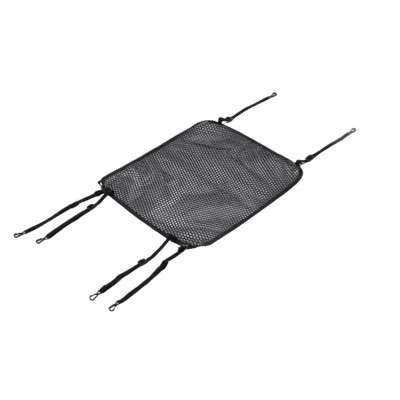
Compatible accessories may be available, including the Walking Frame Net Bag. Any bag or accessory should be fitted securely and must not be overloaded.
Reviews
There are no reviews yet.