
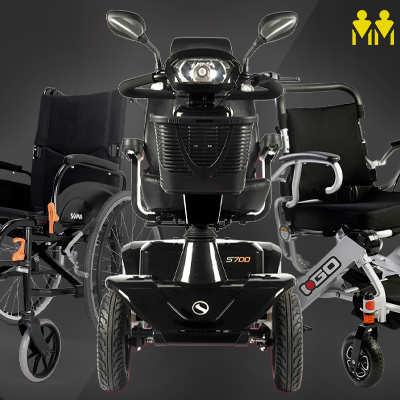
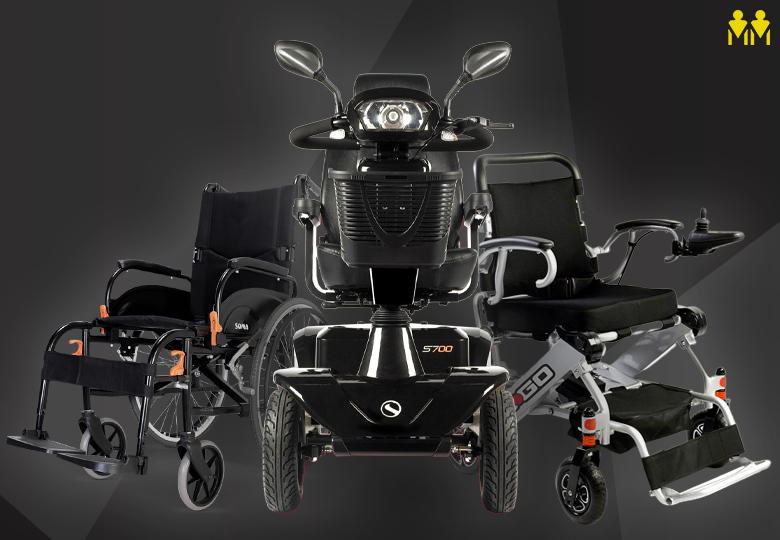
If you have an old mobility scooter, wheelchair or other mobility aid that is no longer needed, the right next step depends on who owns it, whether it remains safe to use and whether it still has any resale value.
A privately owned scooter may be suitable for resale, donation or part exchange. Equipment supplied on loan should normally be returned to the organisation that provided it, while mobility equipment that is damaged or no longer safe to use should be recycled or disposed of through an appropriate local service.
These are questions our administration team hears regularly. This guide explains the main UK options, what to check before passing equipment to somebody else and when Modern Mobility may be able to help.
Old Mobility Equipment Guide
Quick Answer
If you own the mobility scooter or mobility aid outright and it remains safe and usable, you may be able to sell it, donate it or ask a mobility retailer about part exchange. Loaned equipment should usually be returned to its provider. Equipment that is no longer suitable for reuse should be recycled safely in accordance with local guidance.
| Your situation | A suitable next step |
|---|---|
| The scooter is privately owned and works safely | Consider selling it, donating it or asking about part exchange |
| You are replacing it with another scooter | Ask a mobility retailer whether it may qualify for purchase or part exchange |
| It was supplied by the NHS, a local authority or another service | Contact the original provider and ask how it should be returned |
| It is leased through the Motability Scheme | Arrange its return through the Scheme and the supplying dealer |
| It is damaged, unsafe or beyond economical repair | Check local council or recycling-centre arrangements for the scooter and its battery |
| Ownership or outstanding finance is unclear | Confirm ownership before selling, donating or disposing of the equipment |
How Can You Get Rid of an Old Mobility Scooter?
There is no single disposal route that is right for every mobility scooter. A newer scooter in safe working order may still be useful to another person, while an older model with serious electrical, battery or structural problems may be more suitable for recycling.
The main options are:
- Sell itAdvertise a privately owned scooter through a suitable marketplace or local group.
- Donate itAsk a charity or community organisation whether it accepts safe, usable mobility equipment.
- Part exchange itAsk whether a mobility retailer will value it against a replacement product.
- Return itGive loaned or leased equipment back through the organisation that supplied it.
- Recycle itUse an appropriate local recycling or collection service when the equipment is no longer reusable.
The scooter's make, model, age, physical condition, service history, battery health and local demand will all affect which route is most practical.
Before You Sell, Donate or Dispose of Mobility Equipment
Before making arrangements, establish whether you have the legal right to pass the equipment on and whether it is safe for another person to use.
Confirm ownership
Check that the product is not rented, loaned, leased through Motability or subject to outstanding finance.
Consider future need
If circumstances may change, consider whether the user or somebody close to them could need the equipment again.
Assess its condition
Look for known faults, accident damage, worn tyres, braking problems and signs that the battery no longer performs reliably.
Gather the accessories
Locate the charger, keys, spare keys, manual, service records and any removable parts supplied with the product.
Plan safe collection
Large scooters and powered wheelchairs can be heavy. Confirm access, loading requirements and who will transport the item.
Be honest about faults
If you sell or donate the equipment, clearly explain any known issues so the next owner can make an informed decision.
Important: If you are acting for a relative, somebody who has moved into care or a person who has died, make sure you have authority to deal with the equipment before advertising, donating or disposing of it.
Will Modern Mobility Buy My Old Mobility Scooter?
Modern Mobility may consider buying selected used mobility scooters and powerchairs. However, the team cannot purchase every mobility aid offered.
Whether a product may be suitable will depend on factors such as:
- The make and model
- Its age and overall condition
- Battery condition
- Service history and known faults
- Current demand and stock requirements
Before bringing the equipment to a store, contact Modern Mobility with the make, model, approximate age, condition and clear photographs. The team can then advise whether it is something they may be able to consider.
If Modern Mobility originally supplied the equipment and it still has a company sticker attached, the contact details on that sticker may also help you identify where to start.
How Can You Sell a Used Mobility Scooter?
Private resale may give you the best chance of recovering some of the original purchase cost, although it can take more time and effort than part exchange or selling to a specialist.
People often advertise privately owned mobility scooters through online marketplaces, auction websites and local community or carer groups. The best option will depend on the scooter, your location and whether you are willing to arrange viewings or collection.
What should you include in the advert?
- The make, model and approximate age
- Clear photographs from several angles
- Its working condition and any known faults
- What you know about the battery and charging performance
- Service history and any recent repairs
- Whether the charger, keys, manual and accessories are included
- The scooter's dimensions and weight if available
- Whether collection is required and what access is available
Avoid claiming that the scooter has a particular battery range unless this has been properly verified. Actual range can vary with battery condition, user weight, terrain, temperature and how the scooter is driven.
Private-sale safety: Protect personal information, use the marketplace's usual payment and messaging safeguards, and do not allow an unfamiliar buyer to test-drive the scooter unsupervised.
Can You Donate a Mobility Scooter?
You may be able to donate a mobility scooter or other mobility aid if you own it outright and it is safe for somebody else to use. Charities supporting older people, disabled people or local communities may accept suitable equipment, but acceptance varies.
Before taking the item anywhere, contact the organisation and ask:
- Whether it currently accepts mobility scooters or powered mobility equipment
- What condition the equipment must be in
- Whether it needs proof of ownership or service records
- Whether the charger, keys and manual must be included
- Whether it can collect the item or expects you to deliver it
- Whether it can accept the scooter's particular battery type
A charity shop should not be assumed to accept a large electrical mobility product simply because it receives general household donations. Storage, transport, safety checks and resale policies may all affect what it can take.
Can You Part Exchange an Old Mobility Scooter?
If you are replacing an old scooter with a model better suited to your changing needs, part exchange may be more convenient than arranging a private sale.
A mobility retailer may inspect the scooter, estimate its value and agree to offset that amount against the cost of a replacement. However, not every retailer offers part exchange and not every scooter will qualify.
The valuation may depend on the model, age, cosmetic and mechanical condition, battery health, service history, accessories and how easily the scooter could be prepared for resale.
Part exchange may suit you if:
- You are already planning to buy a replacement mobility scooter
- You would prefer one retailer to manage the old and new products
- You do not want to advertise the scooter or arrange private viewings
- You understand that convenience may matter more than achieving the highest possible private-sale price
Speak to Modern Mobility before transporting your scooter to a store. The team can advise what information is needed and whether purchase or part exchange may be possible.
What Should You Do With NHS, Motability or Other Loaned Equipment?
Do not sell, donate or dispose of equipment that you do not own.
NHS and local equipment services
If a wheelchair, walking frame, crutch or other mobility aid was supplied on loan by the NHS, a local authority or a community equipment service, contact the provider named on the equipment or your paperwork. Return routes differ between areas, and equipment should only be taken to an approved return point.
NHS England advises that walking aids such as sticks, frames, rollators and crutches can often be assessed, cleaned, refurbished and reused. You can check your local NHS trust website or use an identified return location rather than leaving equipment at an unapproved site. Read NHS England's walking-aid reuse guidance.
Motability Scheme scooters and powered wheelchairs
A scooter or powered wheelchair obtained through the Motability Scheme is leased rather than owned outright. At the end of the lease, it must be returned to the dealer with its documents, manual, keys and charging unit. Check the Motability Scheme's current return guidance.
Rental or financed equipment
If the item is rented or subject to a finance agreement, check the agreement or contact the provider before making arrangements. The provider can confirm who owns it, whether any balance remains and what return process applies.
How Do You Recycle or Scrap a Mobility Scooter?
If a mobility scooter is no longer safe, reusable or economical to repair, recycling may be the most appropriate option. Mobility scooters contain electrical components, metal, plastics and batteries that should be handled through suitable waste and recycling routes.
UK Government guidance says unwanted batteries and electrical products should not be placed in household rubbish. They should be taken to an appropriate collection point for recycling. Read the Government's electrical and battery recycling guidance.
Before moving or dismantling the scooter:
- Ask whether your local household waste recycling centre accepts complete mobility scooters
- Check whether the battery must be handled separately
- Tell the service if the battery is damaged, leaking, swollen or unusually hot
- Do not assume a general scrap collector can accept electrical components or batteries
- Ask about bulky-waste collection if you cannot transport the scooter safely
- Avoid dismantling a damaged battery yourself
There is no standard scrap value for a mobility scooter. Any return will depend on its materials, condition, battery, local scrap prices and whether collection or handling charges apply. If the scooter still works safely, resale, donation or part exchange may offer more value than scrapping it.
Local recycling guidance near Modern Mobility stores
Acceptance rules and collection services can change, so check the relevant council website or contact the recycling centre before travelling:
- Blackburn: Blackburn with Darwen Borough Council recycling guidance
- Clitheroe and Chorley: Lancashire County Council recycling guidance
- Leicester: Leicester City Council recycling guidance
What About Old Wheelchairs and Other Mobility Aids?
The same ownership and safety checks apply to wheelchairs, walking aids, powerchairs and many daily living aids, but the available routes may differ by product.
| Equipment | What to consider |
|---|---|
| Manual wheelchair | Ownership, frame condition, brakes, tyres, cushions and whether it was individually prescribed |
| Powered wheelchair or powerchair | Ownership, electronics, batteries, charger, seating setup and whether specialist reassessment is needed |
| Walking frame, rollator or crutches | Whether the item belongs to an NHS or local reuse scheme and where its approved return point is |
| Small daily living aid | Hygiene, condition, product-specific safety and whether a charity can accept used personal equipment |
Some equipment is adjusted or prescribed for a particular user's needs. A new user may require professional advice before using it, particularly where posture, pressure care, complex seating or powered controls are involved.
Out With the Old, In With the New?
If you are getting rid of an old mobility scooter or mobility aid because your needs have changed, choosing the replacement should come before deciding what to do with the old equipment.
Consider the journeys you make, where the product will be stored, whether it needs to fit into a car, seating comfort, maximum user weight, battery range and the level of support you need.
Modern Mobility can help you compare new and Approved Used mobility scooters, powerchairs and wheelchairs. If you are replacing an existing scooter or powerchair, ask the team whether purchase or part exchange may be available before making separate disposal arrangements.
Frequently Asked Questions
Frequently Asked Questions
Below are answers to some of the questions Modern Mobility is asked most often about unwanted scooters and mobility equipment.
Who takes old mobility scooters?
Depending on ownership and condition, an old mobility scooter may be taken by a private buyer, suitable charity, mobility retailer offering purchase or part exchange, the organisation that supplied it, or an appropriate recycling service. Contact the organisation first rather than transporting the scooter without confirming acceptance.
Where is the best place to sell a mobility scooter?
There is no single best place for every scooter. A private marketplace may give you access to more buyers and potentially a higher price, while selling to a specialist or using part exchange may be quicker and involve less work. Compare likely value, convenience, transport and the checks included.
What charities take mobility scooters?
Some charities and community organisations accept safe, working mobility scooters, but policies vary by location, storage space, battery type and the organisation's ability to inspect or transport the equipment. Contact local disability, older-person or community charities directly and explain the scooter's make, condition and accessories.
Can I get money for scrapping a mobility scooter?
Possibly, but there is no guaranteed or standard mobility scooter scrap value. The amount depends on the recoverable materials, battery, local scrap prices and any collection or processing charges. Check that a collector is willing and able to handle the electrical components and battery appropriately.
What should I do with a mobility scooter after somebody dies?
First establish whether the scooter was privately owned, financed, rented or leased. If you have authority to deal with a privately owned scooter, assess its condition and consider sale, donation, part exchange or recycling. Loaned, financed or Motability equipment should be dealt with through the relevant provider.
Does the NHS take back old mobility equipment?
Local NHS trusts and community equipment services may operate return and reuse schemes, particularly for walking aids such as crutches, sticks, frames and rollators. Arrangements vary, so check the provider's label, your paperwork or the local NHS trust website for an approved return point.
Do not leave equipment at a hospital, clinic or charity unless that location has confirmed it accepts returns.
Can Modern Mobility collect my old scooter?
Collection should not be assumed. Contact Modern Mobility with the scooter's make, model, age, condition, location and photographs. The team can confirm whether the product may be considered and what arrangements, if any, are available.
Need Help With an Old or Replacement Mobility Scooter?
If you would like Modern Mobility to consider a used mobility scooter or powerchair, contact the team before bringing it to a store. Include the make, model, approximate age, location, condition and photographs where possible.
Contact Modern Mobility to ask whether purchase or part exchange may be possible, or browse the latest range of Approved Used mobility scooters.
Is Financing a Used Mobility Scooter Worth It?
Is it safe to buy a used mobility scooter? Learn...
Read More
How Long Do Used Mobility Scooter Batteries Last?
How long will a used mobility scooter battery last? Learn...
Read More
Is It Safe to Buy a Used Mobility Scooter?
Is it safe to buy a used mobility scooter? Learn...
Read More
Do Used Mobility Scooters Come With a Warranty?
Used mobility scooters do not always include a warranty. Learn...
Read More